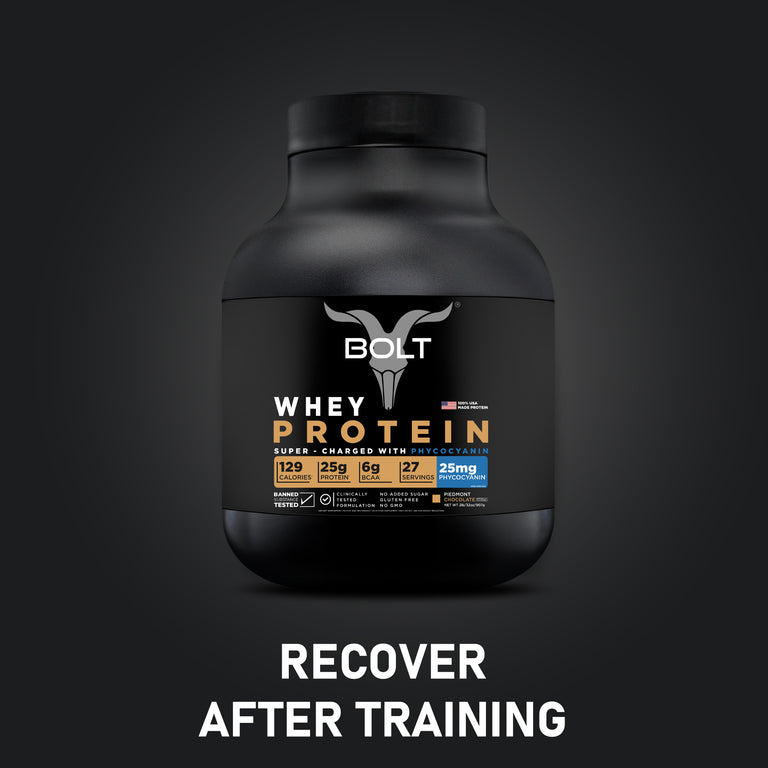





Common Whey Protein Mistakes That Kill Your Results
byWhey protein is one of the most effective supplements for muscle growth, fat loss, and recovery. Yet, many people fail to see results not because whey protein doesn’t work, but because they are using it the wrong way.
If you’re consuming whey protein regularly but still struggling with muscle gain, fat loss, or recovery, chances are you’re making one or more of these common whey protein mistakes. Let’s break them down and fix them once and for all.
Mistake 1: Treating Whey Protein as a Meal Replacement
One of the biggest whey protein mistakes is assuming that whey can replace proper meals.
Whey protein is a supplement, not a complete food. It lacks sufficient carbohydrates, fats, fiber, vitamins, and minerals required for overall health. Replacing meals with whey protein alone can lead to poor energy levels, stalled progress, and nutrient deficiencies.
Correct approach:
Use whey protein to support your daily protein intake, not replace whole foods like dal, eggs, roti, rice, fruits, and vegetables.
Mistake 2: Taking Whey Protein Without Strength Training
Many people consume whey protein hoping it will magically build muscle. Unfortunately, protein alone does nothing without resistance training.
Muscle growth happens only when:
-
Muscles are trained with weights
-
Muscle fibres can be repaired and rebuilt using protein.
Correct approach:
Combine whey protein with regular strength training (gym, home workouts, resistance bands).
Mistake 3: Overconsumption of Whey Protein
More protein does not mean more muscle.
Excessive whey protein intake:
-
Does not increase muscle growth
-
Can cause bloating, digestion issues
-
Adds unnecessary calories
Correct protein intake guideline:
-
General fitness: 0.8–1 g per kg body weight
-
Muscle building: 1.6–2.2 g per kg body weight
-
Whey should cover only a portion of this intake
Mistake 4: Selecting the Incorrect Whey Protein Type
Not all whey proteins are the same. Many people randomly buy the cheapest option without understanding their needs.
Common mistakes:
-
Using whey concentrate despite lactose intolerance
-
Using isolate when calories are not a concern
-
Ignoring ingredient quality and amino acid profile
Correct approach:
-
Whey Concentrate (WPC): Best for beginners & bulking
-
Whey Isolate: Best for fat loss & lactose sensitivity
-
Hydrolyzed Whey: Faster digestion, premium use
Mistake 5: Ignoring Timing Completely
While protein timing isn’t everything, completely ignoring it can reduce benefits.
Common errors:
-
Skipping protein post-workout
-
Taking whey randomly without daily protein balance
Best times to take whey protein:
-
Post-workout (most effective)
-
Morning (if dietary protein is low)
-
Between meals (to meet daily protein targets)
Consistency matters more than exact timing.
Mistake 6: Mixing Whey Protein With Sugary or High-Calorie Additives
Adding sugar, syrups, ice creams, or sweetened milk turns a healthy protein shake into a calorie bomb.
This mistake is common among people trying to lose fat.
Correct approach:
-
Use water or low-fat milk
-
Add fruits like banana or berries (if needed)
-
Avoid unnecessary sugars
Mistake 7: Expecting Instant Results
Many users quit whey protein within weeks because they don’t see immediate changes.
Muscle building and fat loss require:
-
Consistent training
-
Proper nutrition
-
Adequate sleep
-
Patience
Correct mindset:
Whey protein supports progress — it does not replace discipline.
Mistake 8: Poor Hydration While Using Whey Protein
Protein metabolism requires water. Low water intake while consuming high protein can cause:
-
Digestive discomfort
-
Fatigue
-
Poor recovery
Correct approach:
Drink 2.5–3.5 liters of water daily, especially if consuming protein supplements.
Mistake 9: Ignoring Quality & Authenticity
Fake or low-quality whey protein is a serious issue in the market. Such products may:
-
Contain less protein than claimed
-
Be spiked with amino acids
-
Cause digestion issues
Correct approach:
-
Choose reputed brands
-
Check lab tests & certifications
-
Avoid unrealistically cheap products
Mistake 10: Thinking Whey Protein Is Real Is Exclusive to Bodybuilders
This myth stops many people from using whey protein effectively.
Whey protein is beneficial for:
-
Men & women
-
Beginners & advanced athletes
-
Weight loss & muscle toning
-
Recovery & daily nutrition
Protein is a nutrient, not a steroid.
Conclusion
Whey protein is extremely effective when used correctly.
Avoid these common mistakes, focus on training, nutrition, and consistency, and whey protein will support your fitness goals the way it’s meant to.
