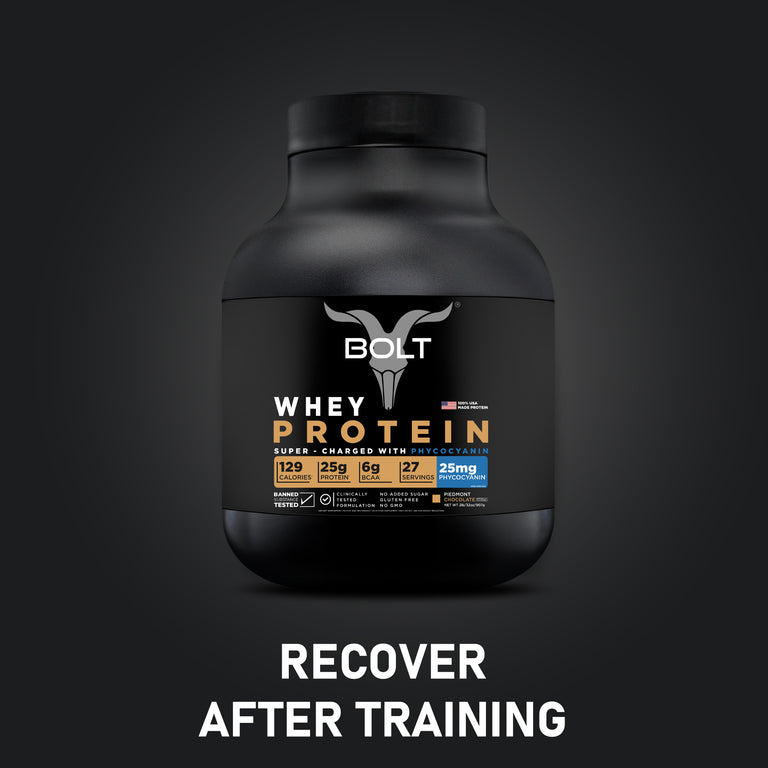





Fermented Yeast Protein vs Whey Protein: Which Is Better for Muscle Growth?
byFor years, whey protein has dominated the fitness industry. But now, a new contender is gaining attention Fermented Yeast Protein.
Many athletes and fitness enthusiasts are asking:
-
Is yeast protein as effective as whey?
-
Which builds muscle better?
-
Which digests easier?
-
Is plant-based protein finally matching whey performance?
Let’s break this down scientifically and practically.
What Is Whey Protein?
Whey protein is derived from milk during the cheese-making process.
It is considered a “complete protein” because it contains all nine essential amino acids.
Why Whey Became Popular:
-
High leucine content
-
Fast absorption
-
Strong muscle protein synthesis stimulation
-
Extensive scientific backing
Whey is especially effective post-workout due to its rapid digestion.
What Is Fermented Yeast Protein?
Fermented yeast protein is produced using controlled fermentation processes where yeast strains produce protein-rich biomass.
Unlike traditional plant proteins (like pea or soy), fermented protein:
-
Has a complete amino acid profile
-
Is dairy-free
-
Is created using biotechnology
-
Offers high digestibility
It is often positioned as a next-generation sustainable protein.
Amino Acid Profile Comparison
Muscle growth depends heavily on essential amino acids — especially leucine.
Whey Protein:
-
Very high leucine
-
Excellent BCAA profile
-
Strong muscle protein synthesis trigger
Fermented Yeast Protein:
-
Complete amino acid profile
-
Competitive BCAA levels
-
Slightly lower leucine compared to whey
Whey may have a slight edge in immediate anabolic response due to higher leucine concentration.
However, yeast protein still qualifies as a complete muscle-supporting protein.
Digestibility & Gut Comfort
This is where differences become noticeable.
Whey Protein
Pros:
-
Fast digestion
-
Efficient absorption
Cons:
-
May cause bloating (lactose sensitive individuals)
-
Not suitable for dairy allergies
Fermented Yeast Protein
Pros:
-
Dairy-free
-
Often easier on digestion
-
Suitable for lactose intolerance
-
May support better gut tolerance
For individuals with digestive discomfort from whey, fermented yeast protein may be a better option.
Muscle Growth: Which Is Better?
Short answer:
Both can support muscle growth effectively.
Whey Protein:
-
Rapid amino acid spike
-
Strong post-workout recovery
-
Proven hypertrophy support
Fermented Yeast Protein:
-
Sustained amino acid availability
-
Comparable muscle recovery support
-
Suitable for long-term plant-based nutrition
If maximizing rapid muscle protein synthesis is the priority, whey has a slight performance advantage.
If sustainability, digestion, and plant-based lifestyle matter, yeast protein becomes very attractive.
Performance & Strength Support
Protein supports recovery — not direct strength gains.
Strength improvements depend more on:
-
Creatine
-
Training intensity
-
Progressive overload
Both whey and yeast protein support recovery, which indirectly enhances performance.
Sustainability & Environmental Impact
This is a major differentiator.
Whey Protein:
-
Dairy-based
-
Dependent on livestock farming
-
Higher environmental footprint
Fermented Yeast Protein:
-
Produced via controlled fermentation
-
Lower land and water usage
-
More sustainable production process
For environmentally conscious consumers, yeast protein has an advantage.
Absorption Speed
Whey:
Fast-absorbing (ideal post-workout)
Yeast Protein:
Moderate absorption (steady amino acid delivery)
Neither is “bad” — they simply serve slightly different metabolic timing roles.
Who Should Choose Whey Protein?
✔️ Hardcore strength athletes
✔️ Bodybuilders in bulking phase
✔️ Individuals tolerating dairy well
✔️ Those prioritizing maximum anabolic response
Who Should Choose Fermented Yeast Protein?
✔️ Plant-based consumers
✔️ Lactose intolerant individuals
✔️ Those with dairy sensitivity
✔️ Eco-conscious buyers
✔️ Individuals wanting innovative protein sources
Can You Combine Them?
Yes.
Some athletes combine different protein sources to:
-
Improve amino acid diversity
-
Optimize digestion
-
Balance absorption speeds
However, combining is optional — not necessary.
Nutritional Comparison Summary
| Factor | Whey Protein | Fermented Yeast Protein |
|---|---|---|
| Source | Dairy | Fermentation-based |
| Complete Protein | Yes | Yes |
| Leucine Content | Very High | High |
| Digestion Speed | Fast | Moderate |
| Lactose-Free | Not Always | Yes |
| Vegan | No | Yes |
| Sustainability | Moderate | High |
Common Myths
Myth 1: Plant Proteins Can’t Build Muscle
False.
Complete plant-based proteins with proper amino acid profiles can support hypertrophy.
Myth 2: Whey Is Always Superior
Not necessarily.
It depends on digestion, goals, and dietary restrictions.
Myth 3: Fermented Protein Is Artificial
Fermentation is a natural biological process used for centuries (like yogurt and bread). It is not synthetic protein.
Practical Recommendation Based on Goals
Muscle Maximization:
Whey protein
Clean & Sustainable Fitness:
Fermented yeast protein
Digestive Comfort Priority:
Fermented yeast protein
Budget-Friendly Mass Gain:
Whey protein
Conclusion
There is no universal “winner.”
Whey protein remains gold standard for rapid muscle protein synthesis.
Fermented yeast protein represents the future — sustainable, dairy-free, innovative, and effective.
The best choice depends on:
-
Your digestion
-
Your ethical preferences
-
Your training intensity
-
Your overall diet
Protein quality matters more than hype. Both fermented yeast protein and whey protein can help you:
-
Build lean muscle
-
Recover faster
-
Improve performance
-
Meet daily protein targets
The smartest choice is the one that aligns with your body and lifestyle.
