




Protein for Seniors – Why It Matters More With Age
byWhy Protein Becomes More Important as We Age
As we get older, our body naturally loses muscle mass, strength, and metabolic efficiency. This process, known as sarcopenia, begins as early as age 40 and accelerates after 60. To maintain mobility, strength, and overall wellness, increasing dietary protein becomes essential for seniors.
For older adults, high-quality protein supplements like whey protein help support muscle recovery, bone strength, immune function, and daily energy levels. That’s why many health experts recommend adding a protein supplement to a senior’s diet—especially if their appetite or digestion has declined with age.
Key Benefits of Protein for Seniors
1. Prevents Muscle Loss (Sarcopenia)
Seniors lose 1–2% of muscle mass each year. Adequate protein intake slows this decline and helps maintain strength for everyday tasks.
2. Supports Joint & Bone Strength
Protein plays a key role in:
-
Maintaining bone density
-
Improving joint mobility
-
Reducing fall risks
This is crucial for seniors who want to stay active and independent.
3. Improves Immunity
Protein provides amino acids that the immune system needs to:
-
Repair cells
-
Produce antibodies
-
Fight infections
This becomes more important as immunity weakens with age.
4. Boosts Metabolism & Energy
Seniors often experience fatigue due to slowing metabolism. Protein helps stabilize energy levels and promotes healthy weight management.
5. Enhances Recovery After Activity
Even light exercises—walking, yoga, stretching—require additional protein for muscle recovery and repair.
Why Whey Protein Works Best for Seniors
Whey protein is often recommended because it is:
✔ Easy to digest
✔ Quickly absorbed
✔ Rich in leucine (muscle-building amino acid)
✔ Gentle on the stomach
✔ Suitable even for seniors with low appetite
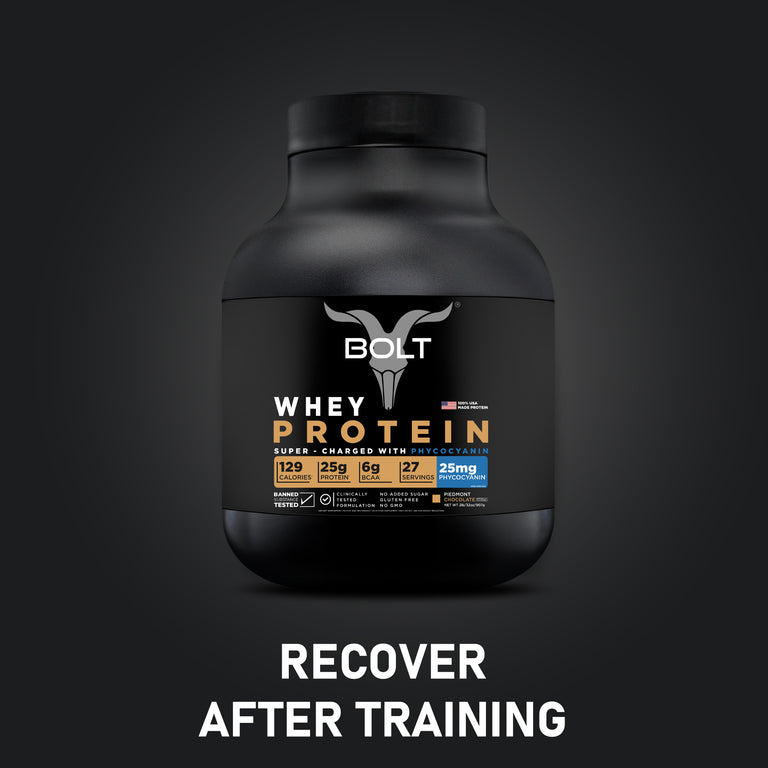
Bolt Whey Protein provides high-quality amino acids, making it ideal for muscle maintenance and healthy aging.
How Much Protein Do Seniors Need Daily?
Most adults over 50 should aim for:
1.0–1.2 g of protein per kg of body weight per day
Example:
A 60 kg senior should consume 60–72g protein/day for optimal muscle health.
Conclusion
Protein is not just for athletes—it’s essential for seniors. With age, the body requires more support to maintain strength, mobility, and vitality. Premium whey protein can help fill nutritional gaps, improve muscle health, and support active living at any age.
FAQs
1. Why do seniors need more protein?
Aging causes muscle loss and reduced metabolism; protein helps maintain muscle, energy, and overall strength.
2. Is whey protein safe for older adults?
Yes, whey is gentle, easy to digest, and clinically proven to support muscle health in seniors.
3. How much protein should seniors consume daily?
About 1.0–1.2g protein per kg body weight is ideal for maintaining muscle and supporting healthy aging.
4. Can seniors take protein every day?
Yes, daily protein intake is recommended, especially if appetite is low or dietary protein is insufficient.
5. What is the best time for seniors to drink a protein shake?
Morning or after light exercise to support muscle repair and energy levels.
