




Does Whey Protein Cause Hair Loss? The Truth Revealed
byDoes Whey Protein Cause Hair Loss? Facts vs Myths
Whey protein is a popular supplement used by people involved in fitness, sports, or those trying to meet their daily protein requirements.
However, a common concern often arises: Does whey protein cause hair loss?
Social media posts and online comments sometimes link protein supplements to hair thinning, which can create confusion and unnecessary worry. Let’s separate myths from facts and understand what science actually says.
What Is Whey Protein?
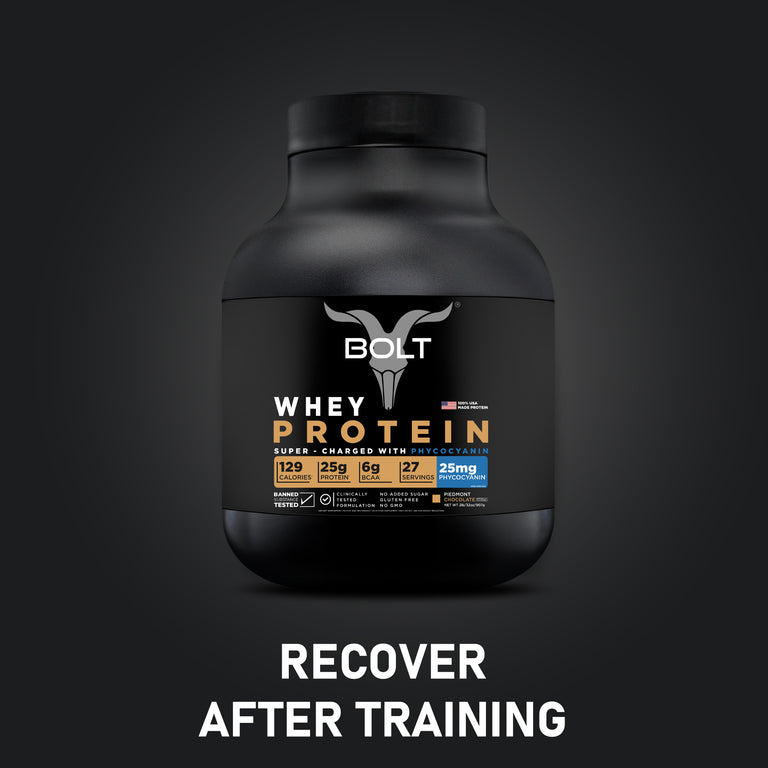
Whey protein is a high-quality protein derived from milk during the cheese-making process. It contains all essential amino acids needed by the body.
- Supports muscle recovery
- Promotes muscle growth
- Helps meet daily protein needs
Whey protein is commonly used when it’s difficult to get enough protein from whole foods alone.
Can Whey Protein Cause Hair Loss?
Short answer: Not directly.
There is no strong scientific evidence proving that whey protein itself causes hair loss. However, some people may experience hair thinning due to indirect factors that are often mistakenly blamed on whey protein.
Why Do People Believe Whey Protein Causes Hair Loss?
1. Genetic Sensitivity
If someone has a family history of hair thinning, hair loss may naturally begin around the same time they start using supplements, creating a false connection.
2. Hormonal Factors
Some believe whey protein increases testosterone or DHT levels. While hormonal responses vary from person to person, whey protein does not directly raise DHT levels.
3. Nutrient Imbalance
Relying heavily on supplements while neglecting whole foods may cause deficiencies in nutrients such as iron, zinc, and biotin, which are essential for hair health.
4. Stress and Sudden Body Changes
Intense workouts, calorie restriction, or stress can cause temporary hair shedding, known as telogen effluvium, which is often wrongly linked to supplements.
Is Whey Protein Safe for Hair Health?
For most people, yes.
- Helps meet daily protein requirements
- Does not damage hair follicles
- Does not cause permanent hair loss
The key is moderation and maintaining a balanced, nutrient-rich diet.
How to Use Whey Protein Safely for Hair Health
- Follow recommended serving sizes
- Eat a balanced diet with whole foods
- Stay properly hydrated
- Avoid excessive protein intake
- Manage stress and get enough sleep
Whey protein should support your diet, not replace real food.
Who Should Be More Careful?
You may want to consult a healthcare professional if:
- You experience unexplained hair loss
- You have hormonal or thyroid issues
- You consume very high amounts of protein
- You rely mainly on supplements instead of balanced meals
Conclusion
Whey protein does not directly cause hair loss. Hair thinning is usually linked to genetics, hormones, stress, or nutritional deficiencies—not protein supplements themselves.
When used correctly, whey protein can be part of a healthy lifestyle without negatively impacting hair health.
FAQs
1. Does whey protein increase DHT?
There is no strong scientific evidence showing that whey protein directly increases DHT (dihydrotestosterone) levels. Genetics play a much larger role in hair loss.
2. Can stopping whey protein reverse hair loss?
If hair loss is unrelated to whey protein, stopping it may not help. Identifying the real cause is essential.
3. How much whey protein is safe per day?
Most people safely consume 20–40 grams per serving, depending on their activity level and overall diet.
4. Is plant protein better for hair health?
Both plant-based and whey proteins can support overall health when consumed properly. Hair health depends more on total nutrition.
5. Can protein deficiency cause hair loss?
Yes. Not getting enough protein can lead to hair thinning, as protein is essential for healthy hair growth.
