



How to Choose the Right Protein Powder for Your Fitness Goals
byProtein is one of the most important nutrients for building muscle, burning fat, and improving recovery. But with so many options available—whey, isolate, concentrate, plant-based, mass gainers—choosing the right protein powder can feel overwhelming.
The truth is: there is no one-size-fits-all protein. The best protein powder depends on your specific fitness goal.
Let’s break it down step by step.
1. Identify Your Fitness Goal First
Before buying any protein powder, ask yourself what you want to achieve:
Muscle Gain & Strength
If your goal is to build muscle and increase strength, you need a protein that is:
-
High in complete amino acids
-
Rich in BCAAs (especially leucine)
-
Fast-absorbing
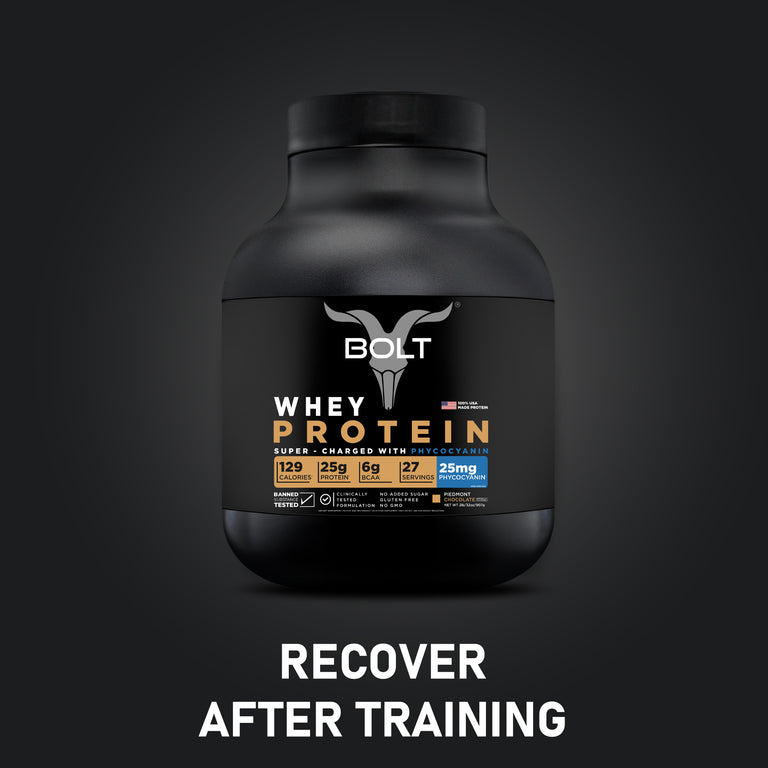
Best choice: Whey Protein Concentrate or Whey Protein Isolate
Weight Loss & Fat Loss
For fat loss, protein should help you:
-
Stay full for longer
-
Preserve lean muscle
-
Avoid extra calories
Best choice: Whey Protein Isolate or Lean Plant Protein
(Low carbs, low fat, high protein)
Beginners & General Fitness
If you’re new to fitness and just want to:
-
Improve daily protein intake
-
Support workouts and recovery
Best choice: Whey Protein Concentrate
(It’s affordable, effective, and easy to digest)
Lactose Sensitivity or Digestion Issues
Some people experience bloating with regular whey.
Best choice:
-
Whey Protein Isolate
-
Plant-based protein (pea + rice blend)
2. Understand the Types of Protein Powder
Whey Protein Concentrate
-
Contains ~70–80% protein
-
Affordable and effective
-
Suitable for most users
Whey Protein Isolate
-
90%+ protein
-
Lower fat, carbs, and lactose
-
Ideal for weight loss and sensitive stomachs
Plant-Based Protein
-
Dairy-free and vegan
-
Good for digestion
-
Slightly slower absorption
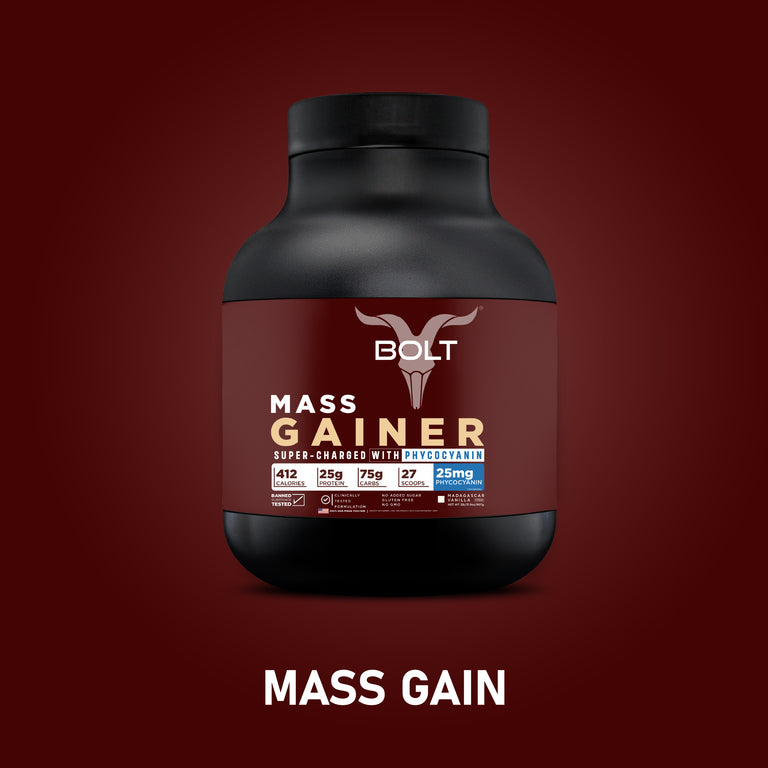
Mass Gainer
-
High calories and carbs
-
Only for people who struggle to gain weight
-
Not suitable for cutting or fat loss
3. Check the Ingredient Label Carefully
Always read the label before buying:
✔ Protein per serving (20–25g ideal)
✔ No added sugar or minimal sugar
✔ Transparent ingredient list
✔ Third-party tested (if possible)
🚫 Avoid:
-
Hidden fillers
-
Excessive artificial sweeteners
-
Unrealistic claims
4. Match Protein Timing With Your Routine
-
Post-workout: Fast-digesting whey protein
-
Morning: Protein with water or milk
-
Between meals: Protein shake to meet daily intake
Consistency matters more than timing.
5. How Much Protein Do You Really Need?
General guideline:
-
Sedentary: 0.8g per kg body weight
-
Active / Gym-goers: 1.2–2g per kg body weight
Protein powder is a supplement, not a replacement for real food.
Common Mistakes to Avoid
❌ Choosing protein only based on price
❌ Ignoring digestion and tolerance
❌ Overconsumption without workouts
❌ Expecting results without consistency
Conclusion:
Choosing the right protein powder is simple when you:
-
Define your fitness goal
-
Understand protein types
-
Read labels carefully
-
Stay consistent with training and nutrition
The best protein is the one that fits your body, goal, and lifestyle—not trends.
FAQs
1. Is whey protein safe for daily use?
Yes, whey protein is safe for daily use when consumed within recommended limits and combined with a balanced diet.
2. Which protein is best for beginners?
Whey protein concentrate is ideal for beginners due to its effectiveness, affordability, and balanced nutrition.
3. Can protein powder help with weight loss?
Yes, protein powder helps control appetite, preserve muscle, and support fat loss when used correctly.
4. Is plant protein as effective as whey?
Plant protein is effective, especially when blended (pea + rice), but whey absorbs faster for muscle building.
5. How long does it take to see results?
With regular workouts and proper nutrition, noticeable results usually appear within 4–6 weeks.
