




Isolate Protein for Cutting: Achieve Lean Gains Without the Bulk
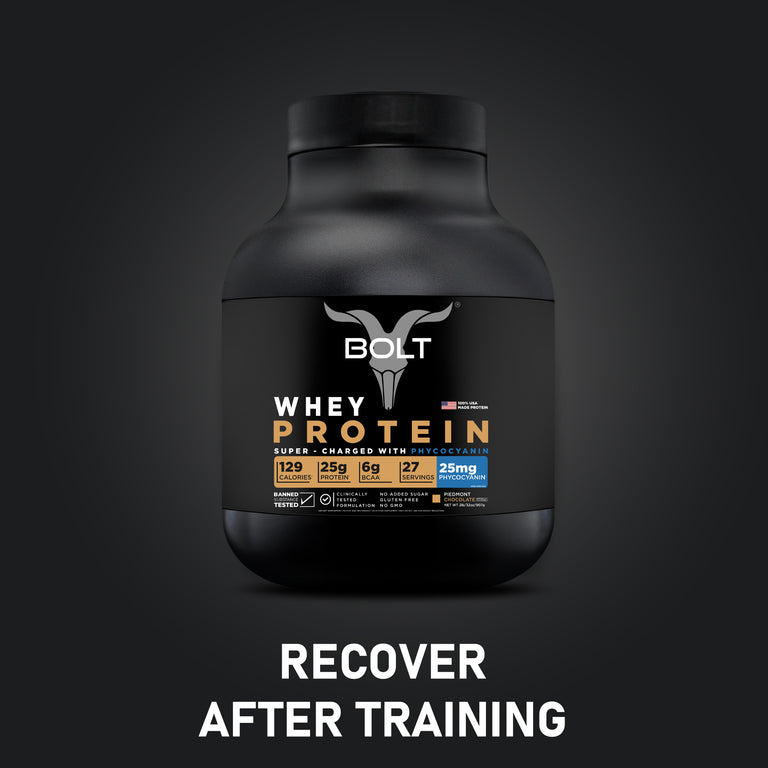
byYour supplement stack is essential if you want to lose weight and show off a toned, lean body. One of the most effective additions to any cutting phase is isolate protein. Designed for purity and fast absorption, it supports muscle retention while minimizing unnecessary calorie intake.
Why Choose Isolate Protein During Cutting?
-
Low in Carbs and Fat:
Isolate protein is processed to remove excess carbohydrates and fats, making it ideal for calorie-controlled diets. -
Fast Absorption:
Whey isolate is ideal for post-workout recovery since it digests swiftly and gets amino acids into muscles quickly. -
Muscle Preservation:
Isolated protein aids in burning fat and preserving lean muscle mass during a calorie restriction. -
Clean Label, No Bloat:
Most isolates are free of fillers and lactose, reducing digestive discomfort and bloating.

When to Take Whey Isolate Protein
- Post-workout: Rapid muscle repair
- Morning: Prevent catabolism
- Between meals: Stay full and feed muscles
Final Thoughts
If you're aiming for lean gains without the bulk, adding a high-quality isolate protein to your routine can accelerate fat loss while keeping your muscles intact. Pair it with strength training and a clean diet for the best results.
FAQs-
Q1. How can whey protein isolate support fat loss during a cutting phase?
Whey isolate is high in protein and low in carbs/fats, which helps preserve lean muscle while in a calorie deficit, boosts satiety, and supports recovery — all important for effective cutting.
Q2. Is whey protein isolate better than regular whey for cutting?
Yes — compared to whey concentrate, isolate has higher protein purity and less lactose/carb content, making it ideal when calories are tight and protein needs are high.
Q3. When should I take whey isolate if my goal is to lose fat?
While any time you meet your daily protein target matters most, taking whey isolate post-workout can help with muscle repair and recovery without extra calories.
Q4. Can whey protein isolate help control hunger while dieting?
Yes — protein is highly satiating, and whey isolate can help curb appetite between meals, reducing cravings and helping maintain a calorie deficit more easily.
Q5. How much isolate protein should I consume during a cutting phase?
A typical guideline is about 20–30 g per serving, but daily intake should be based on your total protein goal (often 1.6–2.2 g per kg of body weight) during cutting.
Q6. Does whey isolate help retain muscle while losing weight?
Yes — because it provides essential amino acids (especially leucine), whey isolate helps reduce muscle breakdown during calorie restriction and high-intensity training.
Q7. Can beginners use protein isolate for cutting?
Absolutely — even beginners can benefit from whey isolate as a convenient, lean protein source to support muscle maintenance and appetite control.
Q8. Is whey isolate suitable for people with lactose intolerance?
Many people with mild lactose sensitivity tolerate whey isolate better than concentrate, because it contains less lactose while still supplying quality protein.
Q9. Should I replace meals with whey isolate when cutting?
Whey isolate shouldn’t fully replace balanced meals — use it as a supplement to fill protein gaps while you eat whole foods for essential nutrients.
Q10. Can whey isolate help with energy while dieting?
Yes — by supporting muscle repair, maintaining lean mass, and reducing hunger, whey isolate can help you sustain better workout performance and energy levels during cutting.
