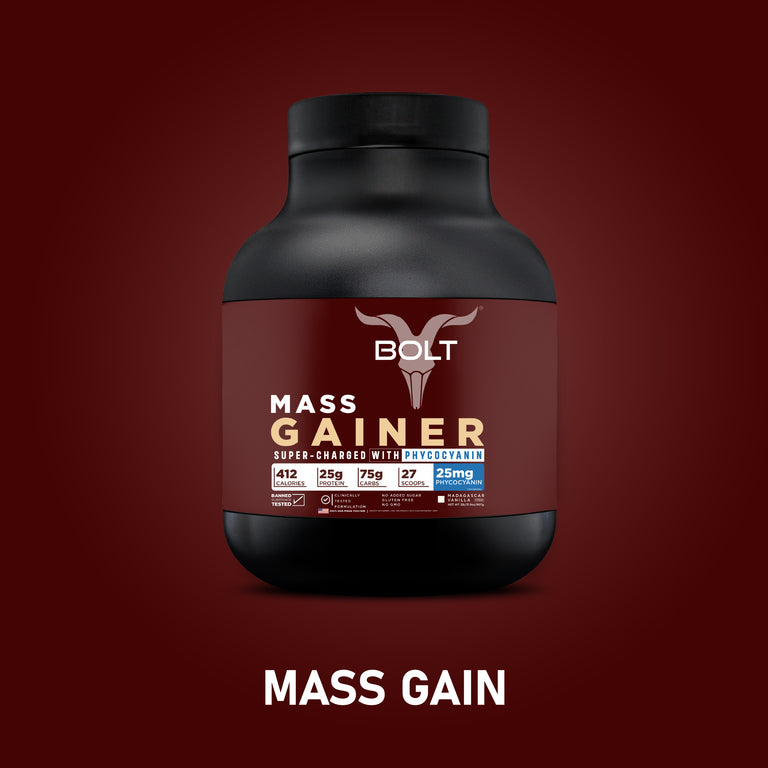





Mass Gainer for Teenagers: Good or Bad?
byTeenagers often look for fast ways to gain weight and muscle, especially those involved in sports or strength training. One popular supplement that frequently appears in this conversation is the mass gainer. But the big question remains: is mass gainer for teenagers good or bad?
This article provides a balanced, research-informed overview to help teens and parents make informed decisions.
What Is a Mass Gainer?
A mass gainer is a high-calorie dietary supplement designed to help individuals gain weight and muscle mass. It usually contains:
-
Carbohydrates (50–70%)
-
Protein (15–30%)
-
Fats
-
Added vitamins and minerals
-
Sometimes sugar, artificial flavors, or digestive enzymes
Hard gainers" who find it difficult to gain weight through diet alone are frequently the target market for mass gainers.
Why Teenagers Consider Mass Gainers
Teenagers may turn to mass gainers for several reasons:
-
Fast metabolism during puberty
-
Desire for quicker muscle growth
-
Pressure from social media or fitness culture
-
Athletic performance goals
-
Difficulty eating enough calories daily
While these reasons are understandable, supplementation at a young age requires caution.
Potential Benefits of Mass Gainer for Teenagers
When used properly and under guidance, mass gainers may offer limited benefits:
✔️ Calorie Support
Helps teens who genuinely struggle to meet daily calorie needs through food.
✔️ Protein Intake
Supports muscle repair after resistance training.
✔️ Convenience
Easy to consume for teens with busy schedules.
Risks and Side Effects of Mass Gainer for Teens
Despite the benefits, mass gainers are not always ideal for teenagers.
❌ Excessive Sugar Intake
Many mass gainers contain high amounts of sugar, increasing the risk of fat gain rather than muscle.
❌ Digestive Problems
Bloating, stomach cramps, and diarrhea are common in teens with sensitive digestion.
❌ Unnecessary Additives
Some products contain artificial sweeteners, fillers, or ingredients not tested for adolescents.
❌ Hormonal and Growth Concerns
Teen bodies are still developing. Excess supplementation may interfere with natural growth patterns.
What Do Health Experts Say?
Most nutritionists and pediatric health professionals agree:
Whole foods should be the primary source of nutrition for teenagers.
Supplements, including mass gainers, should only be considered if:
-
There is a medical or nutritional deficiency
-
A doctor or registered dietitian approves usage
-
The product has a clean, transparent ingredient label
Adolescents' Healthy Substitutes for Weight Gainer
Instead of relying on supplements, teens can gain healthy weight through natural foods:
-
Oatmeal with peanut butter
-
Rice, potatoes, and whole grains
-
Eggs, chicken, fish, and dairy
-
Smoothies made with fruits, milk, yogurt, and nuts
-
Homemade protein shakes without additives
These options support sustainable growth and overall health.
Conclusion: Good or Bad?
Mass gainer for teenagers is neither entirely good nor completely bad.
It depends on the individual’s health, diet, activity level, and supervision.
Best Practice:
-
Prioritize whole foods
-
Train safely
-
Consult a healthcare professional before using supplements
For most teenagers, a balanced diet and consistent training are more effective and safer than mass gainers.
Frequently Asked Questions
1. Is mass gainer safe for a 15-year-old?
Generally, mass gainers are not recommended without medical advice for teens under 18.
2. Can mass gainer cause fat gain in teenagers?
Yes. Due to high calorie and sugar content, excess use can lead to fat gain instead of muscle.
3. Is whey protein better than mass gainer for teens?
In most cases, simple whey protein (if approved by a doctor) is safer than high-calorie mass gainers.
4. How can skinny teenagers gain weight naturally?
By increasing meal frequency, eating calorie-dense whole foods, and following a structured workout routine.
5. Should parents allow teenagers to use mass gainers?
Only after consulting a healthcare professional and reviewing ingredient safety.
