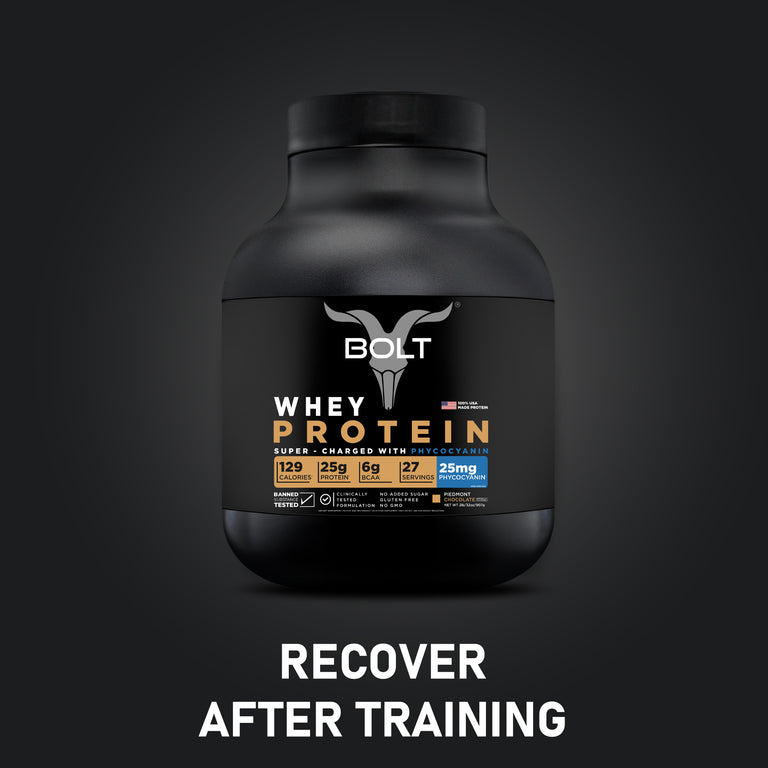





How to Consume Whey Protein?
byWhey protein is one of the most popular supplements for fitness enthusiasts, athletes, and those aiming to achieve a healthier lifestyle. Packed with essential amino acids, it supports muscle growth, weight loss, and recovery. If you're wondering how to consume whey protein effectively, here’s a comprehensive guide.
Best Times to Take Whey Protein
-
Morning: Kickstart your day with whey protein to fuel your body after fasting overnight. A protein shake in the morning can curb cravings and set a healthy tone for the day.
-
Post-Workout: Consuming whey protein within 30 minutes after your workout aids muscle recovery and growth by replenishing amino acids and repairing tissue.
-
Between Meals: If you’re managing your weight or increasing your protein intake, a mid-morning or afternoon shake can help reduce hunger pangs.
-
Before Bed: Though casein is better for slow digestion, whey protein before bed can supplement your protein needs for muscle repair.
How to Consume Whey Protein
-
Protein Shakes: The easiest and most common method. Mix one scoop (20-30g) of whey protein with water, milk, or your favourite plant-based milk.
-
Smoothies: Add whey protein to smoothies with fruits, vegetables, and nuts for a nutritious meal replacement.
-
Baking: Enhance your recipes like pancakes, muffins, or protein bars with a scoop of whey for added nutrition.
-
Oatmeal: Stir whey protein into your morning oats for a high-protein breakfast.
-
With Water or Milk: For faster absorption, mix whey with water. For a creamier texture, use milk.
How Much Whey Protein Should You Take?
The amount of protein you should consume each day is determined by your weight, degree of exercise, and fitness objectives. In general:
-
Casual gym-goers: 0.8-1g of protein per kilogram of body weight.
-
Sportsmen and bodybuilders: 1-2 grains per kilogram of body weight.
-
For weight loss: Adjust intake based on calorie goals, ensuring sufficient protein to retain muscle mass.
Benefits of Whey Protein
-
Builds and Repairs Muscle: Rich in branched-chain amino acids (BCAAs), whey protein supports muscle recovery and growth.
-
Supports Weight Loss: High protein intake increases satiety and boosts metabolism.
-
Strengthens Immunity: Contains bioactive substances that strengthen the immune system.
-
Convenient Nutrition: Quick and easy to incorporate into your busy lifestyle.
Tips for Choosing the Right Whey Protein
-
Type of Whey: Decide between whey concentrate, isolate, or hydrolysate based on your needs and budget.
-
Check Ingredients: Avoid added sugars, artificial Flavors, and unnecessary fillers.
-
Brand Reputation: Choose reputable brands with third-party testing to ensure quality.
-
Flavors: Select Flavors you enjoy to make consumption more pleasant.
Conclusion
Whey protein is a versatile and convenient way to meet your nutritional needs. By consuming it at the right time and in creative ways, you can maximize its benefits for muscle growth, weight loss, and overall health. Pair whey protein with a balanced diet and regular exercise to achieve your fitness goals effectively.
Incorporate whey protein smartly into your routine and witness the transformation in your fitness journey!
FAQs-
Q1. Do beginners need whey protein?
You don’t have to use whey — whole food protein is ideal — but it’s useful for people who struggle to hit daily protein targets through diet alone. Start with smaller amounts (e.g., half a scoop) if you’re new to whey.
Q2. Can I take whey protein before workouts?
Yes — taking whey protein 30–60 min before training can provide amino acids during your session and help prevent muscle breakdown.
Q3. Is it okay to take whey protein every day?
Yes — if it helps you meet your daily protein goals consistently. Daily use is common for athletes and anyone focused on muscle gain, weight management, or recovery.
Q4. Are there common mistakes people make when consuming whey protein?
Yes — mistakes include taking too much, mixing with unsuitable liquids (like hot drinks), and relying on whey as a meal replacement instead of pairing it with real foods.
Q5. Is whey protein suitable for everyone?
Most healthy adults can use whey safely, but people with dairy sensitivities or medical conditions should consult a doctor. It’s a supplement to help meet protein needs, not a substitute for whole foods.
