


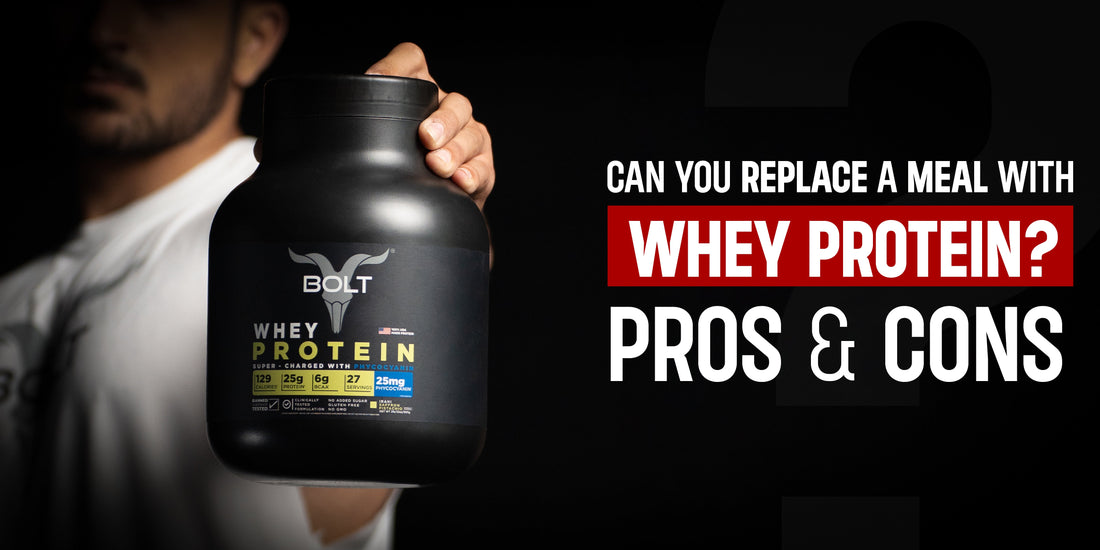

Can You Replace a Meal with Whey Protein? Pros & Cons
byWhey protein is often used as a convenient nutrition source, but can it replace a full meal? While it offers high-quality protein, it may lack other essential nutrients found in whole foods.
Let’s explore the pros and cons of replacing meals with whey protein and when it may be beneficial.
Pros of Replacing a Meal with Whey Protein
✅ High-Quality Protein – Aids muscle maintenance, recovery, and satiety.
✅ Quick & Convenient – Ideal for busy individuals needing on-the-go nutrition.
✅ Aids in Weight Management – Helps control appetite and prevent overeating.
✅ Low in Calories & Fat – A lean alternative to high-calorie meals.
✅ Easily Digestible – Quick absorption for fast energy and muscle support.
Best for:
Busy professionals and students looking for a quick dinner.
Weight loss and calorie control strategies.
Post-workout recovery when solid food isn’t an option.
Those struggling to meet protein intake goals.
Cons of Replacing a Meal with Whey Protein
Lacks Key Nutrients – Whole meals contain fiber, healthy fats, and micronutrients missing in whey protein.
May Not Keep You Full – Liquid calories digest quickly, leading to hunger sooner.
Potential Nutrient Deficiencies – Over-reliance can result in vitamin and mineral gaps.
Not Ideal for Long-Term Nutrition – Whole foods provide diverse health benefits.
When Whey Protein Shouldn’t Replace a Meal:
Every meal – It’s not a sustainable or balanced diet approach.
If you struggle with blood sugar control – Whole foods provide better glucose regulation.
Fiber and healthy fats are essential for digestion and general health.
How to Use Whey Protein as a Meal Replacement (Properly)
Pair with Whole Foods – Add fruits, nuts, oats, or nut butter for balanced nutrition.
Choose a Complete Protein Powder – Some whey blends include added vitamins and minerals.
Don’t Replace Every Meal – Use whey protein as a supplement, not your main food source.
FAQ – Whey Protein as a Meal Replacement
1. Can I drink whey protein instead of breakfast?
Yes, but adding healthy fats and fiber (like fruit or oats) makes it more balanced.
2. Will replacing meals with whey protein help with weight loss?
It can, as long as it keeps you in a calorie deficit and you’re still getting essential nutrients from other meals.
3. Can I replace dinner with whey protein?
Occasionally, yes—but it’s best to have a whole-food meal for better digestion and nutrient balance.
4. Is whey protein a good substitute for solid foods?
Not completely. It lacks fiber, healthy fats, and a variety of micronutrients.
5. What’s the best way to make a whey protein meal replacement shake?
Blend whey protein with fruits, nut butter, oats, and a milk alternative for a balanced, nutritious shake.
Conclusion
While whey protein can replace a meal occasionally, it’s not a long-term substitute for whole foods. To stay healthy and meet all nutritional needs, combine whey protein with fiber, healthy fats, and micronutrients from whole foods.
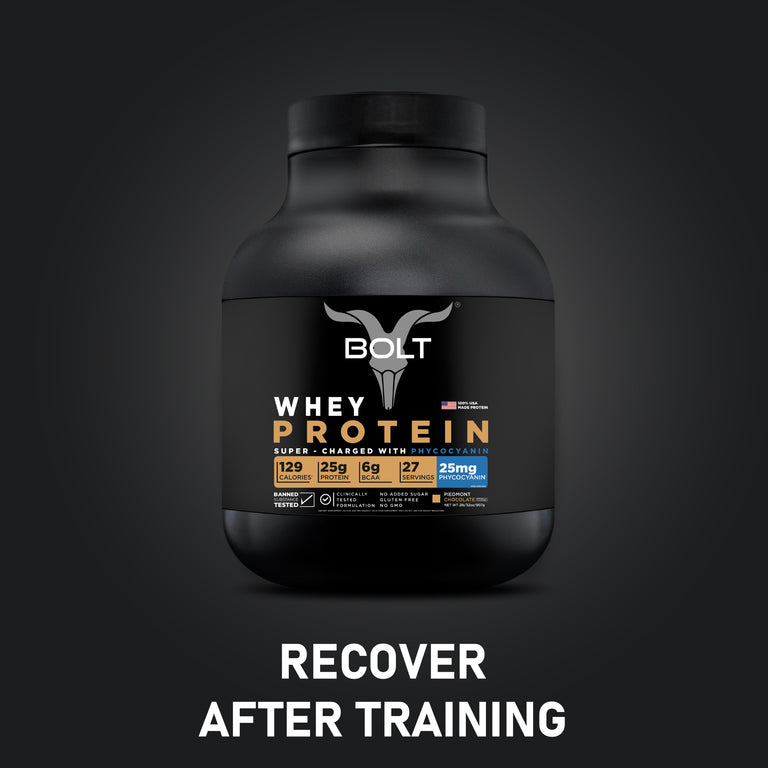
Get the Best Whey Protein with Bolt Nutrition!
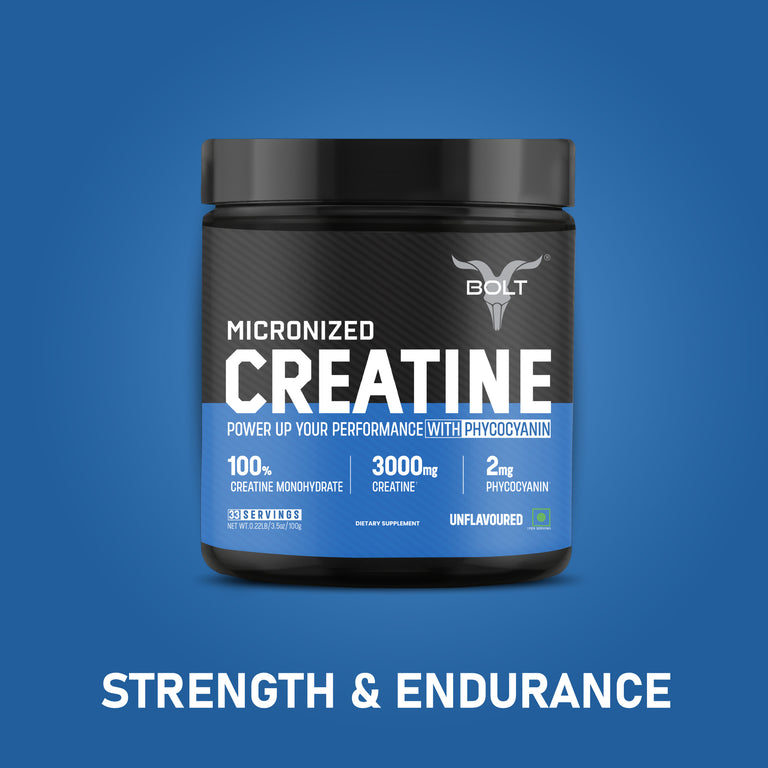
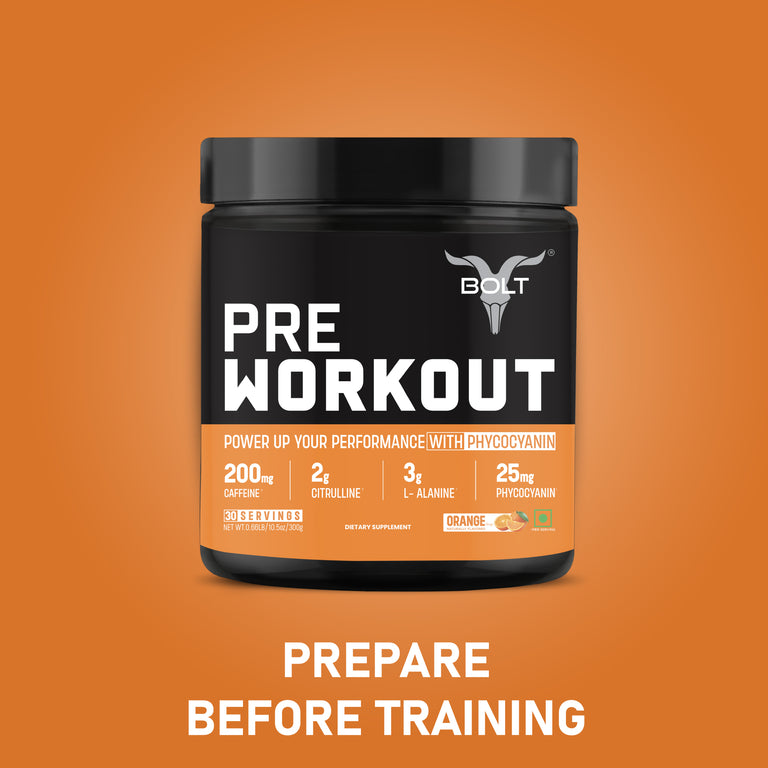
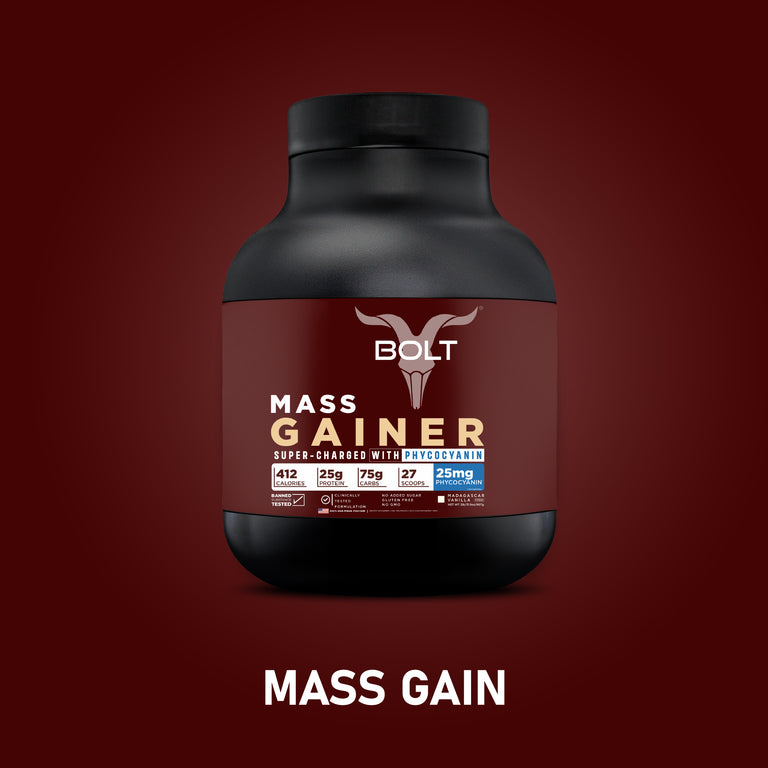
For premium-quality whey protein, fuel your body with Bolt Nutrition’s scientifically formulated supplements.

