




Creatine & Muscle Recovery: Does It Really Help?
byIf you train hard, recovery matters just as much as your workout. Muscle soreness, fatigue, and reduced strength after intense sessions can slow progress. That’s where creatine for muscle recovery becomes a powerful tool. But does creatine really help in faster muscle repair, or is it just another gym supplement trend?
Let’s break down the science and understand how micronized creatine monohydrate supports muscle recovery, strength, and performance.
What Is Creatine?
Muscle cells naturally contain a substance called creatine. It helps your body produce ATP (adenosine triphosphate), which is the primary energy source during high-intensity exercises like weightlifting, sprinting, and HIIT workouts.
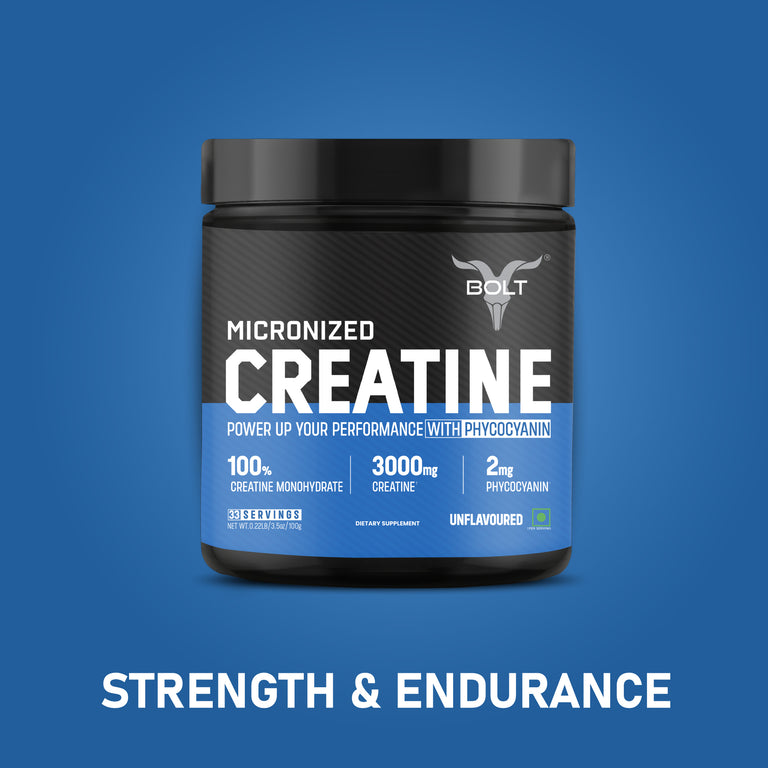
Supplementing with micronized creatine monohydrate increases your muscle creatine stores, helping improve power output, strength, and recovery speed.
How Creatine Helps in Muscle Recovery
1. Faster ATP Replenishment
During intense workouts, your ATP levels drop quickly. Creatine helps regenerate ATP faster, allowing muscles to recover between sets and after workouts.
2. Reduced Muscle Damage
Research suggests that creatine supplementation may reduce markers of muscle cell damage and inflammation after resistance training. Less discomfort and faster muscle repair result from this.
3. Improved Glycogen Storage
Creatine can support better glycogen replenishment post-workout, which helps restore muscle energy levels faster.
4. Enhanced Cellular Hydration
Creatine pulls water into muscle cells, promoting cellular volumization. Proper hydration inside muscle cells supports protein synthesis and muscle repair.
Does Creatine Reduce Muscle Soreness?
While creatine is not a direct painkiller, it may reduce delayed onset muscle soreness (DOMS) by limiting muscle damage and supporting faster recovery processes. Many athletes report feeling less fatigued and more ready for the next workout when supplementing consistently.
Creatine for Strength and Performance
One of the biggest creatine benefits is improved strength output. When you can lift heavier or push harder, muscle growth potential increases. Over time, this leads to better muscle development and enhanced performance.
Creatine is especially effective for:
-
Weight training
-
CrossFit
-
Sprint training
-
High-intensity interval training
-
Bodybuilding
What Makes Micronized Creatine Better?
Micronized creatine monohydrate is processed into smaller particles for better solubility and absorption. Benefits include:
-
Easier mixing
-
Reduced bloating
-
Better digestion
-
Faster uptake in muscles
When choosing the best creatine supplement, look for pure creatine monohydrate with no added sugars or fillers.
Recommended Creatine Dosage
The standard creatine dosage for most individuals:
-
3–5 grams per day
-
No loading phase required (optional)
-
Take post-workout with water or protein shake
Consistency is more important than timing. Daily supplementation helps maintain elevated muscle creatine stores.
Who Should Use Creatine?
Creatine is suitable for:
-
Gym beginners
-
Advanced athletes
-
Bodybuilders
-
Powerlifters
-
Endurance athletes
-
Men and women looking to improve performance
It is one of the most researched and scientifically supported sports supplements available today.
Common Myths About Creatine
Myth 1: Creatine Causes Kidney Damage
Scientific research shows creatine is safe for healthy individuals when taken in recommended doses.
Myth 2: Creatine Is a Steroid
Creatine is not a steroid. It is a naturally occurring compound found in foods like red meat and fish.
Myth 3: Creatine Causes Excess Fat Gain
Creatine may increase water retention inside muscle cells, but it does not cause fat gain.
Conclusion
Yes, creatine significantly supports muscle recovery, strength enhancement, and improved athletic performance. By increasing ATP production, reducing muscle damage, and promoting faster repair, creatine remains one of the most effective post workout recovery supplements available.
If your goal is better strength, faster recovery, and improved workout performance, adding a high-quality micronized creatine monohydrate supplement to your routine can be a smart and science-backed decision.
Frequently Asked Questions-
1. How long does it take for creatine to start working?
Most users notice strength improvements within 1–2 weeks of consistent use.
2. Can I take creatine every day?
Yes, daily supplementation of 3–5 grams is recommended for maintaining muscle saturation.
3. Is creatine safe for beginners?
Yes, creatine is safe and effective for beginners when taken in proper doses.
4. Before or after working out, should I take creatine?
Both are effective, but many prefer post-workout for recovery support.
5. Does creatine cause bloating?
Micronized creatine reduces the chances of bloating compared to regular creatine.
6. Can women take creatine?
Absolutely. Creatine supports strength, muscle tone, and recovery in women as well.
