




Creatine for Beginners: Dosage, Loading, and Long-Term Safety
byCreatine monohydrate is one of the most researched and trusted sports supplements in the fitness world. Known for boosting strength, power, and muscle size, creatine is often a beginner’s first choice. But many people are unsure about the right dosage, whether a loading phase is needed, and if long-term use is safe. Let’s break it down in simple terms.
What Is Creatine?
Creatine is a naturally occurring compound found in your muscles. It helps regenerate ATP (adenosine triphosphate), the body’s primary energy source for short, explosive activities like weightlifting and sprinting.
By supplementing with creatine, you can increase energy availability, allowing better workout performance and faster recovery.
Creatine Dosage for Beginners
The most common and effective form is creatine monohydrate. Here’s how you can start:
-
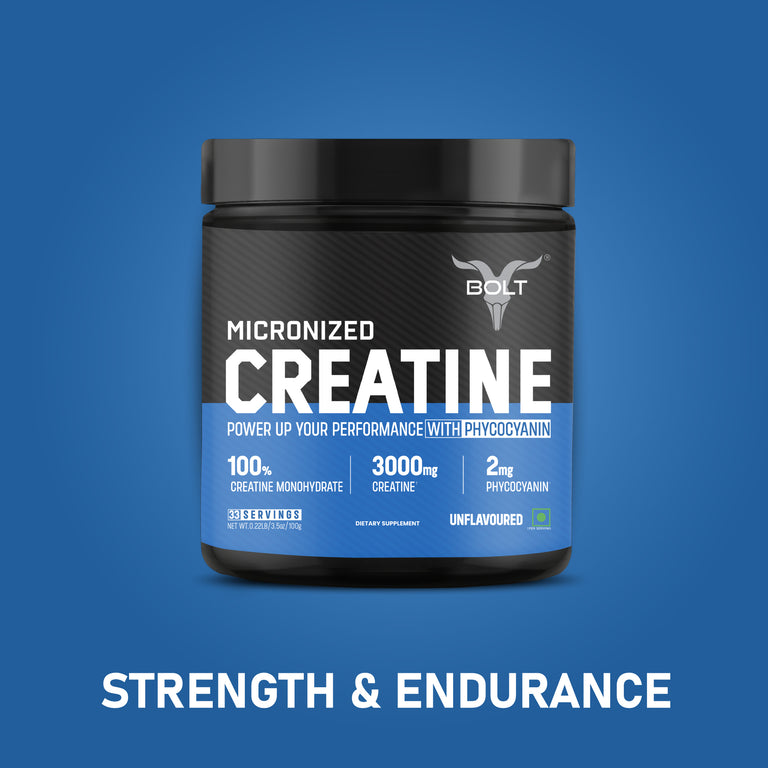
Standard Dosage: 3–5 grams per day (safe for beginners and advanced athletes).
-
Best Time to Take: After a workout with carbs and protein for better absorption.
-
Consistency is Key: Take it daily — not just on workout days.
The Creatine Loading Phase
Some people choose a loading phase to saturate muscles faster:
-
Loading: 20 grams per day (split into 4 doses of 5g each) for 5–7 days.
-
Maintenance: Continue with 3–5 grams per day.
👉 Beginners can skip the loading phase and go straight to a daily 3–5g dose — muscle saturation will simply take longer (around 3 weeks instead of 1).
Is Creatine Safe for Long-Term Use?
Yes, creatine is considered safe for healthy individuals, even with long-term use. Studies lasting over 5 years show no harmful effects on kidney or liver function.
Tips for Safe Use:
-
Stay hydrated (creatine draws water into muscles).
-
Stick to recommended dosages (no need to megadose).
-
Pair with a balanced diet and proper training.
Benefits of Creatine for Beginners
-
Increases strength and power
-
Enhances muscle growth
-
Improves high-intensity performance
-
Supports quicker recovery
-
Safe and affordable
Conclusion
For beginners, creatine is a powerful and safe supplement when taken correctly. Start with 3–5 grams daily, consider a loading phase if you want faster results, and rest assured — long-term use is safe when used responsibly.
FAQs-
Q1 What is the best creatine dosage for beginners?
Beginners typically do well with 3–5 grams of creatine monohydrate per day, taken consistently, even on rest days, to keep muscles saturated.
Q2 Do beginners need a creatine loading phase?
No, a loading phase is optional; you can take 3–5 grams daily without loading, and your muscles will reach full saturation in about 3 weeks instead of 5–7 days.
Q3 Is creatine safe for long-term use?
Research shows creatine is safe for healthy individuals when used at recommended doses for years, with no significant harm to kidney or liver function reported in controlled studies.
Q4 When is the best time to take creatine—before or after workout?
Creatine works as long as daily intake is consistent, but many prefer taking it after workouts with carbs and protein to support uptake and recovery.
Q5 Can creatine cause side effects like bloating or kidney damage?
Mild bloating or stomach upset can occur, especially during high-dose loading, but serious side effects are rare when staying at 3–5 grams per day and staying hydrated.
Q6 Should I cycle creatine or take it every day?
Cycling is not necessary because creatine does not create tolerance; most beginners get best results using a steady daily dose over months.
Q7 Is creatine safe for beginners and non-athletes?
Yes, creatine monohydrate is one of the most researched sports supplements and is considered safe for beginners who are otherwise healthy and follow dosing guidelines.
Q8 Can I take creatine on rest days?
Yes, taking creatine on rest days is important to maintain muscle creatine levels and keep performance and recovery benefits consistent.
