



How to Calculate Your Daily Protein Needs?
byProtein plays a crucial role in maintaining muscle mass, supporting recovery, and improving overall health. Whether you are an athlete, fitness enthusiast, or simply someone looking to maintain a healthy lifestyle, understanding your daily protein requirement is essential.
Many people either consume too little protein or rely on guesswork when planning their diet. Learning how to calculate your daily protein needs helps ensure your body receives the nutrients required for optimal performance and recovery.
Why Protein Is Important for Your Body
Protein is made up of amino acids that help repair and build tissues in the body. It plays a key role in muscle development, hormone production, immune function, and overall metabolism.
For individuals who exercise regularly, protein becomes even more important. Workouts cause small tears in muscle fibers, and protein helps repair these fibers, making them stronger and larger over time.
A proper protein intake also helps improve satiety, making it easier to maintain a healthy body weight.
Recommended Daily Protein Intake
The daily protein requirement varies depending on several factors, including body weight, activity level, and fitness goals.
General recommendations include:
- Sedentary individuals: 0.8 grams per kilogram of body weight
- Moderately active individuals: 1.0–1.2 grams per kilogram
- Athletes and strength trainers: 1.6–2.2 grams per kilogram
These ranges help ensure your body receives enough protein to maintain muscle mass and support physical activity.
Step-by-Step Method to Calculate Your Protein Needs
Calculating your protein intake is simple and can be done in a few steps.
Step 1: Know Your Body Weight
Start by measuring your body weight in kilograms.
Example:
70 kg body weight
Step 2: Determine Your Activity Level
Choose the appropriate protein range based on your fitness goals.
Example:
Moderate training = 1.5 g protein per kg
Step 3: Multiply Weight by Protein Requirement
Protein intake = body weight × protein requirement
Example calculation:
70 × 1.5 = 105 grams of protein per day
This means a 70 kg individual who exercises regularly may need about 100–110 grams of protein daily.
Protein Needs Based on Fitness Goals
Muscle Gain
Individuals aiming to build muscle require higher protein intake to support muscle growth and recovery. Strength training combined with adequate protein intake helps stimulate muscle protein synthesis.
Recommended intake: 1.6–2.2 g/kg body weight
Weight Loss
Protein plays a major role in fat loss because it helps preserve muscle mass while reducing body fat. It also increases satiety and reduces hunger.
Recommended intake: 1.5–2.0 g/kg body weight
Endurance Athletes
Athletes involved in running, cycling, or sports also require sufficient protein to repair muscles and maintain performance.
Recommended intake: 1.2–1.6 g/kg body weight
Best Protein Sources
To meet daily protein needs, include a variety of protein-rich foods in your diet.
High-quality protein sources include:
- Lean meats such as chicken and turkey
- Fish like salmon and tuna
- Eggs and dairy products
- Legumes and lentils
- Nuts and seeds
- Plant-based protein sources
- Protein supplements such as whey protein
Combining different protein sources ensures a balanced intake of essential amino acids.
Role of Protein Supplements
While whole foods should always form the foundation of a healthy diet, protein supplements can help individuals meet their daily protein targets more conveniently.
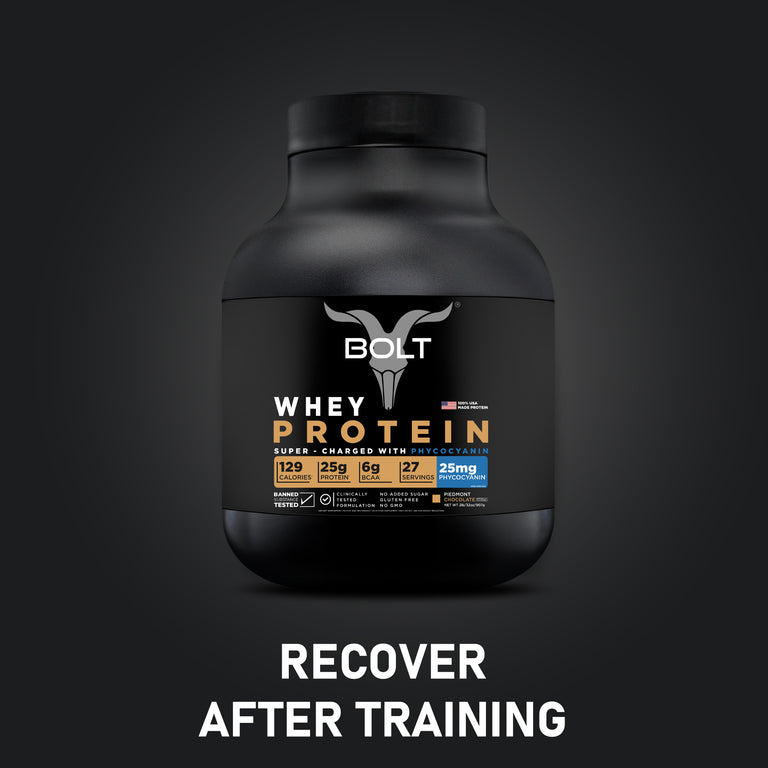
Protein powders such as whey protein are widely used by athletes and gym-goers because they provide high-quality protein that is quickly absorbed by the body.
Protein shakes are especially useful after workouts when the body needs nutrients for muscle recovery.
Common Mistakes When Calculating Protein Intake
Many people make mistakes when estimating their protein requirements. Some common errors include:
- Ignoring body weight when calculating protein intake
- Consuming too little protein during intense training
- Relying only on supplements instead of whole foods
- Not spreading protein intake throughout the day
Balancing protein intake across meals helps maintain steady muscle recovery and energy levels.
Tips to Increase Protein Intake
If you struggle to meet your daily protein target, consider these simple strategies:
- Include protein in every meal
- Add protein-rich snacks between meals
- Consume protein after workouts
- Use protein shakes when needed
- Plan balanced meals in advance
These habits can make it easier to maintain consistent protein intake.
Conclusion
Calculating your daily protein needs is an important step toward achieving better health and fitness results. By understanding your body weight, activity level, and fitness goals, you can determine the right amount of protein required to support muscle growth, recovery, and overall performance.
A balanced approach that includes whole foods, proper meal timing, and adequate protein intake can help you reach your fitness goals more effectively.
FAQs-
1. How do I figure out how much protein I need each day?
To estimate your daily protein intake, multiply your body weight (in kg) by a factor based on your lifestyle. Sedentary individuals need less protein, while active people or those training regularly require more to support muscle repair and recovery.
2. What is the ideal protein intake per kg of body weight?
Protein needs typically range from 0.8 to 2.2 grams per kilogram. Lower ranges suit general health, while higher ranges are better for muscle building, fat loss, or intense physical activity.
3. How much protein should I eat to build muscle effectively?
For muscle growth, aim for a higher protein intake along with resistance training. Consuming enough protein helps repair muscle fibers and supports consistent strength and size gains over time.
4. How does activity level affect protein requirements?
The more active you are, the more protein your body needs. Exercise increases muscle breakdown, so higher protein intake helps recovery, reduces fatigue, and improves overall performance.
5. How much protein do I need for fat loss?
During weight loss, protein intake should be slightly higher to help preserve lean muscle mass. A higher-protein diet can also improve satiety and reduce overall calorie intake.
6. How much protein do I need for fat loss?
During weight loss, protein intake should be slightly higher to help preserve lean muscle mass. A higher-protein diet can also improve satiety and reduce overall calorie intake.
