




How to Choose a Whey Protein If You Have Digestion Issues: Expert Guide
byYou start taking whey for a simple reason: to get more protein, recover better from workouts, and support your fitness goals. But instead of feeling stronger and more energetic, you suffer from bloating, gas, gastrointestinal discomfort, and heaviness every time you drink protein shakes.
If you experience something like that, know that you're not the only one who faces such problems.
One of the most common problems among first-time protein users is digestive complications. Many people assume whey protein supplement itself is the problem and immediately stop using it. The actual cause is not the category of products in general, but the specific type of whey protein, certain ingredients, lactose levels, sweeteners, etc.
Thanks to the development of sports nutrition, manufacturers have developed different forms of whey protein to suit different needs. Some formulas prioritize affordability, while others focus on purity, absorption, and digestive comfort. Understanding these differences can help you choose a protein supplement that supports your goals without upsetting your stomach.
This guide explains how digestion issues occur with whey protein, what ingredients to look for, and how to select a formula that your body can comfortably digest and utilize.
Why Some Whey Proteins Feel Heavy on the Stomach

Whey protein is obtained from milk through the process of cheese production. Whey protein is known to be a high-quality protein, consisting of all nine essential amino acids, with leucine being the most predominant one that stimulates muscle protein synthesis.
It should be noted, however, that not all beginner whey protein are alike when it comes to manufacturing techniques. The differences in terms of filtration, lactose amount, sweeteners, and other additives matter a lot.
When people complain about protein shakes causing discomfort, the symptoms often include:
- Bloating
- Excessive gas
- Stomach cramps
- Feeling unusually full
- Loose stools
- Digestive sluggishness
- Nausea after consumption
The underlying cause can vary from person to person, which is why choosing the right protein requires more than simply picking the most popular brand.
👉 Read more article: Mass Gainer vs Whey Protein: Which is Better for You?
The Lactose Factor Most People Overlook
When someone tells me they experience bloating after drinking a protein shake, lactose sensitivity is usually one of the first areas worth investigating.
Lactose is a naturally occurring sugar present in milk. The digestion of lactose necessitates the enzyme lactase. With increasing age, individuals may experience a decline in lactase production, which can reduce the efficiency of dairy product digestion.
This doesn't necessarily mean you're allergic to dairy or that whey protein is unsuitable for you. It simply means that the amount of lactose present in your protein powder may be exceeding what your digestive system can comfortably handle.
This is particularly common with lower-cost whey protein concentrates, which generally retain more lactose compared to other forms of whey.
👇 Watch This Video For More Details:
Understanding the Different Types of Whey Protein
One of the most important factors affecting digestibility is the type of whey protein you're consuming.
1. Whey Protein Concentrate
Whey Protein Concentrate is the most commonly available form of whey protein.
It generally contains:
- 70–80% protein
- More naturally occurring lactose
- Small amounts of fats and carbohydrates
- Bioactive compounds from milk
For many healthy individuals, concentrate works perfectly well. However, people with mild lactose sensitivity may notice bloating or digestive discomfort after regular use.
2. Whey Protein Isolate
Whey Protein Isolate undergoes additional filtration to remove most of the lactose, fat, and carbohydrates while increasing protein purity.
Compared to concentrate, isolate typically contains:
- Higher protein percentage
- Lower lactose content
- Faster digestion
- Easier absorption
Research and practical experience consistently show that whey isolate is often better tolerated by individuals who experience digestive discomfort with standard whey concentrates.
3. Hydrolyzed Whey Protein
Hydrolyzed whey undergoes partial enzymatic breakdown before consumption.
Think of it as protein that's already been partially digested.
This can make it:
- Faster absorbing
- Easier on sensitive stomachs
- Less likely to cause heaviness
The trade-off is usually a higher price and slightly different taste profile.
👉 Read more article: Which is The Best Time to Take a Whey Protein
Ingredients Matter More Than Most People Realize
Many people focus only on protein grams per serving while ignoring the rest of the ingredient label.
Yet the ingredient panel often explains why one protein feels great and another doesn't.
1. Artificial Sweeteners
Certain individuals are sensitive to sweeteners such as:
- Sucralose
- Acesulfame Potassium
- Sugar alcohols
While generally considered safe, some users report bloating or digestive discomfort after consuming large amounts.
2. Thickening Agents
Ingredients such as xanthan gum and guar gum improve texture and mixability but can occasionally contribute to bloating in sensitive individuals.
3. Excessive Fillers
Lower-quality proteins sometimes include unnecessary fillers that add bulk without improving nutrition.
A cleaner formula often results in a better digestive experience.
Why Digestive Enzymes Can Make a Difference
One feature worth looking for is the inclusion of digestive enzymes.
Digestive enzymes help break proteins into smaller amino acids and peptides that your body can absorb more efficiently.
Common examples include:
- Protease
- Bromelain
- Papain
- Lactase
Some advanced whey formulas also include specialized absorption technologies and digestive support ingredients to improve nutrient utilization and reduce stomach discomfort.
For people who have struggled with protein digestion in the past, enzyme-enhanced formulas can often provide a noticeably smoother experience.
Why Whey Isolate Is Often Easier to Digest
Think of whey isolate as a more refined version of whey protein.
Through advanced filtration techniques, much of the lactose, fat, and carbohydrates are removed, leaving behind a higher concentration of protein. The result is a cleaner product that many people find significantly easier to digest.
For individuals with mild lactose sensitivity, whey isolate often provides the muscle-building benefits of whey without the digestive discomfort associated with traditional concentrates.
This is why athletes preparing for competitions, individuals following calorie-controlled diets, and people with sensitive stomachs frequently choose isolate-based formulations.
The higher price tag can sometimes seem discouraging, but when digestive comfort and protein absorption are priorities, the investment is often worthwhile.
Buying Guide: How to Choose a Whey Protein for Sensitive Digestion
|
Factor |
What to Look For |
Why It Matters |
|
Protein Type |
Whey Isolate |
Lower lactose content |
|
Digestive Support |
Enzymes included |
Better digestion and absorption |
|
Ingredient List |
Clean and transparent |
Fewer unnecessary additives |
|
Sweeteners |
Moderate use |
Reduced digestive stress |
|
Protein Content |
24–30g per serving |
Effective protein intake |
|
Testing Standards |
Lab-tested products |
Better quality assurance |
|
Mixability |
Easy mixing |
Better digestion and consistency |
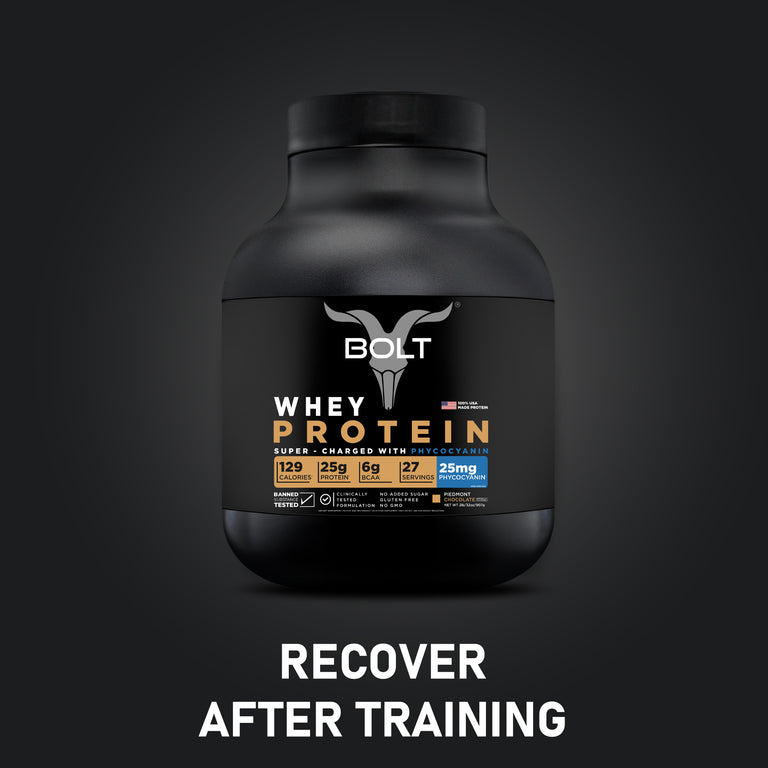
If you're comparing different protein options and want to evaluate protein type, ingredient quality, and formulation transparency, browse the Bolt Nutrition Protein Collection to compare whey concentrate, whey isolate, and specialized protein formulas designed for different fitness goals. Products such as whey isolate are specifically formulated with lower lactose content, which may be beneficial for individuals experiencing digestive discomfort.
Common Mistakes People Make When Choosing Whey Protein
1. Choosing Based Only on Price
Budget-friendly proteins can be useful, but the cheapest option isn't always the easiest to digest.
2. Ignoring Lactose Sensitivity
Many people continue using whey concentrate despite experiencing symptoms that suggest lactose intolerance.
3. Taking Too Much Protein at Once
Your digestive system may handle 20–25 grams comfortably but struggle with 50 grams in a single serving.
4. Mixing Protein with Heavy Ingredients
Large shakes loaded with milk, oats, peanut butter, cream, and fruits can be harder to digest than the protein itself.
5. Switching Brands Too Frequently
Constantly changing products makes it difficult to identify which ingredient is causing discomfort.
Expert Tips for Better Whey Protein Digestion
1. Start With Half a Serving
If you're new to whey protein, begin with a smaller serving and gradually increase intake.
2. Use Water Instead of Milk Initially
This helps determine whether dairy is contributing to your symptoms.
3. Drink Slowly
Rapid consumption can increase the likelihood of bloating.
4. Stay Hydrated
Adequate hydration supports digestion and nutrient absorption.
5. Consider Whey Isolate First
For individuals with recurring digestive complaints, isolate is often the most practical starting point. Whey isolate contains significantly less lactose and is generally easier to digest than concentrate.
👉 Read more article: How Much Protein Do You Really Need Per Day?
Conclusion
In case you encounter digestive troubles when having protein shakes, the solution does not involve abstaining from using protein. Rather, it entails selecting the right protein that corresponds to your body’s digestive abilities.
In the vast majority of cases, when people experience such problems as bloating, gas formation, or even stomach pains, it pays off greatly to use whey isolate, be concerned about the lactose content, use enzyme supplements, and opt for the cleanest possible formula.
The best whey protein isn't necessarily the one with the biggest marketing budget or the lowest price. It's the one your body can comfortably digest, absorb efficiently, and consistently use to support recovery, performance, and long-term health.
Frequently Asked Questions
1. Which whey protein is easiest to digest?
Whey isolate and hydrolyzed whey are generally considered easier to digest due to their lower lactose content and higher purity.
2. Can whey protein cause bloating?
Yes. Bloating may occur due to lactose sensitivity, artificial sweeteners, excessive serving sizes, or poor digestion.
3. Should I switch to plant protein if whey causes problems?
Not necessarily. Many people tolerate whey isolate well even if they struggle with whey concentrate.
4. Is unflavored whey easier to digest?
Sometimes. Unflavored products often contain fewer additives and sweeteners.
5. Can I take whey protein every day?
Yes, provided it fits within your daily protein requirements and overall dietary plan.
🤔 Looking for a Quality Whey Protein?
Explore the Bolt Nutrition Whey Protein Collection to compare whey protein, whey isolate, and other protein formulations based on your fitness goals, dietary preferences, and digestive needs. Bolt Nutrition offers whey isolate options with lower lactose content as well as protein formulas designed for beginners and experienced fitness enthusiasts.
