



How to Use Protein Without Gaining Weight — The Ultimate Guide
byProtein is one of the most important nutrients for muscle repair, fat loss, strength, and recovery. But a common concern many beginners have is:
“Will protein powder make me gain weight?”
The truth is simple:
Protein itself does NOT cause weight gain.
✅ Excess calories do.
So if you use protein correctly, it can help you stay lean — and even support fat loss.
Let’s break down how to use protein the right way 👇
Why Protein Is So Important
Protein helps with:
✔️ repairing and rebuilding muscles
✔️ improving workout recovery
✔️ maintaining lean muscle
✔️ supporting metabolism
✔️ reducing hunger and cravings
It also keeps you fuller for longer — which means you may actually eat fewer calories overall.
How Weight Gain Really Works
Weight gain happens when:
Calories consumed > Calories burned
So if your protein shake adds extra calories on top of your daily needs, you may gain weight.
But if your shake:
✔️ replaces another snack
✔️ fits into your calorie needs
…then you won’t gain fat from it.
How to Use Protein Without Gaining Weight
Here are simple, smart rules:
1. Choose a Low-Calorie Protein Powder
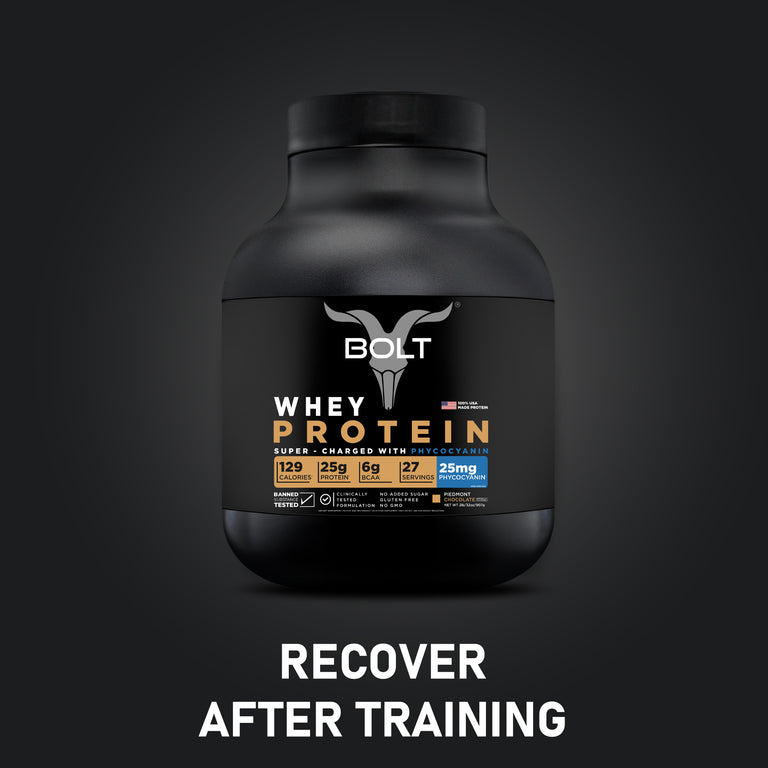
Look for a whey isolate or clean whey protein with roughly:
✔️ 100–130 calories per scoop
✔️ 20–25g protein per serving
✔️ little to no added sugar
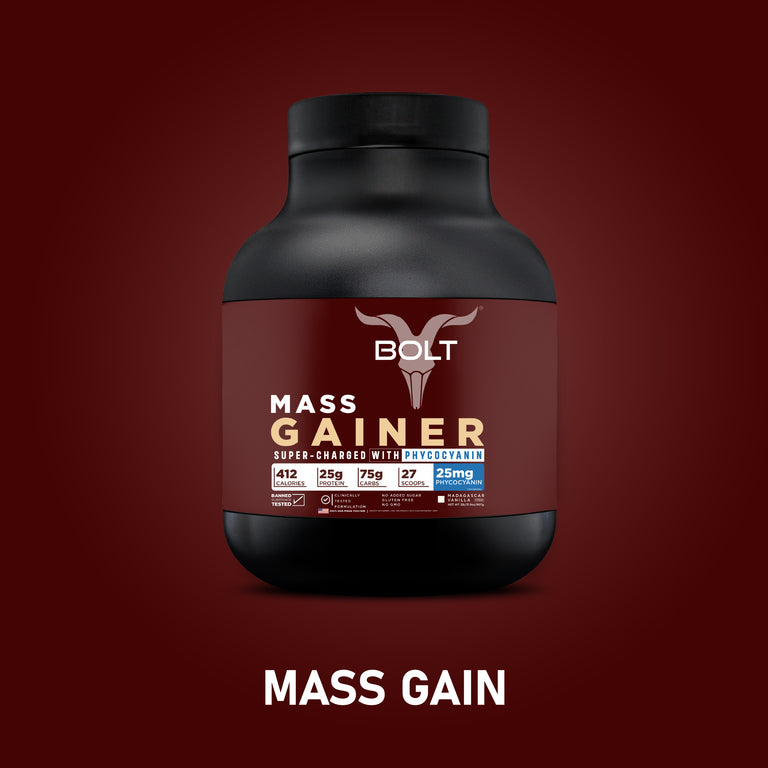
Avoid high-sugar “mass gainer” shakes if your goal is weight control.
2. Replace a Snack — Don’t Add Extra Meals
Use protein shakes as:
a snack replacement
or
a post-workout refuel
Example:
Instead of biscuits or fried snacks — have a protein shake.
This keeps your total daily calories balanced.
3. Track Your Daily Protein Intake
General guideline:
1.2–1.6g protein per kg body weight/day
(For active individuals)
So if you weigh 60kg, aim for 72–96g protein daily from food + shakes.
4. Mix With Water or Low-Calorie Milk
Mixing protein with:
✔️ water
✔️ low-fat milk
✔️ almond or soy milk (unsweetened)
…helps keep calories low.
Avoid:
❌ ice-cream
❌ sugar syrups
❌ high-calorie desserts
because they turn your shake into a calorie bomb.
5. Stay Active & Build Lean Muscle
Strength training + protein helps:
🔥 boost metabolism
💪 preserve & build lean muscle
Muscle burns more calories even at rest — meaning you stay leaner long-term.
Common Mistakes That Lead to Weight Gain
Avoid these traps:
🚫 Adding too many extra scoops
🚫 Drinking shakes plus calorie-heavy meals
🚫 Using mass gainers unknowingly
🚫 Not exercising at all
🚫 Ignoring your total calorie intake
Protein works best with balanced nutrition + workouts.
Is Protein Safe?
Protein powder is generally safe for healthy individuals when used responsibly.
However, consult a doctor if you have:
• kidney or liver issues
• medical conditions
• special dietary requirements
And pregnant or breastfeeding women should seek medical advice first.
Conclusion:
Protein does NOT cause weight gain by itself. What matters is your total daily calorie intake.
✔️ Use 1 scoop daily (or as needed)
✔️ Replace snacks — don’t add extra calories
✔️ Stay active
✔️ Maintain a balanced diet
Do this — and protein will help you stay lean, toned, and healthy.
Frequently Asked Questions
Q1. Will protein powder make me fat?
No — only excess calories cause fat gain. Protein helps control hunger and support lean muscle.
Q2. Can I take protein powder if I am not going to the gym?
Yes — but make sure it fits into your daily calorie needs.
Q3. What is the best time to drink protein for weight control?
👍 Post-workout
or
👍 As a snack replacement
Both work well.
Q4. Is whey protein better for weight loss?
Whey isolate or low-calorie whey protein works great because it's high in protein and low in carbs/fats.
Q5. How many scoops should I take?
Most people do well with:
1 scoop per day (20–25g protein)
Increase only if your diet lacks enough protein.
