




How Whey Protein Works in the Body (Complete Guide)
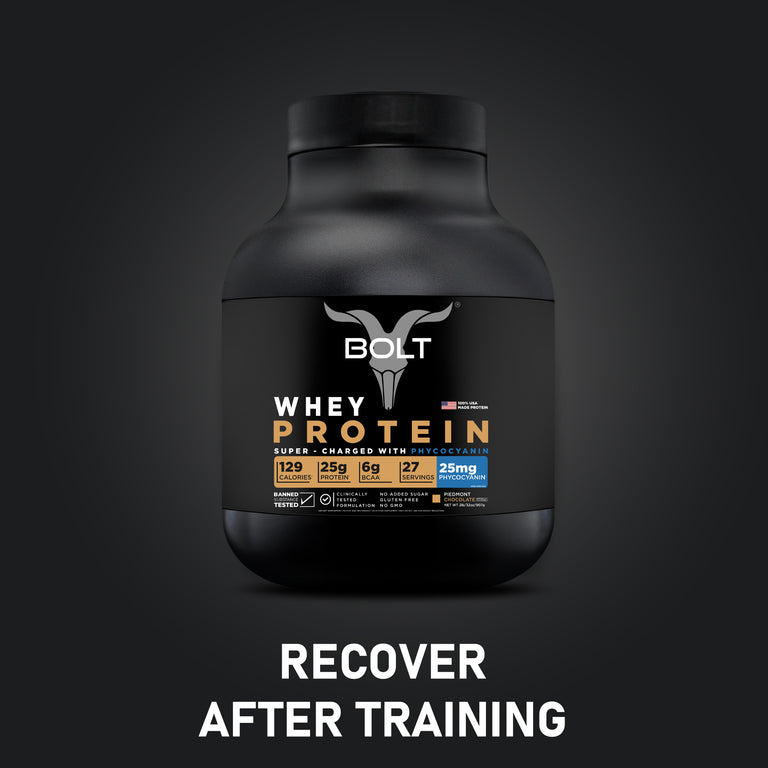
byWhey protein is one of the most popular and effective supplements in the fitness industry. But many people still ask: how whey protein works in the body?
Understanding the journey of whey protein—from digestion to muscle recovery—can help you use it more effectively for fat loss, muscle gain, and overall health.
What is Whey Protein?
Whey protein is a high-quality, fast-digesting protein derived from milk. It contains all essential amino acids and is especially rich in BCAAs (Branched-Chain Amino Acids), which are crucial for muscle repair and growth.
Step-by-Step: How Whey Protein Works in the Body
1. Digestion Begins in the Stomach
Once you consume whey protein, it enters the stomach where digestive enzymes break it down into smaller peptides.
2. Absorption in the Small Intestine
The broken-down protein is further processed into amino acids and absorbed into the bloodstream through the small intestine.
3. Amino Acid Delivery
These amino acids are transported to different parts of the body, especially muscles, where they are needed for repair and growth.
4. Muscle Protein Synthesis
Whey protein triggers muscle protein synthesis—a process where new muscle fibers are built, helping in recovery and growth.
Why Whey Protein is Fast-Acting
One of the biggest advantages of whey protein is its fast absorption rate. This makes it ideal for:
-
Post-workout recovery
-
Quick muscle repair
-
Immediate nutrient delivery
Compared to other protein sources, whey protein reaches muscles faster, making it highly effective.
👇 Check Related Product:
Bolt whey protein sachets pack of 5
Bolt whey isolate protein sachets pack of 5
Whey Protein's Health Benefits
1. Supports Muscle Growth
Whey protein provides essential amino acids required for building lean muscle.
2. Aids in Weight Loss
It helps reduce hunger and boosts metabolism, making it effective for fat loss.
3. Improves Recovery
Reduces muscle soreness and speeds up recovery after workouts.
4. Enhances Overall Health
Supports immunity, skin health, and hair strength.
How Long Does Whey Protein Take to Work?
-
Digestion starts within minutes
-
Amino acids enter bloodstream within 30–60 minutes
-
Muscle recovery begins post-workout immediately
Consistency is key—results are visible over weeks of proper use.
Best Time to Take Whey Protein
-
Post-workout → for muscle recovery
-
Morning → to break overnight fasting
-
Between meals → to meet daily protein needs
Who Should Take Whey Protein?
-
Gym-goers and athletes
-
People aiming for weight loss
-
Individuals with low protein intake
-
Busy professionals
Common Myths About Whey Protein
Myth 1: Bodybuilders are the only ones who can use whey protein
Truth: It’s beneficial for anyone needing protein support.
Myth 2: It works instantly
Truth: It supports processes that show results over time.
Conclusion
Understanding how whey protein works in the body helps you use it more effectively. From digestion to muscle repair and fat loss, whey protein plays a crucial role in improving overall fitness and health.
When combined with a balanced diet and proper training, it becomes a powerful tool for achieving your fitness goals.
