


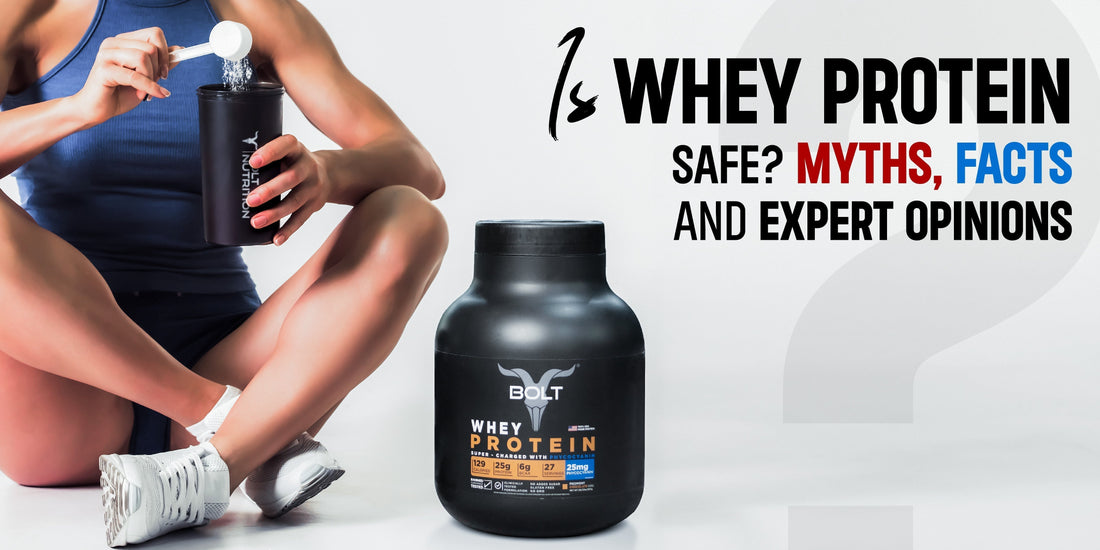

Is Whey Protein Safe? Myths, Facts, and Expert Opinions
byWhey protein is a popular supplement for muscle building, recuperation, and overall nutrition. However, many misconceptions surround its safety, leading to confusion among fitness enthusiasts. This guide will address common misconceptions, examine scientific information, and offer expert insights on whey protein safety.
What is Whey Protein?
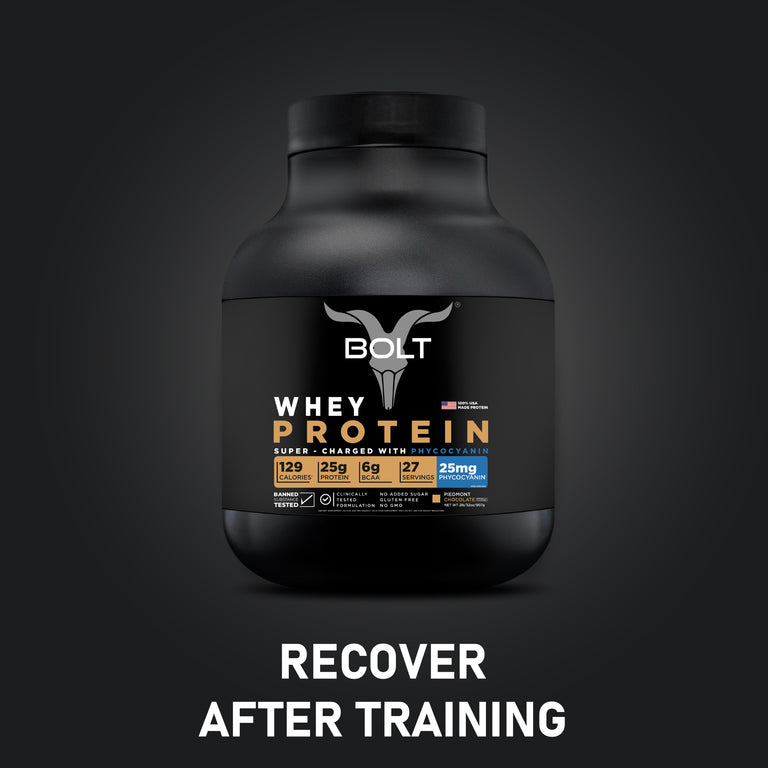
Whey protein is a premium-quality protein derived from milk during the cheese production process. It includes all nine essential amino acids, making it a complete protein that is optimal for muscle growth, recovery, and overall health.
Types of Whey Protein:
- Whey Protein Concentrate (WPC) – consists of 70-80% protein, as well as some fat and lactose.

- Whey Protein Isolate (WPI) – More than 90 percent protein with low fat and lactose.

-
Hydrolysate Whey (WPH) – Pre-digested for improved absorption.
Common Myths & Facts About Whey Protein Safety
Myth #1: Whey Protein Harms Kidneys
Fact: Whey protein does not pose a risk to healthy kidneys. Kidney damage concerns apply only to individuals with pre-existing kidney disease. Multiple studies confirm that high-protein diets do not harm kidney function in healthy individuals.
Myth #2: Whey Protein Causes Liver Damage
Fact: There is no evidence that whey protein harms the liver in healthy people. In fact, protein supports liver function and helps with muscle repair and immune function.
Myth #3: Whey Protein Leads to Weight Gain & Fat Storage
Fact: Whey protein supports weight loss by promoting muscle retention and satiety. It helps burn more calories and reduces hunger, making it a great option for weight management.
Myth #4: Whey Protein Causes Acne & Skin Issues
Fact: Some individuals may experience acne due to hormonal responses to dairy, but this varies from person to person. Switching to whey isolate or plant-based protein can help those who are sensitive.
Myth #5: Whey Protein is Just for Bodybuilders
Fact: Whey protein benefits everyone, including athletes, seniors, and individuals looking to improve overall health. It aids muscle recovery, immunity, and weight management.
Expert Opinions on Whey Protein Safety
Safe for Long-Term Use
Research supports whey protein as a safe and effective supplement for long-term use with no negative effects on healthy individuals.
No Link to Bone Loss
Contrary to myths, whey protein does not cause calcium loss or weaken bones. In fact, higher protein intake supports bone density.
Digestive Sensitivity Considerations
For those with lactose intolerance, whey isolate or hydrolyzed whey is a better option, as they contain little to no lactose.
Who Should Be Cautious with Whey Protein?
- Individuals diagnosed with kidney disease are advised to consult a medical professional prior to increasing their protein intake.
- Those with severe dairy allergies should opt for plant-based protein alternatives.
- People with pre-existing liver conditions should get medical advice before supplementation.
How to Safely Use Whey Protein
✅ Choose a high-quality whey protein (minimal additives, no artificial fillers).
✅ Follow recommended dosages (20-30g per serving is ideal for most people).
✅ Drink plenty of water for improved digestion and nutrition absorption.
✅ Pair it with a balanced diet for best results.
✅ If lactose-sensitive, go for whey isolate or hydrolysate.
Conclusion
Whey protein is a safe, effective supplement with many health benefits. While myths and misconceptions exist, scientific evidence and expert opinions confirm that whey protein is a great addition to a balanced diet.
FAQ – Whey Protein Safety & Usage
1. Can I take whey protein every day?
Yes! Whey protein is a safe daily supplement when consumed in moderation.
2. Does whey protein cause bloating?
For some people, whey concentrate may cause bloating due to lactose. Switching to whey isolate can help.
3. Is whey protein bad for the heart?
No! Whey protein has been shown to support heart health by reducing blood pressure and improving cholesterol levels.
4. Can pregnant women take whey protein?
Yes, but it’s best to consult a doctor to ensure it fits within dietary needs during pregnancy.
5. Can I take whey protein if I don’t work out?
Absolutely! Whey protein supports overall health, muscle maintenance, and satiety, even if you’re not hitting the gym.
