




Mass Gainer vs Lean Gainer: Which One Is Right for You?
byIf you've ever walked into a supplement store or browsed sports nutrition products online, you've probably come across two popular categories: Mass Gainers and Lean Gainers. At first glance, they may seem similar because both are designed to support muscle growth and weight gain. However, choosing the wrong product for your body type and fitness goals can slow your progress, increase unwanted fat gain, and leave you disappointed with your results.
The truth is that neither a Mass Gainer nor a Lean Gainer is universally better. The right choice depends on your metabolism, current body composition, calorie requirements, and long-term physique goals. Understanding the differences between these two supplements can help you invest in the product that aligns with your transformation journey rather than simply following market trends.
Understanding the Role of Gainer Supplements
Building muscle requires a combination of progressive resistance training, sufficient protein intake, adequate calories, quality sleep, and consistency. Many people struggle to consume enough calories and nutrients through regular meals alone, especially individuals with busy schedules, high activity levels, or naturally fast metabolisms. This is where gainer supplements become useful.
Gainers are formulated to provide concentrated nutrition in a convenient shake. They help bridge nutritional gaps and support muscle recovery, performance, and growth. While both Mass Gainers and Lean Gainers serve this purpose, their nutritional composition and intended outcomes differ significantly.
What Is a Mass Gainer?
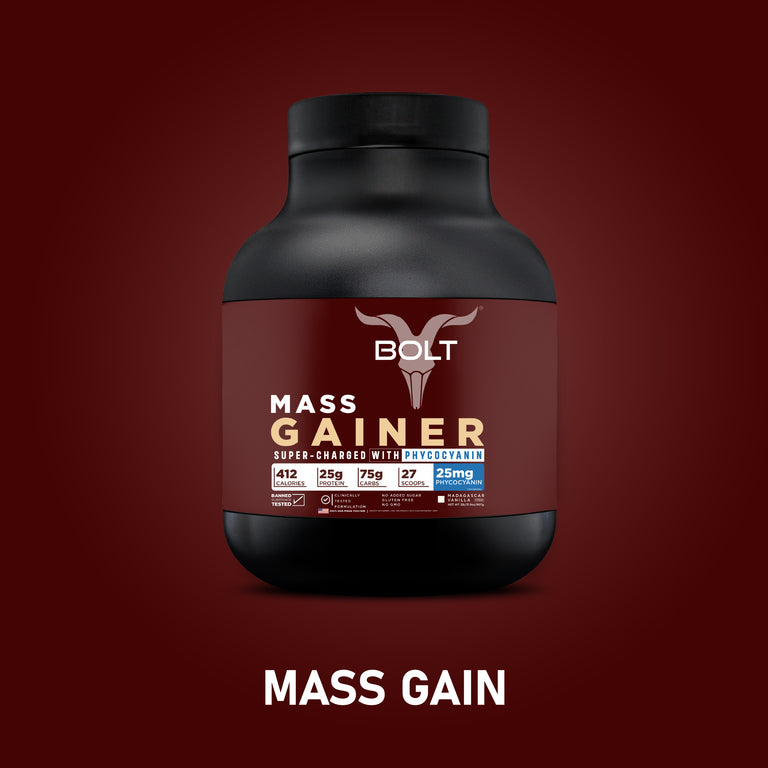
A Mass Gainer is a high-calorie supplement designed primarily for individuals who struggle to gain body weight and muscle mass. These products typically contain a large amount of carbohydrates, moderate-to-high protein, healthy fats, and additional vitamins and minerals. The goal is simple: create a calorie surplus that allows the body to gain weight more efficiently.
For many hardgainers, eating enough food to gain weight can be challenging. They may have fast metabolisms, smaller appetites, or lifestyles that make frequent meals difficult. A Mass Gainer provides a practical solution by delivering hundreds, and sometimes over a thousand, calories in a single serving.
Since carbs give the body energy and play a major role in the calorie excess needed for weight growth, the majority of mass gainers place a lot of emphasis on carbohydrate content. Protein supports muscle repair and growth, while fats add additional calories and help maintain hormonal function.
When combined with proper strength training, a Mass Gainer can support increases in body weight, muscle size, and overall training performance. However, because of its high calorie content, it can also contribute to fat gain if consumed excessively or without proper calorie management.
Who Should Consider a Mass Gainer?
Mass Gainers are often ideal for naturally skinny individuals who find it difficult to put on weight despite eating regularly. These individuals are commonly referred to as hardgainers. They may train consistently but struggle to see significant increases in body weight or muscle size because they burn calories very quickly.
Athletes in a dedicated bulking phase can also benefit from Mass Gainers. During bulking, the objective is to maximize muscle growth by consuming more calories than the body burns. A Mass Gainer helps achieve this calorie surplus more conveniently than relying entirely on whole foods.
Young athletes, physically active individuals, and those involved in high-volume training programs may also find Mass Gainers beneficial due to their increased energy requirements.
What Is a Lean Gainer?
A Lean Gainer is a more balanced muscle-building supplement designed for individuals who want to gain quality muscle while minimizing fat accumulation. Unlike traditional mass gainers, lean gainers typically contain moderate calories, higher protein ratios, controlled carbohydrate levels, and lower fat content.
The primary purpose of a Lean Gainer is to support lean muscle development rather than aggressive weight gain. It provides enough calories to assist muscle growth without dramatically increasing overall calorie intake.
Lean gainers are particularly appealing to fitness enthusiasts who want to improve body composition while maintaining a lean and athletic appearance. Instead of focusing on rapid weight gain, these products emphasize gradual muscle development and controlled calorie consumption.
Many lean gainers use high-quality protein sources such as whey protein concentrate, whey isolate, or blended proteins, combined with complex carbohydrates that provide sustained energy without excessive calorie loading.
Who Should Consider a Lean Gainer?
Lean Gainers are often the preferred choice for individuals who gain body fat easily. Some people can increase weight quickly, but a significant portion of that gain comes from fat rather than muscle. For such individuals, consuming a traditional Mass Gainer may accelerate fat accumulation.
Fitness enthusiasts pursuing a lean bulk also benefit from Lean Gainers. A lean bulk aims to maximize muscle growth while minimizing fat gain by maintaining a moderate calorie surplus rather than an aggressive one.
Individuals who already have a reasonable body weight and are looking to improve muscle definition, strength, and overall physique often find Lean Gainers to be a more suitable option than high-calorie alternatives.
The Real Difference Between Mass Gainer and Lean Gainer
The most significant difference between a Mass Gainer and a Lean Gainer lies in their calorie and macronutrient composition. Mass Gainers are built around calorie density. They provide a large amount of carbohydrates and overall calories to support substantial weight gain. Lean Gainers, on the other hand, prioritize protein content and controlled calories to encourage lean muscle growth.
A typical serving of a Mass Gainer may provide anywhere from 600 to 1,200 calories or more, whereas a Lean Gainer generally ranges between 250 and 600 calories per serving. This difference can dramatically affect your overall daily calorie intake and ultimately determine whether you gain mostly muscle, a combination of muscle and fat, or maintain a leaner physique.
Another important distinction is the rate of progress. Mass Gainers often produce faster changes on the scale because of the larger calorie surplus. Lean Gainers help users to gradually gain muscle while keeping a better body composition. They usually produce slower but cleaner results.
Which Supplement Is Better for Muscle Growth?
Both Mass Gainers and Lean Gainers can support muscle growth when combined with adequate training and nutrition. The deciding factor is whether your body requires a large calorie surplus or a moderate one.
If your primary challenge is consuming enough calories to grow, a Mass Gainer may help unlock better progress by providing the extra energy your body needs. However, if your calorie intake is already sufficient and your goal is to maximize muscle quality rather than overall weight gain, a Lean Gainer may produce better long-term results.
Muscle growth ultimately depends on progressive overload in training, sufficient protein intake, recovery, and overall nutritional consistency. Supplements should support these fundamentals rather than replace them.
Common Mistakes People Make When Choosing a Gainer
One of the most common mistakes is selecting a Mass Gainer simply because the label promises rapid gains. Many individuals purchase high-calorie gainers without considering their actual calorie needs. As a result, they gain excess body fat instead of quality muscle.
Another frequent mistake is assuming that more calories automatically mean more muscle. While calories are necessary for growth, excessive calorie intake beyond what the body can effectively utilize often leads to unwanted fat accumulation.
Some users also neglect their regular meals and rely heavily on gainers as meal replacements. Supplements should complement a well-structured diet rather than serve as the foundation of daily nutrition.
How to Decide Which One Is Right for You
The easiest way to determine whether you need a Mass Gainer or a Lean Gainer is to evaluate your body type, metabolism, and current progress.
If you have a naturally thin frame, struggle to gain weight, and find it difficult to eat enough calories each day, a Mass Gainer may help you achieve your goals faster. On the other hand, if you are already close to your desired weight and want to add muscle without significantly increasing body fat, a Lean Gainer is usually the better option.
Your training style can also influence the decision. Strength athletes, powerlifters, and individuals in aggressive bulking phases often benefit from Mass Gainers, while fitness enthusiasts, physique competitors, and those focused on aesthetics generally prefer Lean Gainers.
Mass Gainer vs Lean Gainer
The debate between Mass Gainer and Lean Gainer is not about determining which supplement is superior. It is about identifying which supplement aligns with your specific fitness objectives.
A Mass Gainer is designed for individuals who need substantial calories to support weight gain and muscle growth. It is particularly useful for hardgainers, athletes with high energy demands, and those pursuing traditional bulking strategies.
A Lean Gainer is formulated for individuals seeking controlled muscle development with minimal fat gain. It supports lean bulking, body recomposition, and gradual improvements in muscle mass while maintaining a more athletic appearance.
Before making a choice, assess your calorie intake, training intensity, body composition, and long-term goals. Selecting the right gainer can help you maximize results, improve recovery, and move closer to the physique you want to achieve.
Frequently Asked Questions
Is a Mass Gainer better than a Lean Gainer?
Not necessarily. Mass Gainers are ideal for rapid weight gain, while Lean Gainers are designed for building muscle with less fat gain.
Can beginners use Lean Gainers?
Yes. Beginners who want controlled muscle growth without excessive calorie intake can benefit from Lean Gainers.
Will a Mass Gainer increase body fat?
A Mass Gainer may contribute to fat gain if total calorie intake significantly exceeds your body's requirements.
Which supplement is better for skinny people?
Individuals with fast metabolisms and difficulty gaining weight often benefit more from a Mass Gainer.
Can I use a Lean Gainer during a cutting phase?
Lean Gainers are generally more suitable for maintenance or lean bulking. During a strict cutting phase, a whey protein supplement may be a more appropriate option.
How many times should I take a gainer daily?
The ideal serving frequency depends on your calorie needs, diet, activity level, and fitness goals. Follow the product label and consult a nutrition professional when necessary.
