





Pre-Workout Side Effects: What You Should Know Before Taking It
byPre-workout supplements are extremely popular among gym-goers because they’re designed to boost energy, endurance, focus, and training intensity.
But many beginners ask the same question:
Is pre-workout supplementation safe, and what potential side effects should be anticipated?
The truth is — most pre-workout supplements are safe for healthy adults when used correctly. However, some ingredients may cause temporary or uncomfortable side effects, especially if you take too much or your body isn’t used to them.
This guide will help you understand common pre-workout side effects, why they happen, and how to use pre-workout safely.
What’s Inside Pre-Workout?
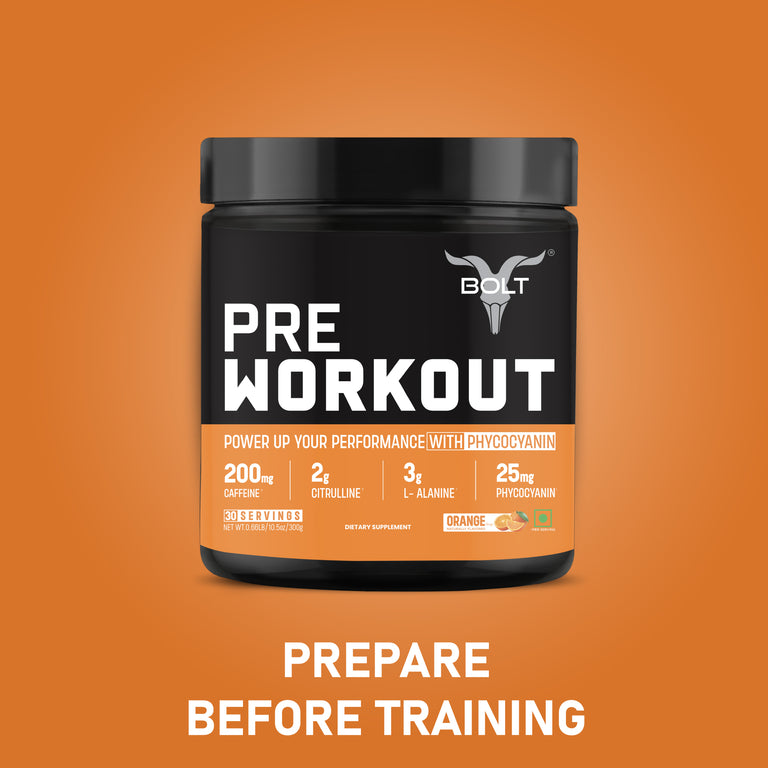
The majority of pre-workout supplements are formulated with a combination of ingredients, including:
✔ Caffeine — boosts energy and alertness
✔ Beta-Alanine — supports endurance
✔ Creatine — supports strength and power
✔ Arginine / L-Citrulline — improves pump & blood flow
✔ BCAAs or amino acids — support recovery
✔ Electrolytes — hydration support
While these ingredients can be effective, they may also trigger certain pre-workout side effects — especially in beginners.
Common Pre-Workout Side Effects
Here are the side effects people most often experience
1️⃣ Tingling or Itching (Beta-Alanine Effect)
Many users feel a tingling, crawling, or itchy sensation on the skin — especially on the face, neck, or hands.
This is called paresthesia and it’s caused by beta-alanine, a common endurance ingredient.
Is it harmful?
No — it’s harmless and temporary
It usually fades within 30–60 minutes
How to reduce it:
✔ Choose a lower-dose pre-workout
✔ Or split your scoop into smaller doses
2️⃣ Jitters, Anxiety, or Restlessness (From Caffeine)
Most pre-workouts contain high caffeine — sometimes equal to 2–3 cups of coffee in one serving.
High caffeine may cause:
⚡ nervousness
⚡ shaky hands
⚡ fast heartbeat
⚡ anxiety
⚡ difficulty sleeping
Reduce risk by:
✔ Starting with ½ scoop as a beginner
✔ Avoiding coffee + energy drinks the same day
✔ Not taking pre-workout late in the evening
3️⃣ Increased Heart Rate or Blood Pressure
Combinations of caffeine and other stimulants may briefly raise both heart rate and blood pressure.
Avoid pre-workout if you have:
🚫 heart problems
🚫 high blood pressure
🚫 arrhythmia
🚫 are on heart medication
4️⃣ Stomach Upset or Bloating
Some people experience:
- nausea
- cramps
- diarrhea
This may be caused by:
• high caffeine
• sodium bicarbonate
• artificial sweeteners
• concentrated ingredients taken on an empty stomach
Prevent it by:
✔ Eating a light snack 30–60 mins before
✔ Drinking enough water
✔ Reducing the serving size
5️⃣ Dehydration
Caffeine has a mild diuretic effect, meaning you may lose fluids faster.
Stay safe by:
Drinking plenty of water before, during, and after workouts
6️⃣ Sleep Problems
Taking pre-workout late in the day can disrupt sleep quality.
Best rule:
Avoid pre-workout within 6–8 hours of bedtime. Always talk to your doctor first if unsure.
Who Should NOT Take Pre-Workout Without Medical Advice?
Consult your doctor first if you:
- are pregnant or breastfeeding
- are under 18
- have heart, liver, or kidney problems
- have anxiety or panic disorder
- have high blood pressure
- are caffeine-sensitive
- take prescription medication
Your health always comes first.
How to Use Pre-Workout Safely
Here are simple safety tips:
✔ Start with ½ scoop if you’re a beginner
✔ Check total daily caffeine intake
✔ Read ingredient labels carefully
✔ Stay hydrated
✔ Do not exceed recommended serving size
✔ Avoid mixing multiple stimulant products
✔ Choose a trusted, tested brand
Do You Even Need Pre-Workout?
Pre-workout is not essential — it’s simply a tool.
You may benefit if you:
✔ Train early or after a long day
✔ Need help with focus & energy
✔ Train intensely
But good sleep, nutrition, and hydration should always come first.
Conclusion
Pre-workout can be safe and helpful — when used correctly.
But like any supplement, it can cause side effects such as tingling, jitters, stomach discomfort, or sleep issues.
Start slow, respect your caffeine tolerance, and always listen to your body.
If you ever feel unwell, dizzy, or experience chest pain — stop immediately and seek medical advice.
Frequently Asked Questions (FAQ)
1️⃣ Is pre-workout safe to take every day?
Most healthy adults can — but it’s better to cycle off occasionally to avoid caffeine dependence.
2️⃣ Can beginners use pre-workout?
Yes — but start with a small dose and assess tolerance.
3️⃣ Why do I feel itchy after taking pre-workout?
That’s beta-alanine tingling — harmless and temporary.
4️⃣ Can pre-workout damage kidneys or liver?
Normal doses are generally safe for healthy adults — but avoid if you have medical conditions or are under treatment.
5️⃣ Can I mix pre-workout with coffee?
It’s better to avoid — this can lead to excess caffeine intake.
6️⃣ What’s the best time to take pre-workout?
Usually 20–30 minutes before training.
