





Protein for Endurance Sports How It Works?
byWhen people think about endurance sports like running, cycling, or swimming, they usually think of carbohydrates. But protein for endurance sports plays an equally important role in performance, recovery, and muscle preservation.
While carbs fuel your workout, protein repairs your body.
Let’s understand how it works.
Why Endurance Athletes Need Protein
Endurance training causes:
-
Muscle fiber breakdown
-
Glycogen depletion
-
Increased oxidative stress
-
Immune system strain
Without adequate protein intake, recovery slows down, muscle loss increases, and performance declines.
Protein supports:
-
Muscle repair
-
Reduced soreness
-
Improved adaptation
-
Faster recovery between sessions
How Protein Works During Endurance Training
During long-duration exercise, your body uses carbohydrates as the main energy source. But when glycogen stores drop, small amounts of protein may also be used for energy.
Post workout, protein helps:
-
Rebuild damaged muscle fibers
-
Stimulate muscle protein synthesis
-
Reduce muscle breakdown
-
Improve recovery speed
This is why protein timing matters.
How Much Protein Do Endurance Athletes Need?
General population:
0.8g per kg body weight
Endurance athletes:
1.2g to 1.6g per kg body weight daily
For example:
If you weigh 70kg → 85–110g protein daily
Spreading protein intake throughout the day improves muscle recovery and performance adaptation.
Best Time to Take Protein Powder for Endurance Sports
-
Post workout (within 30–60 minutes)
-
Before long training sessions (light protein + carbs)
-
Before bed (for overnight recovery)
Post-workout protein combined with carbohydrates improves glycogen replenishment and muscle repair.
Whey Protein for Endurance Training
Whey protein is ideal because:
-
Fast absorption
-
High leucine content
-
Supports muscle repair
-
Convenient post workout
For athletes training daily or twice per day, whey protein helps meet daily protein targets efficiently.
Example placement:
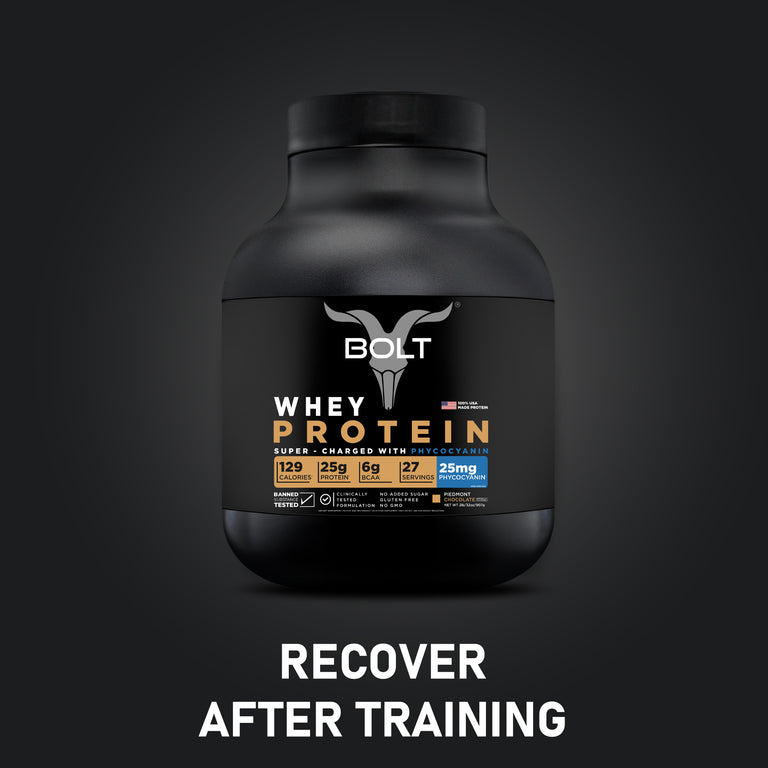
After intense running or cycling sessions, adding Bolt Whey Protein post workout can support faster muscle recovery and improved endurance adaptation.
Protein vs Carbs for Endurance Athletes
Carbohydrates = fuel
Protein = repair and recovery
Both are essential.
Ignoring protein can lead to:
-
Overtraining
-
Increased injury risk
-
Slower recovery
-
Muscle loss
A balanced macronutrient strategy works best.
Common Myths About Protein for Endurance Sports
Myth 1: Only bodybuilders need protein
Fact: Endurance athletes need protein for muscle preservation.
Myth 2: Protein slows runners down
Fact: Adequate protein supports recovery and improves performance consistency.
Myth 3: Carbs are enough
Fact: Carbs fuel workouts, but protein repairs muscle damage.
Conclusion
Protein for endurance sports is not optional — it is essential.
While carbohydrates power your workout, protein ensures your body recovers, adapts, and performs better in the long term.
For serious endurance athletes, combining proper diet with strategic protein supplementation delivers the best results.
FAQ-
1. Do endurance athletes need protein?
Yes, endurance athletes require more protein than sedentary individuals to support muscle repair, recovery, and performance adaptation.
2. Is whey protein good for runners?
Yes, whey protein is beneficial for runners because it provides fast-absorbing amino acids that support muscle recovery after long-distance training.
3. Can protein improve endurance performance?
Protein does not directly increase endurance fuel like carbohydrates, but it improves recovery and muscle preservation, which enhances long-term performance.
4. How much protein should runners take daily?
Runners should aim for 1.2g to 1.6g of protein per kg of body weight daily depending on training intensity.
