



Protein Intake for Indian Diets: A Complete Guide
byProtein is one of the most essential nutrients for building muscle, maintaining strength, and supporting overall health. However, many people following an Indian diet especially vegetarian often fall short of their daily protein requirements.
If you’re wondering how to optimize your protein intake while sticking to Indian food habits, this guide will help you understand everything—from daily needs to practical meal planning.
Why Protein is Important
Protein plays a critical role in:
- Muscle growth and repair
- Fat loss and metabolism
- Hormone production
- Immunity and recovery
Without adequate protein intake, you may experience:
- Fatigue
- Muscle loss
- Slow recovery
- Poor fitness results
Daily Protein Requirement For Indian
Your protein requirement depends on your lifestyle:
General Guidelines:
- Sedentary individuals: 0.8–1.0 g/kg body weight
- Active individuals: 1.0–1.5 g/kg
- Fat loss / muscle building: 1.5–2.2 g/kg
👉 Example:
If your weight is 70 kg →
You need 70–140g protein daily (depending on goal)
Why Indian Diets Are Low in Protein
Traditional Indian diets are rich in:
- Carbohydrates (rice, roti)
- Fats (oil, ghee)
But often lack sufficient protein because:
- Limited high-protein vegetarian sources
- Low portion sizes of dal/pulses
- Over-dependence on carbs
Best Protein Sources in Indian Diet
1. Vegetarian Protein Sources
Dals & Pulses
- Moong dal
- Toor dal
-
Masoor dal
👉 ~6–9g protein per serving
Paneer (Cottage Cheese)
- ~18g protein per 100g
- Great for muscle building
Curd / Yogurt
- ~8–10g protein per bowl
- Supports digestion
Soy Products
- Soya chunks: ~50g protein per 100g
- Tofu: ~10g per 100g
Nuts & Seeds
- Almonds, peanuts, chia seeds
- Good protein + healthy fats
2. Non-Vegetarian Protein Sources
- Eggs (6g per egg)
- Chicken breast (~25g per 100g)
- Fish (~20g per 100g)
3. Supplements (Convenient Option)
For busy lifestyles:
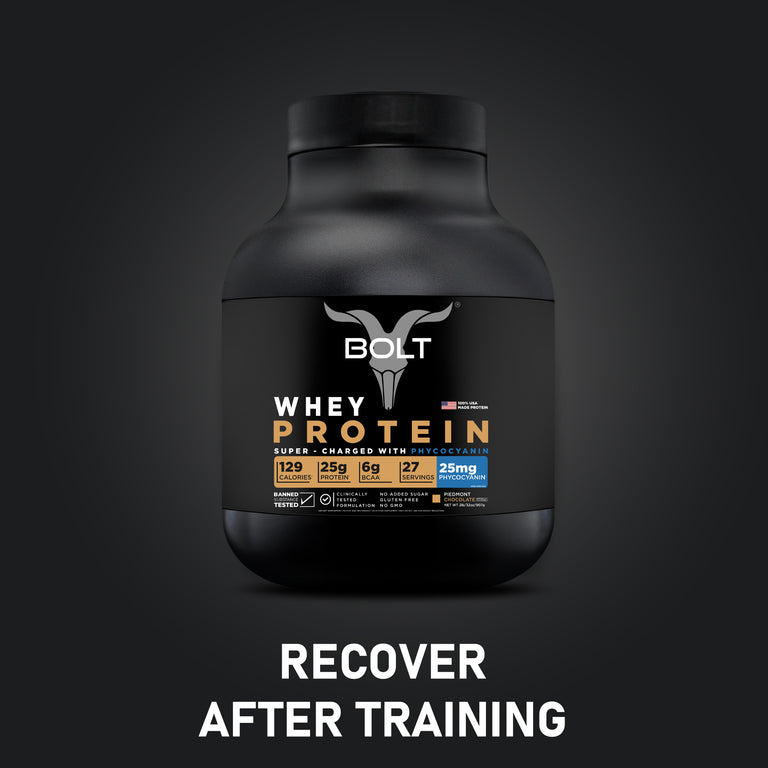
- Whey protein
- Plant protein
👉 Helps easily meet daily protein goals without heavy meal prep.
Sample High-Protein Indian Diet Plan
Morning (Breakfast)
- Paneer paratha / Moong chilla
- 1 glass milk
Mid-Morning Snack
- Handful of nuts
- Fruit
Lunch
- 2 roti + dal + sabzi
- Curd
Evening Snack
- Roasted chana / sprouts salad
Post-Workout
- Whey protein shake
Dinner
- Paneer / tofu / chicken + vegetables
How to Increase Protein in Indian Diet
Add protein to every meal, Increase portion of dal/paneer, Include snacks like roasted chana, Use whey protein if needed, Replace refined carbs with protein-rich options
Common Mistakes to Avoid
Eating mostly carbs (roti + rice heavy meals), Ignoring protein in breakfast, Not tracking protein intake, Relying only on dal for protein, Skipping post-workout nutrition
Protein Timing: Does It Matter?
Yes, spreading protein intake throughout the day helps:
- Better muscle synthesis
- Improved recovery
- Sustained energy
👉 Aim for 20–30g protein per meal
Vegetarian vs Non-Vegetarian Protein: Which is Better?
- Non-veg protein = complete amino acid profile
- Veg protein = needs combination (dal + rice, roti + paneer)
👉 Both can work if planned properly.
Meeting your protein requirement on an Indian diet is absolutely possible—but it requires intentional planning.
By:
- Choosing the right foods
- Increasing portion sizes
- Adding supplements when needed
You can easily achieve your fitness goals—whether it’s fat loss, muscle gain, or overall health.
Want to hit your daily protein goals easily? Upgrade your diet with high-quality protein sources and smart meal planning.
FAQ Section
How can vegetarians complete protein intake in India?
By combining foods like dal + rice, paneer, soy products, and supplements.
Is whey protein necessary for Indian diets?
Not necessary, but very convenient for meeting protein needs.
Which Indian food has highest protein?
Soya chunks, paneer, and lentils are among the highest.
How much protein is needed daily in India?
Around 0.8–2.2g per kg body weight depending on activity level.
