




Can Whey Protein Help You Gain Weight? Complete Guide to Healthy Muscle Gain
byGaining weight can be surprisingly difficult for many individuals. While some people struggle with fat loss, others find it challenging to increase their body weight despite eating frequently. This often leads to confusion around supplements, especially whey protein, with a common question being: can whey protein help you gain weight?
The short answer is yes, but not in the way most people expect. Whey protein is not a direct weight-gain formula. Instead, it acts as a support system that helps your body build muscle, recover faster, and maintain consistency in your nutrition plan.
To truly understand how whey protein contributes to weight gain, it is important to look beyond myths and focus on how nutrition, calories, and training work together.
Understanding Weight Gain: It’s About Calories First
Weight gain is primarily driven by a calorie surplus. This means you need to consume more calories than your body burns daily. Without this surplus, gaining weight is nearly impossible, regardless of how much protein you consume.
However, not all weight gain is desirable. Simply increasing calories without structure can lead to fat accumulation rather than muscle growth. This is why the focus should always be on gaining lean muscle mass instead of just increasing body weight.
Protein plays a key role in this process. It provides the building blocks your body needs to repair muscle tissue after workouts. But protein alone does not create weight gain it supports the process when combined with the right calorie intake and resistance training.
What is Whey Protein and Why is it Popular?
Whey protein, obtained from milk in the process of making cheese, is considered a premium source of protein. It is widely used in fitness and sports nutrition because of its fast absorption and rich amino acid profile.
One of the biggest advantages of whey protein is its ability to deliver essential amino acids quickly to the muscles. This makes it especially useful after workouts when your body needs nutrients for recovery.
Whey protein is also convenient. For individuals who struggle to meet their daily protein requirements through whole foods, it provides an easy and efficient solution without the need for large meals.
How Whey Protein Helps in Weight Gain
Whey protein contributes to weight gain indirectly by supporting muscle growth and improving recovery. When you perform resistance training, your muscles experience small amounts of damage. The body repairs this damage using amino acids, which leads to stronger and larger muscles over time.
By providing a consistent source of protein, whey protein ensures that your body has the necessary nutrients to carry out this repair process effectively.
Additionally, whey protein helps increase overall calorie intake. Many individuals who struggle to gain weight find it difficult to eat large quantities of food. Whey protein shakes can be combined with calorie-dense ingredients such as milk, oats, peanut butter, and fruits, making it easier to consume more calories without discomfort.
Muscle Gain vs Fat Gain: What’s the Difference?
One of the biggest misconceptions about weight gain is assuming that all weight gain is beneficial. In reality, there is a significant difference between gaining fat and building muscle.
When you gain muscle, your body becomes stronger, more defined, and more efficient. Muscle tissue also burns more calories than fat, which supports long-term health and performance.
On the other hand, gaining excess fat can lead to poor body composition and reduced fitness levels.
Whey protein helps tilt the balance toward muscle gain rather than fat gain by supporting recovery and muscle protein synthesis. However, this only works when combined with proper training and controlled calorie intake.
How to Use Whey Protein for Weight Gain
Using whey protein correctly is essential for achieving results. Simply consuming protein powder without a plan will not lead to effective weight gain.
The most effective way to use whey protein is by incorporating it into a structured diet plan. It can be consumed after workouts to support recovery or between meals to increase daily protein and calorie intake.
For individuals aiming to gain weight, whey protein can be turned into high-calorie shakes. Adding ingredients like bananas, milk, nuts, and oats can significantly increase calorie content while maintaining nutritional balance.
Consistency is key. Regular intake combined with proper training leads to gradual and sustainable muscle growth.
Best Time to Take Whey Protein for Weight Gain
Timing can enhance the effectiveness of whey protein, although it is not the only factor that matters.
Post-workout is considered one of the best times to consume whey protein because your muscles are more receptive to nutrients. During this period, the body efficiently uses protein to repair and rebuild muscle tissue.
Another effective time is between meals, especially for individuals who find it difficult to eat frequently. Whey protein acts as a convenient supplement to fill nutritional gaps without replacing whole foods.
Common Mistakes to Avoid
Many people believe that consuming more whey protein automatically leads to faster weight gain. This is not true. Excess protein without sufficient calories or training will not produce meaningful results.
Another common mistake is relying solely on supplements while ignoring whole foods. A balanced diet that includes carbohydrates, fats, and micronutrients is essential for overall health and muscle growth.
Lack of consistency is another major issue. Muscle gain takes time, and expecting rapid results can lead to frustration and inconsistency.
Role of Training in Weight Gain
Training is the foundation of muscle gain. Without resistance or strength training, your body has no reason to build additional muscle mass.
Exercises such as weight lifting, bodyweight training, and progressive overload stimulate muscle growth. Whey protein supports this process by providing the nutrients required for recovery.
This highlights an important principle:
Training creates the demand, protein supports the repair, and calories drive the growth.
Who Should Use Whey Protein for Weight Gain?
Whey protein can be beneficial for a wide range of individuals. Beginners who are starting their fitness journey can use it to meet their protein needs more easily.
Hard gainers, or individuals with fast metabolisms, can benefit from whey protein as it helps increase calorie intake without requiring large meals.
Athletes and fitness enthusiasts can use whey protein to improve recovery and maintain performance during intense training phases.
Choosing the Right Whey Protein
Not all whey proteins are the same. Choosing a high-quality product is essential for achieving the best results.
Look for products with high protein content, minimal additives, and good digestibility. Whey protein isolate is often preferred for its purity and faster absorption, while concentrate can be a more budget-friendly option.
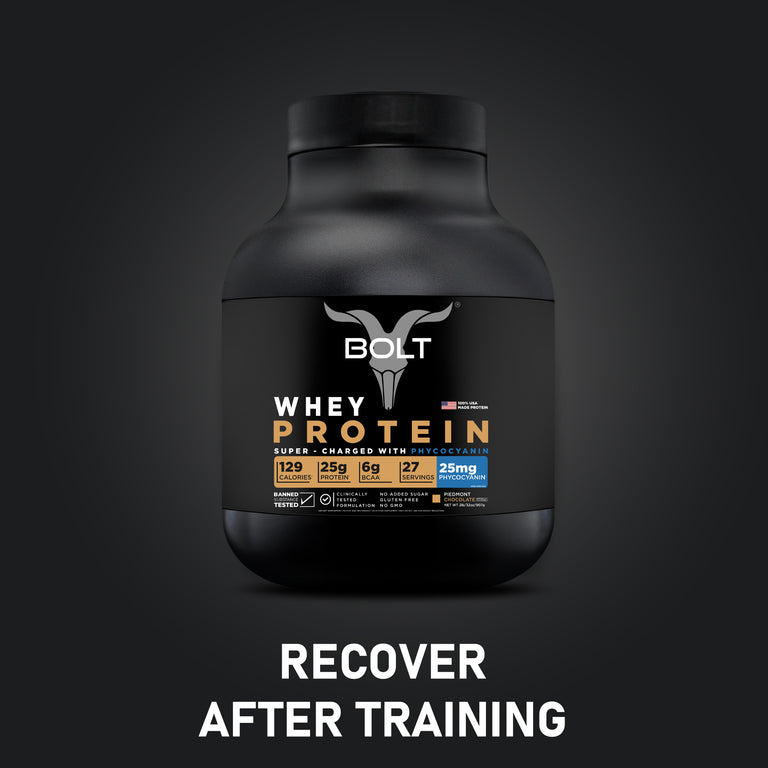
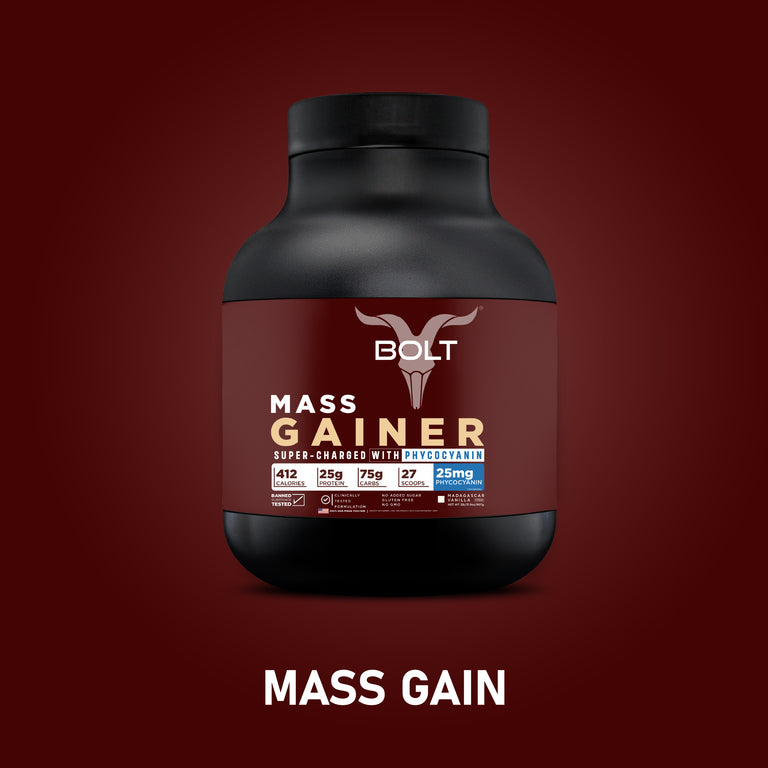
Reliable options like Bolt whey protein for weight gain are designed to support muscle growth, recovery, and overall performance when used as part of a structured routine.
So, Can Whey Protein Make You Gain Weight?
The answer is yes, but only when used correctly.
Whey protein does not directly cause weight gain. Instead, it supports muscle growth, improves recovery, and helps you meet your nutritional requirements. The real drivers of weight gain are calorie surplus, proper training, and consistency.
When combined with a balanced diet and regular strength training, whey protein becomes a powerful tool for building lean muscle mass and achieving healthy weight gain.
Rather than expecting instant results, focus on building a sustainable routine where nutrition, training, and recovery work together. Over time, this approach leads to stronger muscles, better performance, and long-term fitness success.
