




How Whey Protein Helps Burn Fat and Preserve Muscle
byWeight loss is often misunderstood as simply eating less and exercising more. While these factors are important, sustainable and effective fat loss depends on how well you balance your nutrition, especially protein intake. One of the biggest challenges during weight loss is not just reducing body fat, but preserving lean muscle mass.
This is where whey protein becomes a powerful addition to a structured diet plan. Instead of acting as a fat-burning shortcut, whey protein works by supporting muscle retention, improving recovery, and helping you maintain performance during a calorie deficit.
Understanding how whey protein fits into a weight loss strategy can help you use it correctly and avoid common misconceptions.
Understanding Fat Loss and Muscle Preservation
Fat loss occurs when your body is in a calorie deficit, meaning you consume fewer calories than you burn. However, when calories are reduced without proper nutrition, the body may lose both fat and muscle.
Muscle loss can slow down metabolism and negatively impact your overall physique. This is why maintaining adequate protein intake becomes essential during weight loss.
Protein plays a crucial role in muscle repair and maintenance. When combined with resistance training, it helps ensure that your body retains lean muscle mass while losing fat.
This is not just about aesthetics; preserving muscle also supports strength, energy levels, and long-term sustainability.
What is Whey Protein and Why is it Useful for Fat Loss?
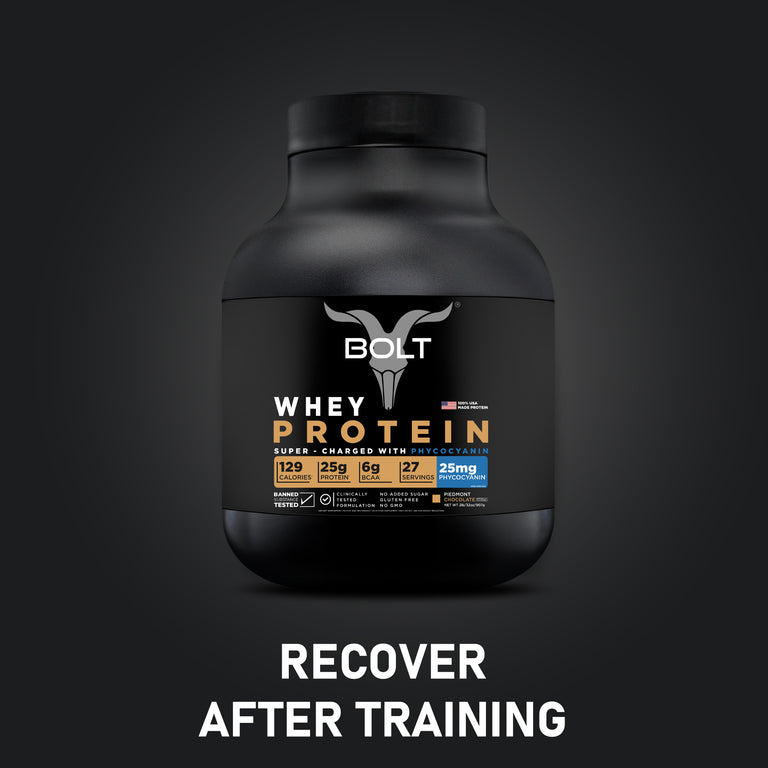
Whey protein is a high-quality protein derived from milk and is known for its fast digestion and complete amino acid profile. It is especially rich in essential amino acids that are required for muscle recovery.
During a calorie deficit, your body is under constant stress due to reduced energy intake and ongoing workouts. Whey protein helps provide the necessary nutrients to support recovery and prevent excessive muscle breakdown.
Its fast absorption makes it particularly effective after workouts, when your body needs immediate nutrients to begin the repair process.
How Whey Protein Supports Weight Loss
Whey protein contributes to weight loss indirectly by supporting key processes that make fat loss more effective and sustainable. One of its most important roles is preserving lean muscle mass. When your body retains muscle, it becomes more efficient at burning calories, even at rest.
Another important benefit of whey protein is its effect on satiety. Protein is known to be more filling compared to carbohydrates or fats. Consuming whey protein can help reduce hunger and control cravings, making it easier to maintain a calorie deficit without feeling deprived.
Additionally, whey protein supports workout performance and recovery. Even during weight loss, maintaining strength training is essential. Protein ensures that your muscles recover properly, allowing you to continue training effectively and avoid performance decline.
It is important to understand that whey protein does not directly burn fat. Instead, it supports the overall process by helping your body function efficiently during a calorie deficit.
The Importance of Diet and Training
While whey protein is beneficial, it cannot replace the fundamentals of weight loss. A calorie deficit remains the primary driver of fat loss, and no supplement can override this principle.
Similarly, exercise plays a crucial role. Resistance training helps preserve muscle, while cardiovascular activity contributes to overall calorie expenditure.
Whey protein fits into this system as a support tool. It helps you meet your daily protein requirements, recover from workouts, and stay consistent with your routine.
Without proper diet and training, relying solely on protein supplementation will not lead to meaningful fat loss results.
When and How to Use Whey Protein for Weight Loss
Whey protein can be used at different times throughout the day depending on your routine. One of the most effective times is after a workout, when your muscles need immediate nutrients for recovery.
It can also be used as a snack or meal replacement in situations where maintaining calorie control becomes difficult. For example, replacing a high-calorie snack with a whey protein shake can help reduce overall calorie intake while still providing essential nutrients.
Additionally, incorporating whey protein into balanced meals or smoothies can improve satiety and help maintain consistency in your diet.
👉 Similar article: Top 10 Bodybuilding Foods to Maximize Your Gains
Common Misconceptions About Whey Protein and Fat Loss
One of the most common misconceptions is that whey protein directly burns fat. In reality, fat loss is driven by calorie balance, not by a single food or supplement.
Another misunderstanding is that consuming more protein automatically leads to faster results. Excess protein intake without proper calorie control will not accelerate fat loss and may even contribute to unnecessary calorie intake.
Whey protein should be viewed as a tool that supports your nutrition strategy rather than replacing it.
