




Why More Cyclists Are Turning to Creatine for Performance, Power & Recovery
byFor years, creatine has been strongly associated with bodybuilding and strength sports. In gyms across the world, it became known as the supplement linked to heavy lifting, muscle pumps and explosive strength. Because of this, many endurance athletes especially cyclists often overlooked creatine entirely.
But modern cycling has evolved dramatically.
Today’s cyclists are not simply riding at a steady pace for hours. Competitive cycling has become increasingly explosive, tactical and performance-driven. Winning moments in cycling rarely happen during comfortable cruising speeds. They happen during sudden attacks, repeated accelerations, sprint finishes, steep climbs and moments where riders are forced to push maximum power under fatigue.
This shift in the demands of cycling performance is one of the biggest reasons creatine is now gaining serious attention among cyclists.
The conversation around creatine in cycling is no longer about bodybuilding. It’s about performance efficiency, recovery quality, repeated power output and training adaptation.
Cycling Is More Than Endurance
Many people assume cycling relies only on aerobic endurance. While endurance is undeniably important, modern cycling constantly requires riders to produce short bursts of explosive power.
Think about the moments that define races:
- attacking on a climb
- sprinting toward the finish line
- accelerating out of corners
- bridging gaps in breakaways
- responding to sudden pace changes
- repeated interval sessions during training
These are not purely endurance-based efforts. They place significant stress on the body’s high-intensity energy systems.
This is exactly where creatine supplementation becomes relevant for cyclists.
Rather than helping riders pedal slowly for hours, creatine may support the explosive moments that often separate strong riders from average ones.
Why Creatine Matters for Cyclists
One of the biggest challenges in cycling is the ability to repeatedly produce high levels of force while already fatigued.
A cyclist may spend hours on the bike, but critical moments still demand:
- rapid acceleration
- explosive sprinting
- muscular endurance
- repeated hard efforts
- sustained interval performance
Creatine supports the body’s rapid energy system, helping muscles regenerate energy faster during short-duration, high-intensity efforts.
For cyclists, this can translate into:
- stronger sprint finishes
- better repeated efforts
- improved interval quality
- reduced decline in power output
- enhanced training intensity
This is one of the key reasons creatine is becoming increasingly common among both amateur and professional riders.
The Connection Between Creatine and Sprint Power
Sprint performance is one of the clearest areas where cyclists may notice the impact of creatine supplementation.
During a sprint finish, riders need to generate maximum force in a very short period of time. Whether it’s a final 200-meter effort or an aggressive acceleration during a climb, explosive muscular output becomes critical.
Creatine helps support rapid ATP regeneration the immediate energy source muscles rely on during high-intensity efforts.
For cyclists, this may help:
- improve peak power
- maintain sprint intensity
- delay fatigue during repeated accelerations
- support explosive race efforts
Track cyclists, criterium racers and road cyclists who rely heavily on tactical accelerations often benefit the most from this type of support.
Why Creatine Can Improve Cycling Training
Cycling performance is built during training, not only on race day.
One of the most overlooked advantages of creatine for cyclists is its ability to support overall training quality.
Hard interval sessions, resistance training and repeated sprint workouts create enormous muscular stress. The ability to recover and perform consistently across these sessions often determines long-term progress.
Creatine may help cyclists:
- push harder during intervals
- recover faster between efforts
- maintain power across sets
- improve repeated sprint consistency
- tolerate higher training loads
Over time, this may contribute to stronger adaptations and improved cycling performance.
Recovery: One of the Biggest Reasons Cyclists Use Creatine
Recovery is often underestimated in endurance sports.
Cyclists are frequently training multiple days per week, sometimes performing hard sessions back-to-back with very limited recovery time.
The challenge is not simply surviving workouts it’s being able to reproduce high performance repeatedly.
Creatine may support:
- muscular recovery
- reduced fatigue
- faster restoration of force production
- repeated high-intensity efforts
- improved readiness for the next session
For stage racing, endurance events or demanding training weeks, this recovery support becomes highly valuable.
Creatine and Climbing Performance
Many cyclists worry that creatine may negatively impact climbing because of potential water retention.
However, this concern is often exaggerated.
When used at moderate daily doses, creatine does not automatically lead to excessive weight gain. In many cases, increases in body weight are relatively small and may reflect improved muscle hydration and lean mass support.
More importantly, climbing performance depends heavily on power production.
If creatine helps support:
- stronger force output
- improved sprinting
- better muscular endurance
- higher-quality training
then the net performance outcome may still be beneficial for many cyclists.
Best Creatine for Cyclists
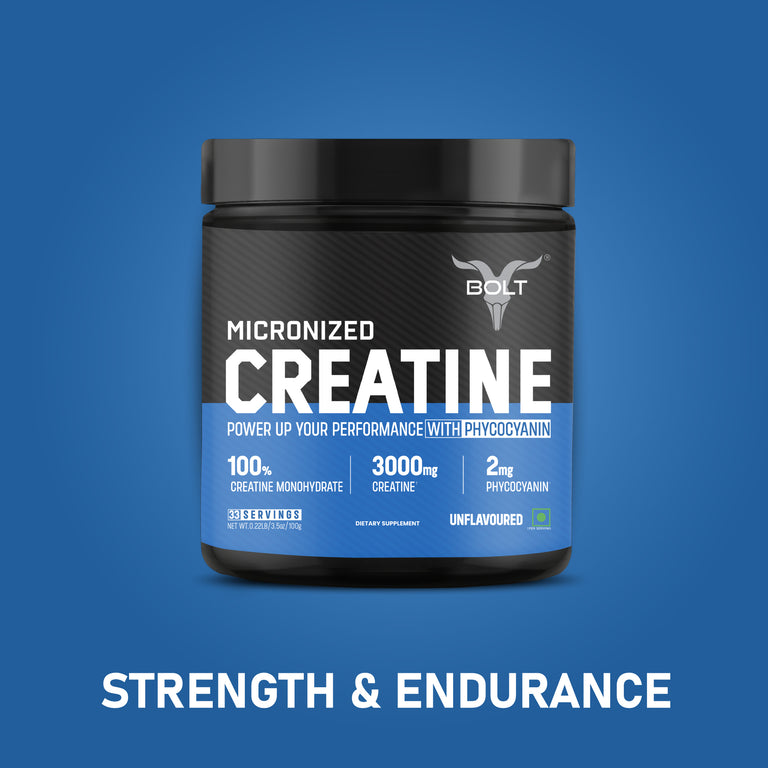
Creatine Monohydrate
Creatine monohydrate remains the most researched and trusted form of creatine available.
Benefits include:
- strong scientific support
- effectiveness
- affordability
- reliable performance support
- excellent safety profile
Micronized creatine monohydrate may offer improved mixability and digestion for some cyclists.
Recommended Creatine Dosage for Cyclists
Most cyclists commonly use: 3-5 grams daily,Consistency is generally more important than timing.
Many athletes prefer daily maintenance dosing without aggressive loading phases.
Final Thoughts
Cycling performance is no longer defined by endurance alone. Modern riders must repeatedly produce explosive power, recover quickly, maintain interval intensity and perform under fatigue.
This shift is one of the key reasons creatine supplementation has become increasingly relevant for cyclists.
From sprint finishes and climbing attacks to gym performance and recovery support, creatine may help cyclists improve many of the performance factors that influence training and competition outcomes.
For riders looking to improve power, recovery and repeated high-intensity performance, creatine has become one of the most practical and researched supplements available today.
Frequently Asked Questions
1) Is creatine good for cyclists?
Yes. Creatine may help cyclists improve sprint power, interval performance, recovery and muscular endurance.
2) Does creatine improve cycling performance?
Creatine may support repeated high-intensity efforts, explosive power and training quality in cyclists.
3) What is the best creatine for cyclists?
Creatine monohydrate is considered the most researched and effective option.
4) Can endurance athletes use creatine?
Yes. Many endurance athletes now use creatine to support recovery, interval performance and strength training.
5) Does creatine increase cycling power?
Creatine may help improve explosive power and repeated sprint performance during cycling.
6) Can cyclists take creatine daily?
Yes. Daily supplementation of 3–5 grams is commonly recommended.
7) Will creatine affect climbing performance?
When used properly, many cyclists tolerate creatine well without significant performance issues related to body weight.
