



Protein Intake for Beginners: Everything You Need to Know (Complete Guide)
byStarting a fitness journey can feel overwhelming—especially when it comes to nutrition. Among all nutrients, protein stands out as the most important for beginners aiming to lose fat, build muscle, or simply improve overall health.
Yet, many beginners either underestimate its importance or misunderstand how to use it correctly.
This guide will give you a clear, science-backed understanding of protein intake—so you can make smarter decisions from day one.
What is Protein? A Simple Explanation
Protein is a macronutrient made up of amino acids, often referred to as the building blocks of life. Every cell in your body—muscles, skin, hair, enzymes—relies on protein.
There are 20 amino acids, out of which:
- 9 are essential (must be obtained from diet)
- 11 are non-essential (produced by the body)
👉 High-quality protein sources contain all essential amino acids.
Why Protein is Crucial for Beginners
When you start exercising, your body undergoes stress and adaptation. Protein plays a central role in this transformation.
1. Muscle Repair & Growth
Workout creates tiny tears in muscle fibers. Protein helps repair and rebuild them stronger.
2. Fat Loss Support
Protein keeps you full and reduces hunger, making it easier to maintain a calorie deficit.
3. Metabolism Boost
Protein requires more energy to digest compared to carbs and fats.
4. Recovery & Performance
Adequate protein reduces soreness and helps you train consistently.
How Much Protein Do You Really Need?
This is the most important question.
Your protein requirement depends on your body weight, activity level, and goal.
Daily Protein Intake = 1.2 to 2.2 grams per kg body weight
Breakdown Based on Goals:
- Sedentary lifestyle: 0.8–1.0 g/kg
- Fat loss: 1.2–1.6 g/kg
- Muscle gain: 1.6–2.2 g/kg
👉 Example:
If your weight is 60 kg → You need 72g to 132g protein daily
Understanding Protein Quality (Very Important)
Not all proteins are equal.
Complete Proteins:
- Eggs
- Chicken
- Fish
- Whey protein
Incomplete Proteins:
- Lentils
- Grains
👉 Combine plant sources (dal + rice) to make them complete.
Best Protein Sources for Beginners
A smart diet includes a mix of sources:
Animal-Based Sources (High Quality)
- Chicken breast
- Eggs (whole + whites)
- Fish (salmon, tuna)
Vegetarian Sources
- Paneer
- Tofu & soy chunks
- Lentils (dal)
- Chickpeas
Dairy Sources
- Milk
- Yogurt (curd)
- Cheese
Supplements
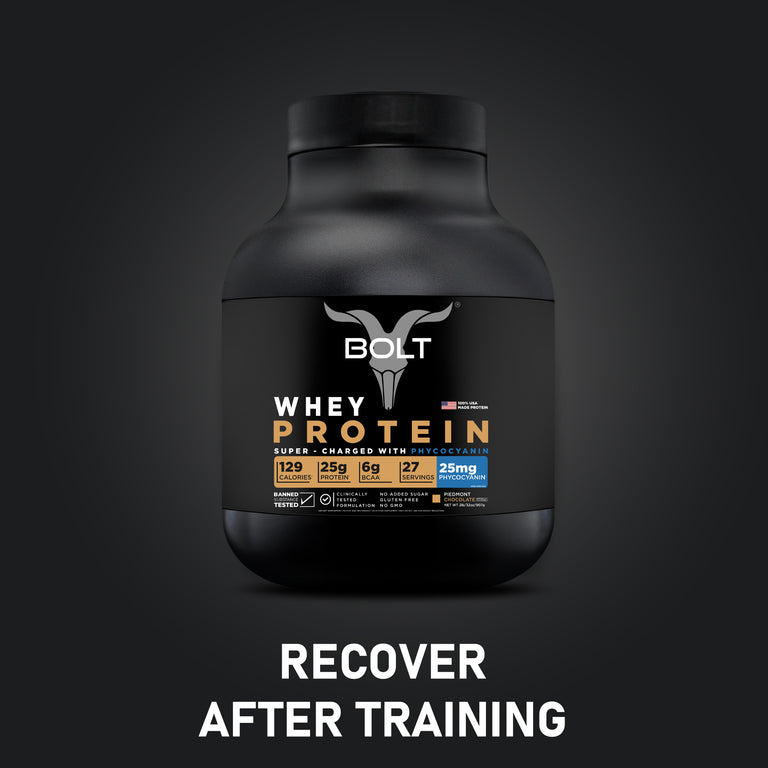
- Whey protein (fast digestion)
- Plant protein (vegan option)
Do You Need Whey Protein?
No—but it helps.
Whey protein is:
- Convenient
- Fast absorbing
- Easy to consume
👉 Ideal for people who:
- Have busy schedules
- Struggle to meet protein needs through food
Best Time to Consume Protein
Protein timing is not magic—but it helps optimize results.
1. Post-Workout
- Most effective time
- Helps recovery and muscle building
2. Morning
- Controls appetite
- Starts your day strong
3. Before Bed
- Supports overnight recovery
Protein Distribution: The Secret Most Beginners Miss
Instead of consuming protein in one meal:
👉 Spread intake evenly across the day
Why?
- Better absorption
- Improved muscle synthesis
- Stable energy levels
Protein & Fat Loss: How It Works
Protein helps fat loss in multiple ways:
- Reduces hunger → fewer calories
- Preserves muscle → better metabolism
- Increases calorie burn during digestion
👉 This makes protein essential for reducing belly fat indirectly.
Protein & Muscle Gain: The Foundation
Muscles cannot grow without sufficient protein.
To build muscle:
- Provide enough protein
- Combine with resistance training
- Maintain calorie surplus or balance
Common Myths About Protein
Myth 1: More protein damages kidneys
False for healthy individuals
Myth 2: Only bodybuilders need protein
Everyone needs it
Myth 3: Supplements are necessary
Whole food is enough
Beginner-Friendly Sample Diet Plan
Breakfast:
- 3 eggs / paneer + roti
Mid-Morning:
- Fruit + yogurt
Lunch:
- Rice + dal + chicken / tofu
Snack:
- Handful of nuts
Post-Workout:
- Whey protein
Dinner:
- Salad + protein source
Mistakes Beginners Must Avoid
· Ignoring protein intake
· Eating too many carbs & fats
· Not tracking diet
· Skipping meals
· Expecting quick results
Pro Tips for Maximum Results
· Prioritize protein in every meal
· Stay consistent daily
· Combine with strength training
· Drink enough water
· Focus on long-term habits
Protein is not just another nutrient it is the foundation of your fitness journey.
Whether your goal is fat loss, muscle gain, or general health, getting your protein intake right will:
- Improve results
- Speed up progress
- Enhance recovery
- Keep you consistent
👉 Start simple, stay consistent, and results will follow.
