




Creatine Monohydrate Benefits: What Science Says in 2025
byFor decades, creatine monohydrate has ranked among the most thoroughly studied and reliable sports supplements worldwide. Even in 2025, science continues to confirm what athletes, bodybuilders, and fitness-focused individuals already know: creatine works and it works extremely well.
But creatine is no longer only about gym performance. New research continues to explore brain health, recovery, muscle preservation, and wellness in older adults.
What Is Creatine Monohydrate?
Creatine is an endogenous compound present in limited quantities in foods such as meat and fish, and is synthesized by the liver, kidneys, and pancreas.
Around 95% of creatine is stored in muscles, where it helps regenerate ATP — the body’s main energy molecule.
- Generate energy faster
- Resist fatigue longer
- Recover more efficiently
This is why creatine monohydrate is still considered the gold standard form of creatine in 2025.
Top Creatine Monohydrate Benefits (Backed by Science)
1. Increases Strength & Power Output
Creatine helps your muscles produce quick energy during high-intensity workouts, leading to:
- Heavier lifts
- Stronger reps
- Better sprint performance
- Higher training intensity
2. Supports Lean Muscle Growth
- Boost training volume
- Improve recovery
- Increase muscle cell hydration
3. Enhances Recovery & Reduces Fatigue
- Minimize muscle breakdown
- Restore energy stores faster
- Reduce post-workout tiredness
4. Improves Performance in High-Intensity Exercise
Creatine monohydrate is especially effective for weight training, sprinting, explosive sports, and anything requiring short bursts of energy.
5. May Support Brain Health & Cognitive Function
Ongoing research suggests creatine may help with mental energy, memory, focus, and brain recovery after stress — making it interesting not only for athletes, but also students, professionals, and older adults.
6. Helps Preserve Muscle During Calorie Deficit or Aging
- Reduce muscle loss when dieting
- Support strength in older adults
- Maintain functional movement
Is Creatine Monohydrate Safe in 2025?
Yes, creatine monohydrate continues to be considered safe for healthy adults when taken in recommended doses. It is:
- Well-researched
- Non-hormonal
- Non-steroidal
- Naturally occurring in the body
Always stay hydrated — and consult your doctor if you have kidney, liver, or medical conditions.
How Much Creatine Should You Take?
The majority of scientific studies recommend a daily intake of 3 to 5 grams of creatine monohydrate.
You may load creatine (20 g/day for 5–7 days), but it's not required. Consistency matters more than timing — many prefer taking it post-workout or daily with meals.
Possible Side Effects
Some people may experience:
- Mild water retention
- Stomach upset (if taken on an empty stomach or in large dose)
These can often be reduced by:
- Splitting the dose
- Staying hydrated
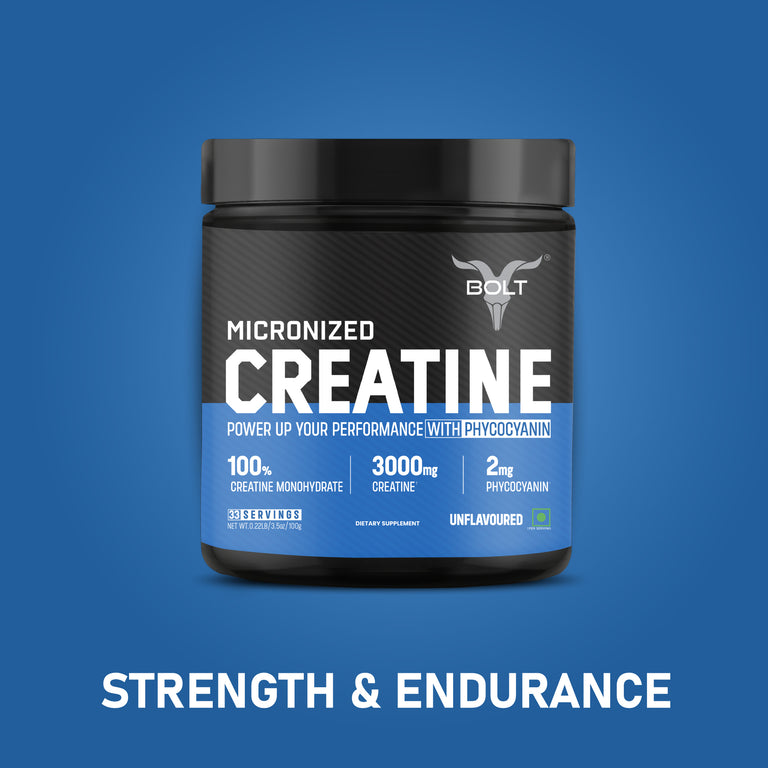
- Using micronized creatine
What Type of Creatine Is Best in 2025?
Despite new forms appearing on the market…
Creatine monohydrate remains the most effective, researched, and reliable type.
Micronized creatine improves mixability and digestion, making it a smart choice.
Conclusion: Should You Use Creatine?
If your goals include:
- Building strength
- Increasing muscle
- Improving performance
- Supporting brain and body function
Then creatine monohydrate remains one of the best supplements you can take in 2025.
It’s safe, it’s proven, and it works when used consistently.
