




How to Use Whey Protein for Faster Recovery
byne of the most crucial components of any exercise regimen is recovery. While training stimulates muscle growth and strength, proper recovery allows the body to repair damaged muscle fibers and adapt to exercise stress. One of the most popular supplements used to support recovery is whey protein.
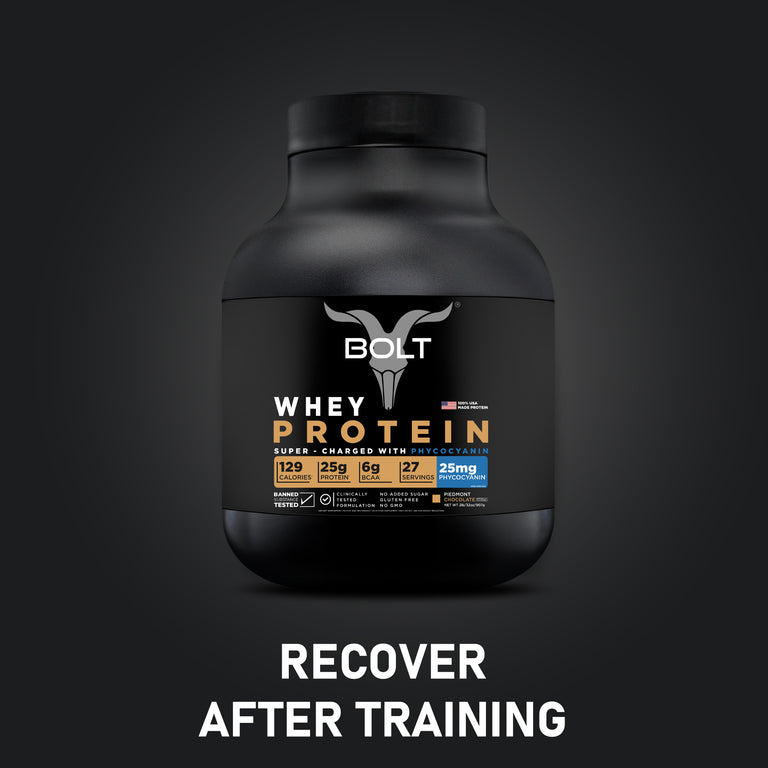
Whey protein is widely used by athletes, gym enthusiasts, and active individuals because of its fast digestion, high protein content, and rich amino acid profile. When used correctly, whey protein can help support muscle repair, reduce post-workout fatigue, and improve overall training performance.
Understanding how to use whey protein properly can help maximize recovery and support long-term fitness goals.
What Is Whey Protein?
Whey protein is a premium protein that is extracted from milk while cheese is being made. It is a complete protein source since it has all nine essential amino acids. is a high-quality protein derived from milk during the cheese-making process. Whey protein is also rich in branched-chain amino acids (BCAAs) such as leucine, which plays a key role in muscle protein synthesis.
Because whey protein digests quickly, it is commonly consumed after workouts when muscles need nutrients for repair and recovery.
There are several types of whey protein supplements available, including:
-
Whey Protein Hydrolysate
Each form differs slightly in processing and protein concentration.
Why Whey Protein Supports Recovery
Muscle fibres sustain tiny tears with strenuous exercise. Recovery is the process where the body repairs these fibers, making them stronger over time.
Whey protein helps support this process by providing amino acids that are required for muscle repair and rebuilding. Consuming protein after exercise may help replenish nutrients used during training and support recovery between workouts.
Many athletes include whey protein as part of their post-workout routine to support muscle repair and maintain consistent training performance.
Best Time to Take Whey Protein
Timing can play an important role when using whey protein for recovery. Many people prefer consuming whey protein within 30–60 minutes after a workout, often referred to as the post-workout recovery window.
During this time, muscles may benefit from nutrients that help support recovery and muscle protein synthesis.
However, whey protein can also be consumed at other times during the day such as:
-
In the morning
-
Between meals
-
Before workouts
-
As part of a balanced diet
Consistency in protein intake throughout the day is often more important than timing alone.
How Much Whey Protein Should You Take?
The amount of whey protein needed depends on individual protein requirements, which are influenced by factors such as body weight, activity level, and fitness goals.
Many individuals use whey protein to help meet their daily protein intake goals when it may be difficult to obtain enough protein from food alone.
It is generally recommended to follow the serving instructions provided on the supplement label and combine protein intake with a balanced diet.
👉 How Much Protein Do You Really Need Per Day?
Ways to Use Whey Protein
Whey protein supplements can be consumed in several convenient ways.
The most common method is mixing whey protein powder with water or milk to create a protein shake. It can also be added to smoothies, oatmeal, pancakes, or other recipes to increase daily protein intake.
Some individuals incorporate whey protein into their daily nutrition plan as a post-workout shake, meal supplement, or snack option.
Conclusion
Whey protein is one of the most widely used supplements in sports nutrition due to its high quality and fast absorption. When combined with regular training, balanced nutrition, and proper rest, whey protein can help support muscle recovery and overall fitness performance.
Using whey protein strategically—especially after workouts—can help provide the nutrients needed for muscle repair and recovery.
FAQs-
1. How does whey protein help with faster recovery after workouts?
Whey protein provides fast-digesting amino acids that help repair muscle fibers, reduce soreness, and support muscle protein synthesis after training. Its high leucine content makes it especially effective for recovery.
2. When should I take whey protein for muscle recovery?
Whey protein is commonly taken after workouts to support muscle repair. However, research suggests total daily protein intake matters more than exact timing, so consistency throughout the day is key.
3. How much whey protein should I take for recovery?
Most people benefit from about 20–30 grams per serving, which helps stimulate muscle protein synthesis and supports post-workout recovery.
4. Should I take whey protein before or after workout for recovery?
Both can work. Post-workout whey helps replenish amino acids quickly, while pre-workout protein also supports recovery. The most important factor is meeting daily protein needs.
5. Can whey protein reduce muscle soreness?
Yes, whey protein may help reduce delayed onset muscle soreness (DOMS) by supporting muscle repair and reducing exercise-induced muscle damage.
6. Should I take whey protein on rest days for recovery?
Yes, muscles recover even on rest days. Taking whey protein helps maintain protein intake and supports ongoing muscle repair.
7. Should I mix whey protein with water or milk for recovery?
- With water → faster absorption (better post-workout)
- With milk → slower digestion + extra calories
Choose based on recovery goals.
8. What type of whey protein is best for recovery?
- Whey isolate → fast absorption
- Whey concentrate → balanced option
- Whey hydrolysate → fastest digestion
All support muscle recovery effectively.
