



Plant Protein vs Whey Protein: Which One Builds Muscle Faster?
byProtein supplements play an important role in supporting muscle growth, recovery, and overall fitness performance. Among the most popular options available today are plant protein and whey protein. Both provide essential amino acids that help repair and build muscle tissue after workouts.
However, many people wonder which option is better for muscle growth and athletic performance. Understanding the differences between plant-based protein and whey protein can help individuals choose the right supplement based on their dietary preferences, fitness goals, and nutritional needs.
What Is Whey Protein?
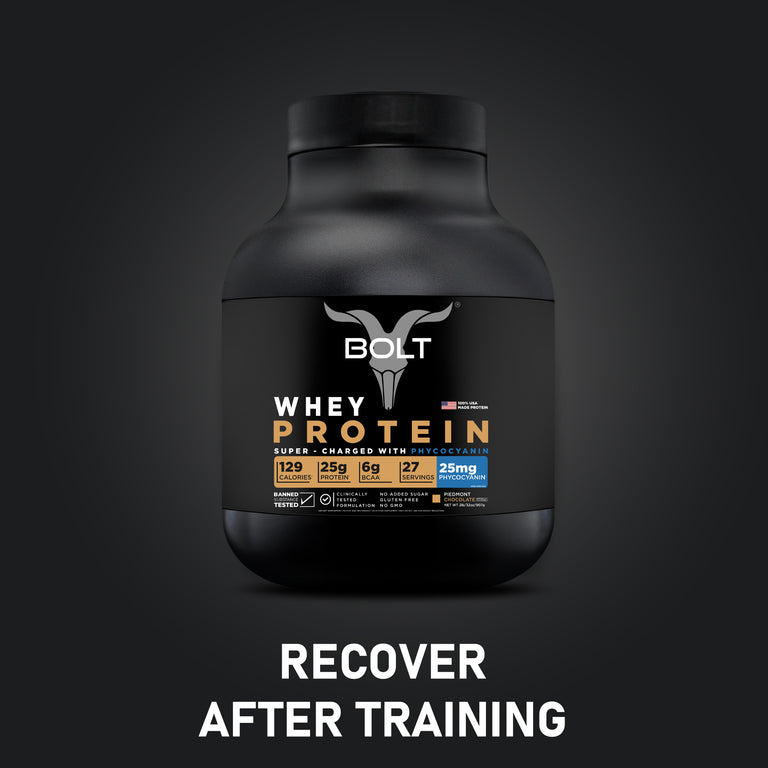
Whey protein is a high-quality protein derived from milk during the cheese-making process. It contains all nine essential amino acids and is considered a complete protein source.
Whey protein is known for its fast digestion and high content of branched-chain amino acids (BCAAs), which play an important role in muscle protein synthesis.
Common types of whey protein include:
-
Whey protein hydrolysate
Because of its rapid absorption, whey protein is commonly consumed after workouts to support recovery.
What Is Plant Protein?
Plant protein supplements are derived from plant-based sources such as peas, rice, soy, or hemp. Many plant protein formulas combine multiple sources to create a balanced amino acid profile.
Plant proteins are often chosen by individuals who follow vegetarian, vegan, or dairy-free diets. Modern plant protein blends are designed to provide a complete range of amino acids similar to traditional protein supplements.
Muscle Building Potential
Both plant protein and whey protein can support muscle growth when combined with proper training and nutrition.
Whey protein has traditionally been popular among athletes due to its fast absorption and high leucine content, which is important for stimulating muscle protein synthesis.
Plant protein blends, however, have improved significantly and can also provide adequate amino acids needed for muscle repair and growth.
Digestion and Dietary Preferences
One advantage of plant protein is that it is suitable for people who are lactose intolerant or prefer dairy-free nutrition. Plant-based protein supplements may also include additional nutrients such as fiber and plant compounds.
Whey protein, on the other hand, is often preferred by individuals who want a rapidly absorbed protein source after workouts.
Choosing between the two often depends on personal dietary preferences and digestion comfort.
Sustainability and Lifestyle Factors
Plant protein products are frequently associated with environmentally conscious diets and plant-based lifestyles. They may appeal to individuals who prioritize sustainable food sources.
Whey protein continues to remain widely used because of its long history in sports nutrition and its strong reputation for supporting recovery after training.
Which One Should You Choose?
Both plant protein and whey protein can support muscle growth when consumed as part of a balanced diet.
The best choice depends on:
-
Dietary restrictions or preferences
-
Digestive tolerance
-
Fitness goals
-
Lifestyle considerations
Individuals who consume dairy may prefer whey protein, while those following plant-based diets may choose plant protein supplements.
👉 Plant Protein powder vs Whey Protein powder for Weight Loss: Which Is Better?
Conclusion
Plant protein and whey protein both provide valuable nutrients that support muscle recovery and overall fitness performance. The key factor in building muscle is maintaining adequate protein intake along with consistent strength training and proper nutrition.
Choosing the right protein supplement depends on your personal needs, dietary habits, and fitness goals.
FAQs-
1. Which protein is better for weight loss: plant or whey?
Both plant and whey protein can support weight loss effectively. What matters most is maintaining a calorie deficit and adequate protein intake.
2. Does whey protein help you lose weight faster than plant protein?
Whey protein may support faster muscle recovery and slightly better muscle retention due to higher leucine content, but fat loss speed mainly depends on calories, not protein type.
3. Is plant protein good for fat loss?
Yes, plant protein helps with fat loss by improving satiety, supporting muscle retention, and sometimes offering added fiber that keeps you full longer.
4. Can I lose belly fat with protein powder?
Protein powder (plant or whey) does not directly burn belly fat. It helps reduce overall body fat by supporting muscle retention and controlling hunger.
5. Should I take protein powder every day for weight loss?
Yes, daily protein intake is important to preserve muscle and support metabolism during fat loss.
6. What is the best time to take protein for weight loss?
You can take protein post-workout, between meals, or even in breakfast—consistency matters more than timing.
