




How to Use Whey Protein for Faster Recovery After Workout
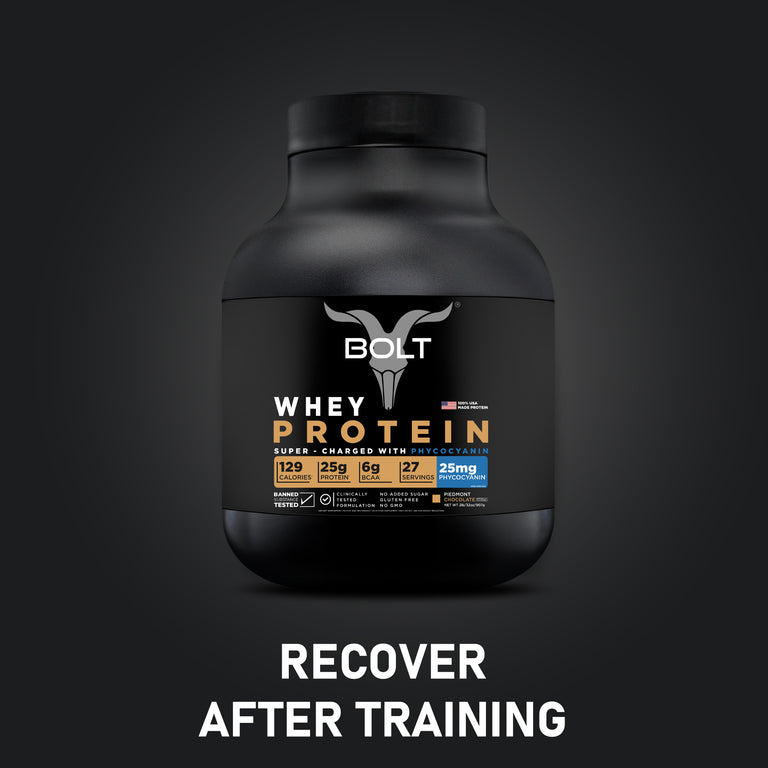
byRecuperation after a workout is as crucial as your training. No matter how intense or consistent your workouts are, muscles grow and repair only when they’re properly nourished. One of the most researched and effective supplements for muscle recovery is whey protein. When used correctly, whey protein helps repair muscle fibers, reduce soreness, and prepare your body for the next workout.
In this blog, we’ll break down how to use whey protein for faster recovery, the right timing, dosage, and common mistakes to avoid — so you can get maximum results from your training.
Whey Protein Powder's Importance for Muscle Recovery
During resistance training or high-intensity workouts, your muscles experience micro-tears. To repair these tears and rebuild stronger muscle tissue, your body needs high-quality protein — especially essential amino acids like leucine, which plays a key role in muscle protein synthesis.
Whey protein is considered ideal for recovery because:
-
It is fast-digesting
-
Rich in branched-chain amino acids (BCAAs)
-
Easily absorbed by the body
-
Convenient and versatile
This makes whey protein one of the best choices for post-workout recovery nutrition.
Best Time to Take Whey Protein for Faster Recovery
Timing matters when it comes to whey protein intake.
Post-Workout (Most Effective)
The best time to consume whey protein is within 30–60 minutes after your workout. This window is often called the “anabolic window,” where your muscles are most receptive to nutrients.
Taking whey protein post-workout helps:
-
Kick-start muscle repair
-
Reduce muscle soreness
-
Replenish amino acids quickly
-
Improve recovery speed
Morning Intake (Optional)
If you train early or have long gaps between meals, a whey protein shake in the morning can also help prevent muscle breakdown.
How Much Whey Protein Should You Take?
For most active individuals, the recommended serving is:
-
20–30 grams of whey protein per serving
-
Usually 1 scoop, depending on the product
Your total daily protein requirement depends on body weight and activity level, but whey protein is meant to supplement your diet, not replace whole foods.
How to Mix Whey Protein for Better Absorption
How you mix your whey protein can affect digestion and comfort.
-
With water: Faster absorption, lighter on digestion, ideal post-workout
-
With milk: Creamier taste, slightly slower digestion, better for meal replacement
-
With smoothies: Add fruits, oats, or nut butter for extra calories and nutrients
For faster recovery, mixing whey protein with cold water immediately after training is often the best option.
Typical Issues That To Avoid While Utilising Whey Protein powder
Many people don’t see results simply because they use whey protein incorrectly. Avoid these mistakes:
-
Skipping post-workout protein
-
Relying only on whey and ignoring whole foods
-
Taking excessive scoops thinking “more is better”
-
Using protein inconsistently
-
Ignoring sleep and hydration
Remember, whey protein works best when combined with proper training, rest, and nutrition.
Can Whey Protein Reduce Muscle Soreness?
Yes, whey protein can help reduce delayed onset muscle soreness (DOMS) by supplying fast-absorbing amino acids that support muscle repair. While it won’t eliminate soreness completely, consistent whey protein intake can significantly improve recovery time and workout performance over weeks.
Who Should Use Whey Protein?
Whey protein is suitable for:
-
Gym-goers and athletes
-
Beginners starting resistance training
-
People with busy schedules
-
Anyone struggling to meet daily protein needs through food
It’s especially useful for those aiming for faster recovery, lean muscle support, and better workout consistency.
Final Thoughts
Using whey protein correctly can make a noticeable difference in how your body recovers after workouts. When taken at the right time, in the right quantity, and paired with a balanced diet and proper rest, whey protein becomes a powerful tool for muscle recovery and overall fitness progress.
Consistency is key — make whey protein a part of your daily routine, and your body will thank you with better performance and faster recovery.
FAQs – Whey Protein & Recovery
Q1. Can I take whey protein every day?
Yes, whey protein can be taken daily as part of a balanced diet, especially if you are physically active.
Q2. Is whey protein only for bodybuilders?
No. Whey protein is suitable for anyone looking to improve recovery, maintain muscle, or meet daily protein needs.
Q3. Should I take whey protein on rest days?
Yes, consuming whey protein on rest days helps support muscle repair and maintain protein intake consistency.
Q4. Can whey protein replace meals?
The protein found in whey is best used as a supplement. Whole-food sources should stay your main nourishment source.
