




Is Creatine Weight Gain Permanent? Here’s the Truth
byCreatine has become one of the most studied and extensively utilised workout supplements in the world. Yet, one question keeps coming up again and again: does creatine cause permanent weight gain?
The short answer is no — but the full truth is a little more nuanced.
In this blog, we break down what kind of weight gain creatine causes, why it happens, and whether it actually affects your long-term body composition.
What Happens to Your Weight When You Take Creatine?
When people start using creatine, they often notice the number on the scale going up within the first 1–3 weeks. This leads many to believe that creatine causes fat gain — but that’s a misunderstanding.
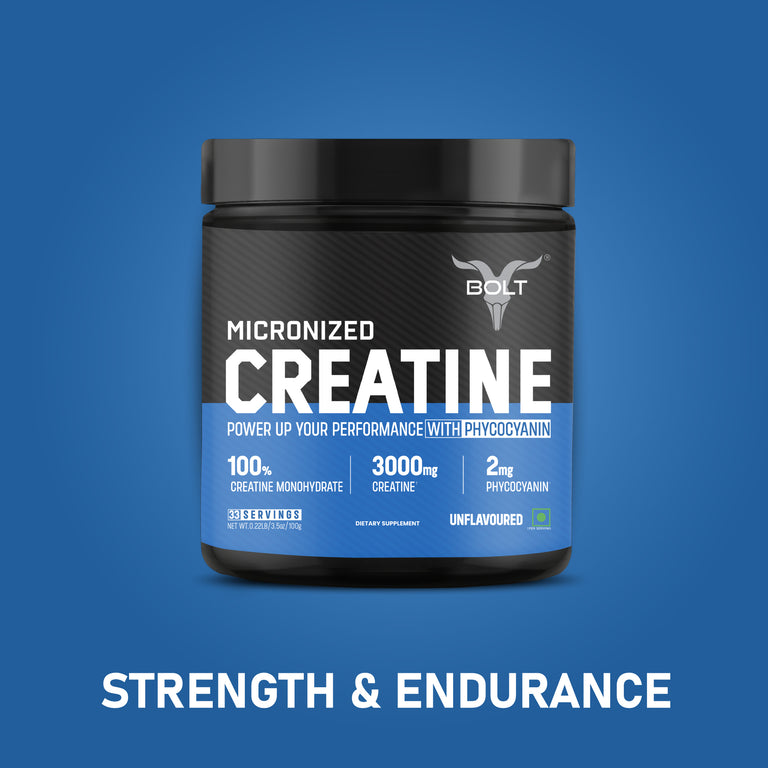
Creatine works by increasing phosphocreatine stores in muscles, which helps improve strength, power, and workout performance. Along with this, creatine draws water into muscle cells, a process known as intramuscular water retention.
This increase in water content is the main reason for the initial weight gain.
Is Creatine Weight Gain Fat or Muscle?
Creatine-related weight gain happens in two phases:
1. Initial Water Weight (Temporary)
In the early stages, weight gain is mostly due to water stored inside muscle cells.
This is not fat, not bloating under the skin, and not permanent.
If you stop taking creatine, this water weight usually drops within a few weeks.
2. Long-Term Muscle Gain (Earned, Not Automatic)
Over time, creatine may help you:
-
Lift heavier weights
-
Train with higher intensity
-
Recover faster between sets
This can lead to actual muscle growth, but only if:
-
You train consistently
-
You eat enough protein and calories
This type of weight gain is lean muscle, and yes — that can be permanent if you maintain your training.
Does Creatine Cause Permanent Weight Gain?
Creatine does not cause permanent fat gain.
Any permanent change in body weight comes from:
-
Muscle growth due to better training performance
-
Increased calorie intake
-
Long-term lifestyle habits
If creatine use results in muscle gain, that weight stays only as long as you continue training. If you stop training, muscle mass — with or without creatine — will reduce over time.
So the idea that creatine “locks in” weight permanently is a myth.
Will You Lose Weight After Stopping Creatine?
If you stop taking creatine:
-
You may lose some water weight
-
Muscle creatine levels return to baseline
-
Strength may slightly dip if training intensity drops
But you will not suddenly lose muscle or gain fat just because you stopped creatine.
Does Creatine Make You Look Bloated?
This is another common concern.
Creatine increases water inside muscle cells, not under the skin. That means:
-
Muscles may look fuller and firmer
-
No puffiness or soft bloating for most people
If bloating happens, it’s usually due to:
-
Excess dosage
-
Poor hydration
-
Low-quality creatine
Using the correct dose and staying hydrated minimizes these issues.
Ways to Take Creatine Without Gaining Unwanted Weight
To avoid confusion or discomfort:
-
Stick to 3–5 grams per day
-
Drink enough water throughout the day
-
Maintain a balanced diet
-
Focus on resistance training
Creatine doesn’t magically increase body weight — it simply helps your muscles perform better.
Conclusion: The Truth About Creatine & Weight Gain
Creatine does not cause permanent weight gain.
What it does cause is:
-
Temporary water retention in muscles
-
Potential long-term muscle growth if training is consistent
If your goal is strength, performance, and lean muscle support, creatine remains one of the safest and most effective supplements available.
FAQs – Creatine & Weight Gain
Q1- Is creatine weight gain permanent?
No. Initial weight gain is mostly water weight and is temporary.
Q2- Does creatine increase fat?
No. Creatine does not increase body fat.
Q3- Will I lose weight if I stop creatine?
You may lose water weight, but muscle mass depends on your training, not creatine alone.
Q4- Is creatine safe for long-term use?
Yes, when taken within recommended doses and combined with proper hydration.
