
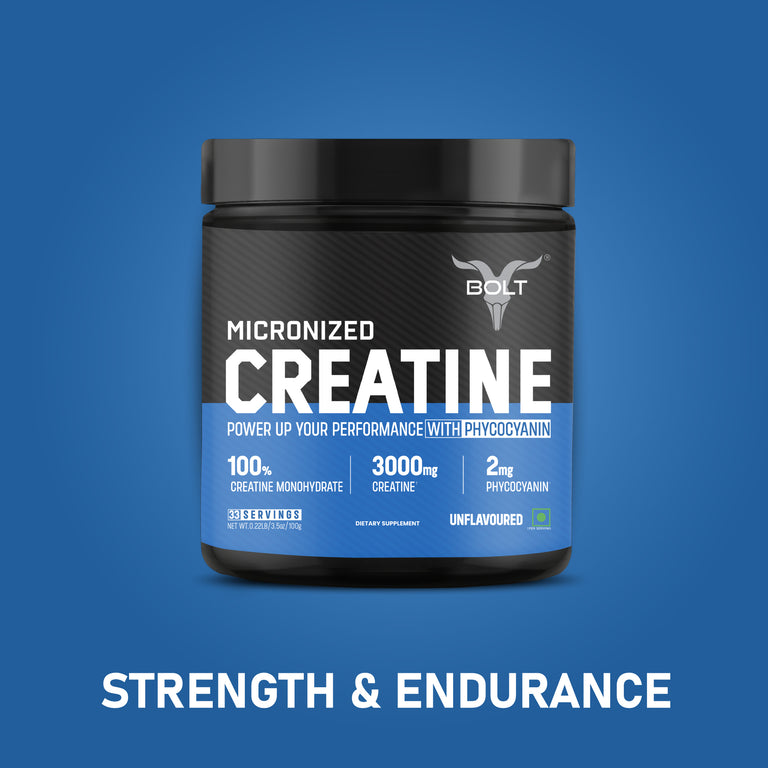






Is Creatine Safe for Teen Athletes? Everything You Need to Know
byCreatine is one of the most popular and well-researched sports supplements used to support strength, power, and athletic performance. Many adult athletes use creatine safely — but when it comes to teenagers, parents and coaches often ask the big question:
👉 Is creatine safe for teen athletes?
The short answer:
Creatine has been shown to be generally safe in healthy adults when used responsibly, but research on long-term use in teenagers is still limited — which means teens should only consider creatine under medical and professional guidance.
Here are the key facts 👇
What Exactly Is Creatine?
Creatine is a naturally occurring compound found in:
✔️ meat & fish
✔️ and produced in small amounts by the body
It helps supply quick energy to muscles — especially during high-intensity exercise like sprinting, jumping, and weight training. Supplementing creatine increases stored energy in muscles, which may improve power, performance, and recovery.
Why Do Teen Athletes Consider Creatine?
Teen athletes who train seriously in sports like:
🏋️ weight training
⚽ football
🏀 basketball
🏊 swimming
🎾 tennis
…may look at creatine to support:
🔹 Improved power & explosive strength
🔹 Better workout performance
🔹 Faster recovery
🔹 Increased lean muscle
These benefits are well documented in adults — but teens are physiologically different, so professional guidance matters.
Is Creatine Safe for Teenagers?
Here’s what the current evidence suggests:
✔️ Studies show creatine is not harmful to healthy individuals when taken correctly
❗ But long-term controlled studies in teens are limited
❗ Some sports bodies advise caution for minors
✔️ Many doctors allow use only for serious competitive athletes under supervision
So the safest approach is:
👉 Teenagers should NOT start creatine on their own.
👉 Always consult a doctor or sports nutrition expert first.
This ensures:
🩺 medical screening
📊 correct dosing
🛡️ safe usage
🥗 nutrition remains the top priority
Possible Side Effects of Creatine in Teens
While many users tolerate creatine well, teens may experience:
• stomach discomfort
• dehydration (if water intake is low)
• water retention
• muscle cramps
• weight gain
• digestive upset
And creatine is NOT recommended if a teen has:
🚫 kidney or liver conditions
🚫 dehydration risk
🚫 uncontrolled medical problems
Hydration, dosing, and medical monitoring are essential.
Diet First — Supplements Later
For teenagers, whole-food nutrition matters more than supplements. Teens should first focus on:
🍚 balanced meals
🥛 enough protein
🍎 fruits & vegetables
💧 proper hydration
😴 sleep & recovery
Creatine should never replace good nutrition or training fundamentals.
If a Doctor Approves Creatine, What Is a Common Approach?
Professionals typically recommend:
🔹 3–5g creatine monohydrate per day
(no loading phase needed)
PLUS:
✔️ plenty of water
✔️ supervision
✔️ periodic health evaluation
Again — this must be medically approved for teens.
Guidance for Parents & Coaches
Before approving creatine use, ensure the teen:
✔️ is past early puberty
✔️ trains seriously & consistently
✔️ maintains proper diet & hydration
✔️ has medical screening
✔️ understands dosage
✔️ avoids stimulant-based supplements
Transparent communication is important.
Conclusion: Is Creatine Safe for Teen Athletes?
Creatine is one of the most studied and widely used supplements, and it appears to be generally safe when used correctly — but research in teenagers is still limited.
✅ Safe only when supervised
❌ Not recommended without medical guidance
Best suited for competitive teen athletes — not casual gym beginners
Health always comes first
Frequently Asked Questions
Q1. Can a 14–17 year-old take creatine?
Only under doctor or sports nutritionist supervision. Self-supplementing is not recommended.
Q2. Does creatine stunt growth?
There is no scientific evidence showing creatine stunts growth — but long-term teen studies are limited.
Q3. Is creatine a steroid?
Creatine is not classified as a steroid; it is a naturally occurring compound present in both food and the human body.
Q4. Do teen athletes really need creatine?
Most teens can achieve great performance results through training, diet, hydration, and sleep without supplements.
Q5. What type of creatine is recommended if approved?
Creatine monohydrate is recognised as the most thoroughly studied and reliable form available.
Q6. Should teens load creatine?
Loading is not necessary and is generally not advised for teens.
