




Whey Protein Side Effects: Is Whey Protein Safe to Use?
byWhey protein has become one of the most consumed nutritional supplements across the world. From professional athletes to beginners stepping into fitness, millions rely on it daily to meet their protein needs. Despite its popularity, there is still a cloud of confusion surrounding its safety. Questions like “Does whey protein cause kidney damage?” or “Is it safe to take every day?” are extremely common.
The reality is that whey protein is both one of the most researched and one of the most misunderstood supplements. Understanding how it works, who should use it, and what side effects may occur is essential before making it part of your routine.
Understanding Whey Protein and Its Role in the Body
Whey protein is derived from milk during the cheese-making process. When milk separates, the liquid portion that remains is whey, which is then processed and dried into powder form. This powder contains a complete amino acid profile, making it a high-quality protein source that supports muscle repair, growth, and overall recovery.
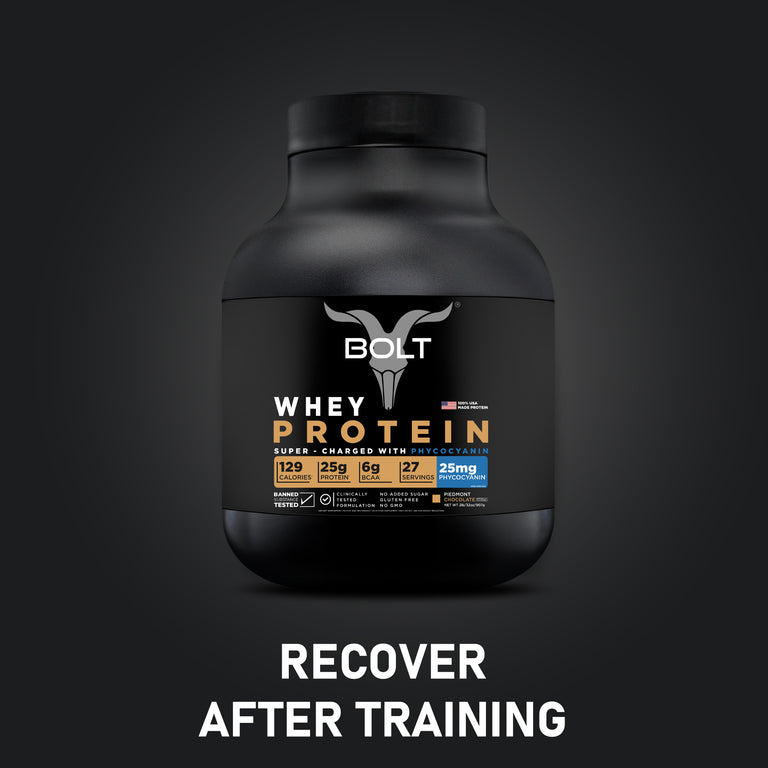
Because of its fast absorption rate, whey protein is especially effective post-workout, when the body needs quick nutrients to repair muscle fibers. Over time, it has evolved into multiple forms such as concentrate, isolate, and hydrolysate, each differing slightly in purity and digestion speed.
Is Whey Protein Actually Safe?
For a healthy individual, whey protein is completely safe when consumed in appropriate quantities. Scientific research consistently shows that protein intake within recommended limits does not harm the body. In fact, for people who struggle to meet their daily protein requirements through food alone, whey protein can be a highly convenient and effective solution.
Problems generally arise not because of whey protein itself, but due to overconsumption, poor product quality, or pre-existing health conditions. Like any nutritional supplement, its safety depends on how it is used rather than its existence.
What Are The Common Side Effects of Whey Protein?
- Digestive discomfort – Some individuals may experience bloating, gas, or mild stomach cramps, especially if they are lactose intolerant. This is more common with whey protein concentrate.
- Acne and skin breakouts – In certain cases, whey protein may trigger acne due to its effect on hormones like insulin and IGF-1, which can increase oil production in the skin.
- Kidney-related concerns (in specific cases) – Whey protein is safe for healthy individuals, but those with pre-existing kidney conditions should consult a doctor before use.
- Liver health concerns (rare) – There is no strong evidence linking whey protein to liver damage when consumed in recommended amounts. Issues may arise only with excessive intake and unhealthy lifestyle habits.
- Allergic reactions – People who are sensitive to dairy proteins may experience symptoms like nausea, fatigue, or digestive discomfort after consuming whey protein.
- Effects of overconsumption – Taking more protein than required can lead to digestive strain, dehydration, and excess calorie intake, which may contribute to fat gain instead of muscle growth.
Who Should Be Careful with Whey Protein?
- People with kidney disease – Should monitor protein intake carefully, as excess protein may put strain on the kidneys.
- Individuals with lactose intolerance – May experience digestive issues; switching to whey isolate or lactose-free options is recommended.
- People with dairy allergies – Should avoid whey protein, as it can trigger allergic reactions.
- Pregnant women – Should consult a healthcare professional before adding any supplement to their diet.
- Individuals with liver conditions – Need medical guidance before consuming whey protein.
- People on medications or treatments – Should seek advice from a doctor to avoid potential interactions.
How to Use Whey Protein Safely and Effectively
Using whey protein safely is less about restriction and more about balance. The human body requires a certain amount of protein daily, typically calculated based on body weight and activity level. Whey protein should simply help bridge the gap between dietary intake and required intake.
It is important to maintain proper hydration, as protein metabolism requires adequate water. Choosing a high-quality, tested brand also plays a major role in avoiding unnecessary additives or contaminants. Most importantly, whey protein should complement a balanced diet that includes whole foods like fruits, vegetables, and healthy fats.
Benefits That Make Whey Protein Worth It
Despite the concerns, whey protein remains one of the most effective supplements available. It supports muscle growth by providing essential amino acids, particularly leucine, which plays a key role in muscle protein synthesis. It also enhances recovery after workouts, reduces muscle soreness, and can even aid in weight management by promoting satiety.
For busy individuals, whey protein offers unmatched convenience. Instead of preparing multiple high-protein meals, a simple shake can help meet daily nutritional goals without compromising on time.
Separating Myths from Reality
Much of the fear surrounding whey protein comes from misinformation. It is not a steroid, nor is it a harmful chemical. It is simply a refined form of protein derived from natural sources. The body processes it the same way it processes protein from food.
The key difference lies in convenience and absorption speed. When used correctly, whey protein is no more dangerous than consuming milk, paneer, or other protein-rich foods.
Should You Use Whey Protein?
Whey protein is safe, effective, and beneficial for most individuals when used in moderation. The side effects that are often discussed are either rare, exaggerated, or applicable only to specific individuals with underlying conditions.
Rather than avoiding whey protein out of fear, the better approach is to use it wisely. Focus on quality, maintain balance in your diet, and understand your body’s needs. When these factors are in place, whey protein becomes a powerful tool in achieving fitness and health goals.
FAQs
1: Is whey protein safe for daily use?
Yes, whey protein is safe for daily consumption when taken within recommended limits and as part of a balanced diet.
2. Can whey protein cause hair loss?
There is no scientific evidence directly linking whey protein to hair loss.
3. Does whey protein affect digestion?
Some people may experience mild digestive discomfort, especially if they are lactose intolerant.
4. Is whey protein necessary for muscle gain?
No, but it is a convenient and efficient way to meet protein requirements.
5. What is the best time to take whey protein?
It can be taken anytime, but post-workout is considered most effective.
