




Whey Protein vs Egg Protein: Benefits, Differences & Which One Should You Choose?
byIn the world of fitness and sports nutrition, protein supplements play a significant role in helping individuals meet their daily nutritional requirements. Among the many options available, whey protein and egg protein are two of the most popular choices. Both are derived from animal sources and are considered complete proteins, meaning they contain all essential amino acids required by the body.
Despite their similarities, whey protein and egg protein differ in several important aspects such as digestion speed, amino acid delivery, absorption rate, and overall suitability for different fitness goals. These differences can directly impact your results depending on how you incorporate them into your diet and training routine.
Understanding how each protein works allows you to make a more informed decision based on your body type, dietary preferences, and fitness objectives.
What is Whey Protein?
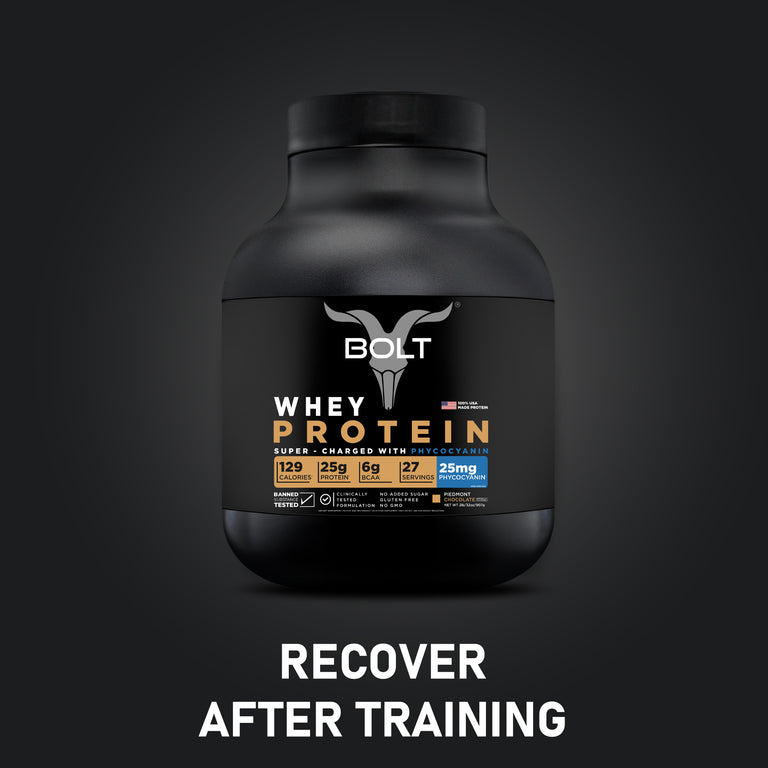
Whey protein is a by-product of the cheese-making process and is widely recognized for its high quality and rapid absorption. It contains a rich profile of essential amino acids, especially branched-chain amino acids (BCAAs), which are crucial for muscle repair and recovery.
One of the defining characteristics of whey protein is its fast digestion rate. After consumption, it is quickly broken down and absorbed into the bloodstream, delivering amino acids to the muscles within a short period. This makes it particularly effective when consumed after workouts, as the body is in a state where it needs immediate nutrients for recovery.
Whey protein has become a staple supplement for athletes and fitness enthusiasts because of its convenience and effectiveness in supporting muscle repair. However, it is important to understand that whey protein does not directly build muscle on its own. Instead, it provides the building blocks required for muscle repair and growth when combined with proper training and adequate calorie intake.
What is Egg Protein?
Egg protein, usually derived from egg whites, is another highly regarded protein source. It is naturally lactose-free and offers a complete amino acid profile similar to whey protein. For individuals who are sensitive to dairy or prefer non-milk-based protein sources, egg protein serves as an excellent alternative.
Unlike whey protein, egg protein is digested at a moderate pace. This means that instead of delivering amino acids rapidly, it provides a more sustained release over time. This slower digestion rate can be beneficial in situations where a steady supply of protein is needed, such as between meals or before long gaps without food.
Egg protein has a high biological value, which indicates how efficiently the body can utilize it. Because of this, it has been considered one of the benchmark protein sources in nutrition for decades.
Key Differences Between Whey Protein and Egg Protein
The most noticeable difference between whey protein and egg protein lies in their digestion speed and how quickly they supply amino acids to the body. Whey protein is rapidly absorbed, making it highly effective for immediate post-workout recovery. Egg protein, on the other hand, is absorbed more slowly, offering a gradual release of amino acids.
Another key distinction is lactose content. Whey protein is derived from milk and may contain lactose, which can cause discomfort for individuals who are lactose intolerant. Egg protein is completely lactose-free, making it easier to digest for such individuals.
In terms of amino acid composition, both proteins are complete, but whey protein is slightly higher in leucine, an amino acid that plays a crucial role in initiating muscle protein synthesis. This is one of the reasons why whey protein is often considered more effective for muscle recovery after workouts.
Which Protein is Better for Muscle Gain?
When the goal is muscle gain, whey protein is often preferred due to its fast absorption and higher leucine content. After an intense workout, muscles require immediate nutrients to begin the repair process. Whey protein fulfills this need by delivering amino acids quickly to the muscles, supporting faster recovery.
However, this does not mean that egg protein is ineffective. Muscle gain ultimately depends on consistent training, sufficient calorie intake, and total daily protein consumption. Egg protein can still support muscle growth effectively when used as part of a well-structured diet.
It is important to remember that protein itself does not directly build muscle. Instead, it supports the repair and recovery process that allows muscles to grow stronger over time when combined with resistance training.
Which Protein is Better for Fat Loss?
During fat loss, the primary objective is to maintain a calorie deficit while preserving lean muscle mass. Protein intake becomes essential in this phase because it helps prevent muscle breakdown and supports recovery from workouts.
Both whey protein and egg protein can be equally effective for fat loss when integrated into a calorie-controlled diet. Whey protein may be slightly more convenient due to its quick preparation and widespread availability, while egg protein may feel lighter on the stomach for some individuals.
Additionally, protein helps increase satiety, which can make it easier to control hunger and adhere to a calorie deficit.
Digestion and Tolerance
Digestibility is an important factor when choosing a protein supplement. Whey protein, although highly effective, may cause bloating or discomfort in individuals who are sensitive to lactose. In such cases, egg protein can be a better option due to its lactose-free nature.
Egg protein is generally easier on the digestive system and provides a steady release of nutrients. This makes it suitable for individuals who prefer a smoother digestion experience or need protein that lasts longer in the body.
On the other hand, whey protein’s fast digestion makes it ideal for situations where quick nutrient delivery is required, such as immediately after exercise.
When Should You Choose Whey Protein?
Whey protein is best suited for individuals who are focused on improving workout recovery and maximizing muscle growth. Its fast absorption makes it particularly effective when consumed after resistance training sessions. It is also a convenient option for those who need a quick and efficient way to meet their daily protein requirements.
When Should You Choose Egg Protein?
Egg protein is a great choice for individuals who are lactose intolerant or prefer a dairy-free protein source. It is also beneficial for those who want a slower, more sustained release of amino acids throughout the day.
Because of its digestion profile, egg protein can be used between meals or during times when you expect longer gaps between food intake.
Whey Protein vs Egg Protein : Which One Should You Choose?
Whey protein and egg protein are both high-quality protein sources that can effectively support your fitness goals. The difference lies not in whether one is good and the other is bad, but in how they fit into your overall routine.
Whey protein is ideal for quick recovery and immediate amino acid delivery, making it highly effective after workouts. Egg protein, on the other hand, provides a steady and sustained supply of protein, making it suitable for general use throughout the day.
Ultimately, protein works as a support system for your training and nutrition strategy. It helps repair muscle tissue, supports recovery, and contributes to overall performance. Whether your goal is fat loss or muscle gain, the key lies in maintaining the right balance of calories, training, and protein intake.
Choosing between whey protein and egg protein should come down to your personal preferences, digestion, and fitness goals rather than assuming one is universally better than the other.
