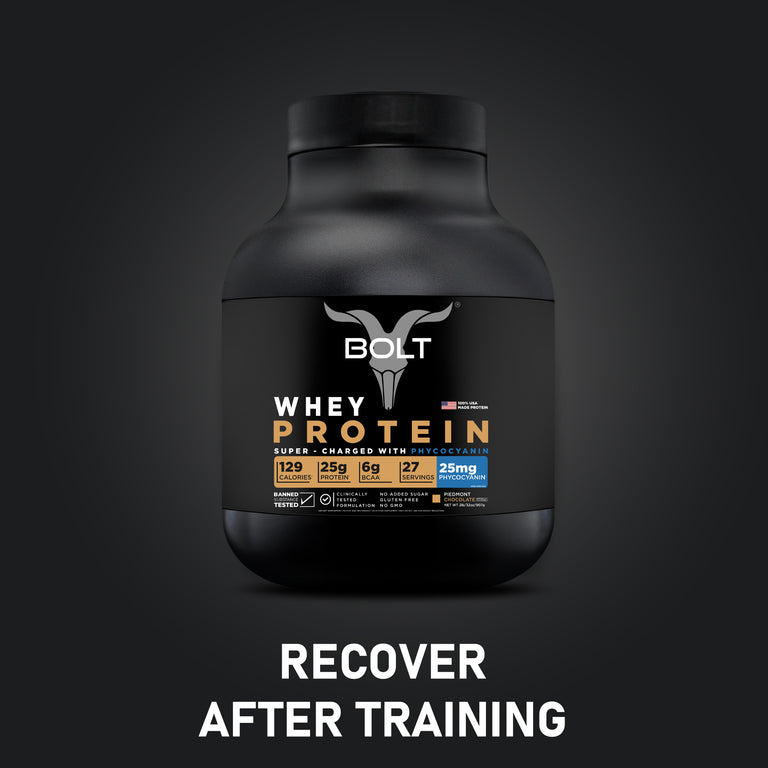
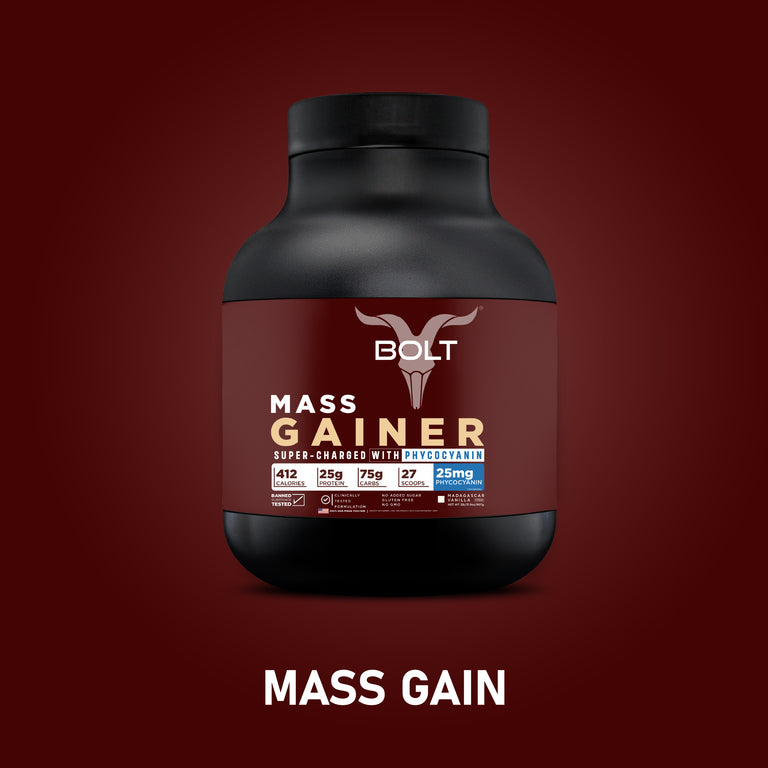





Whey Protein for Weight Gain: How It Helps Build Muscle Mass
by
For many people, gaining weight can be just as challenging as losing it. While weight loss often dominates the fitness conversation, there is a large group of individuals who struggle to increase their body weight in a healthy and sustainable way. The goal in such cases is not just to gain weight, but to build lean muscle mass rather than accumulating excess body fat.
This is where whey protein becomes a valuable addition to a structured nutrition plan. Often misunderstood as a shortcut to muscle gain, whey protein is actually a supportive tool that helps your body recover, rebuild, and grow stronger when paired with the right diet and training routine.
Understanding how whey protein works in the context of weight gain can help you use it more effectively and avoid unrealistic expectations.
Understanding Weight Gain: Muscle vs Fat
Weight gain is fundamentally driven by a calorie surplus, which means consuming more calories than your body burns daily. However, not all weight gain is the same. Without proper planning, excess calories can lead to fat accumulation instead of muscle growth.
Healthy weight gain focuses on increasing lean muscle mass. This requires a combination of resistance training, adequate calorie intake, and sufficient protein consumption. Protein plays a critical role in this process because it provides the amino acids necessary for muscle repair and growth.
It is important to recognize that protein alone does not cause weight gain. Instead, it supports the muscle-building process that occurs when your body is exposed to strength training and provided with enough calories.
What is Whey Protein and Why is it Effective?
Whey protein is a high-quality protein derived from milk during the cheese-making process. It is widely used in fitness nutrition due to its fast absorption and rich amino acid profile.
One of the key reasons whey protein is effective is its ability to deliver amino acids quickly to the muscles. After a workout, your muscles are in a state where they need immediate nutrients to repair the microscopic damage caused during training. Whey protein fulfills this requirement efficiently.
It is also particularly rich in leucine, an essential amino acid that plays a major role in triggering muscle protein synthesis. This makes whey protein especially useful in supporting muscle recovery and growth when consumed around workouts.
How Whey Protein Supports Weight Gain
Whey protein contributes to weight gain indirectly by supporting muscle growth and improving recovery. When you engage in resistance training, your muscles undergo stress and develop small tears. The body repairs these tears using amino acids, leading to stronger and larger muscle fibers over time.
By providing a convenient and concentrated source of protein, whey protein helps you meet your daily protein requirements more easily. This becomes especially important during a calorie surplus, where overall nutrient intake is higher.
Additionally, whey protein can be combined with calorie-dense foods such as milk, oats, peanut butter, and fruits to create high-calorie shakes. These shakes make it easier to increase total calorie intake without feeling excessively full, which is often a challenge for individuals trying to gain weight.
The Role of Calories and Training
While whey protein is helpful, it cannot replace the importance of total calorie intake and proper training. Without a calorie surplus, weight gain will not occur, regardless of how much protein you consume.
Similarly, without resistance training, the body has no reason to build additional muscle tissue. In such cases, excess calories may be stored as fat instead of contributing to muscle growth.
This highlights an important principle:
Calories determine whether you gain weight, while protein determines the quality of that weight gain.
When combined with progressive strength training, whey protein helps ensure that the weight gained is primarily lean muscle rather than fat.
When and How to Use Whey Protein for Weight Gain
Timing and consistency play an important role in maximizing the benefits of whey protein. One of the most effective times to consume whey protein is after a workout, when the body is most receptive to nutrient absorption.
It can also be used between meals to increase daily protein and calorie intake. For individuals who struggle to eat large meals, whey protein shakes provide a convenient way to add extra nutrition without discomfort.
However, it should not replace whole foods entirely. A balanced diet consisting of carbohydrates, healthy fats, and whole protein sources remains essential for overall health and performance.
Common Mistakes to Avoid
One of the most common misconceptions is that simply consuming more whey protein will lead to faster weight gain. In reality, excessive protein intake without adequate calories and training will not produce the desired results.
Another mistake is neglecting overall diet quality. Relying solely on supplements without focusing on whole foods can limit long-term progress and overall health.
Consistency is also key. Muscle gain is a gradual process that requires sustained effort over time. Whey protein can support this journey, but it cannot replace discipline and consistency in training and nutrition.
Whey Protein : Helps Build Muscle Mass
Whey protein can be a highly effective tool for individuals looking to gain weight in a healthy and structured way. It supports muscle recovery, helps meet daily protein needs, and makes it easier to increase calorie intake when required.
However, it is not a magic solution. Real progress comes from a combination of proper nutrition, calorie surplus, resistance training, and consistency over time.
When used correctly, whey protein becomes a reliable ally in building lean muscle mass and achieving sustainable weight gain. Instead of expecting instant results, focus on creating a balanced routine where protein supports your overall fitness strategy rather than trying to replace it.
