




Why Are Athletes Moving Away From Flavoured Creatine Supplements?
byOut of all the supplements that have been used by individuals involved in sports activities, there has been no supplement that has received as much scientific validation as creatine monohydrate. In the past, whenever one went to the shelves where these kinds of supplements were present, one could find many of these supplements having a "taste of fancy" and flavors that included fruit punch and blue raspberry.
Choosing supplements that lack any kind of flavor is not merely a trend, but it is the result of conscious thought and decision-making on the part of the individuals. When an individual is trying to count the number of grams of protein and amount of liquid intake in his/her workout routine, there is nothing that is really gained by choosing these extra ingredients.
The Case for Purity: Why Athletes Prefer Unflavored Creatine
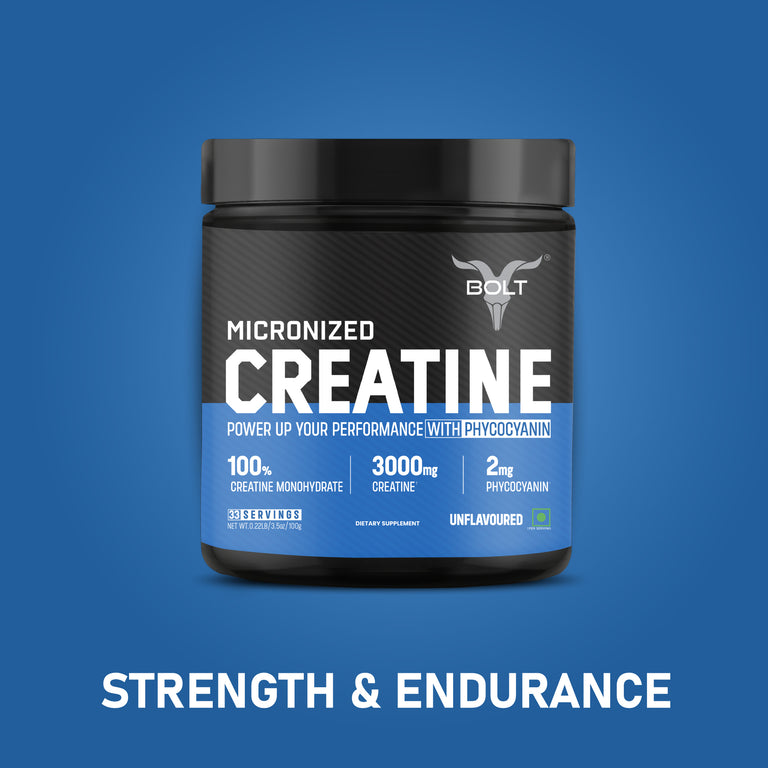
One of the biggest advantages of creatine supplements for athletes is their simplicity. By choosing unflavoured, micronized creatine monohydrate, you're opting for a clean, straightforward formula with no unnecessary additives
1. Flexibility in Stacking
Athletes rarely take creatine in isolation. It is often combined with protein shakes, intra-workout electrolytes, or morning greens powders as part of a daily nutrition.
2. Avoiding "Hidden" Additives
Many flavoured creatine supplements contain artificial sweeteners, colourings, and other additives to enhance taste and appearance. While these ingredients are generally considered safe, a growing number of athletes prefer a cleaner approach to supplementation.
3. Price and Value
Flavoured creatine supplements often carry a higher price tag, with a significant portion of the cost going toward flavor engineering and packaging. Unflavored is typically more cost-effective per serving, allowing you to invest your budget into higher-quality raw materials, such as micronized pharmaceutical-grade powder.
Looking for a high-quality, pure source of power? Explore our all-collection to compare serving sizes and formulations designed for your fitness goals.
Watch This Video For More Details 👇
Flavored vs. Unflavored: A Quick Comparison
Choosing the right format for your lifestyle helps maintain consistency.
|
Feature |
Unflavored Creatine |
Flavored Creatine |
|
Purity |
High (usually 100% pure) |
Moderate (includes sweeteners/fillers) |
|
Versatility |
Excellent (mixes with anything) |
Limited (tastes only like the flavor) |
|
Cost |
Generally more economical |
Often higher due to processing |
|
Ease of Use |
Best in shakes/smoothies |
Good as a standalone drink |
|
Additive Content |
Zero |
Variable (dyes, sweeteners) |
Common Mistakes to Avoid When Supplementing
High quality supplement will underperform if it is not used correctly. Here are the common risk athletes encounter:
- Insufficient Hydration: Creatine helps muscles absorb water by drawing it into their cells. If you aren't drinking enough water throughout the day, you may experience cramping or reduced effectiveness.
- Irregular Dosing: Creatine isn't a pre-workout stimulant; it works through muscle saturation. Skipping days because you "forgot" to mix a flavored drink is a common reason for stalled progress.
- Expecting Immediate Results: Unlike caffeine, creatine is a long-term play. It typically takes 2–4 weeks of consistent 3–5g daily dosing to reach full saturation.
- Poor Storage: Because creatine is hygroscopic, it absorbs moisture from the air. Keep your tub tightly sealed in a cool, dry place to prevent clumping and degradation.
Expert Tips for Optimal Results
- Prioritize Micronized: Look for "micronized" on the label. This process breaks the powder into smaller particles, significantly improving solubility and reducing the "gritty" texture often associated with lower-quality powders.
- Stick to 3–5 Grams: More is not always better. Research consistently shows that 3–5 grams per day is the optimal maintenance dose for almost all athletes.
- Timing Matters Less Than Frequency: While some suggest taking it post-workout, the most important factor is simply taking it every single day at a time you can remember.
- Pair with Carbohydrates: Some studies suggest that taking your creatine with a source of carbohydrates or protein can slightly improve uptake due to the insulin response, which helps shuttle the creatine into the muscle cells more efficiently.
Conclusion
The move away from flavored creatine is a move toward professional-grade discipline. By opting for a pure, micronised creatine, you eliminate unnecessary fillers and gain the flexibility to integrate your supplementation seamlessly into your existing nutrition plan.
Whether you are a weight gain seeker or a high-performance athlete, the goal remains the same: reliable, science-backed performance. Stick to the basics, maintain your consistency, and let the purity of your fuel do the heavy lifting.
Ready to streamline your supplement stack? Visit our full range of products to find the perfect addition to your training routine today.
Commonly Asked Questions
- Is unflavored creatine better than flavored?
It offers higher purity and better versatility, allowing it to be mixed into protein shakes or other beverages without changing the taste.
- How much creatine should an athlete take?
The standard, scientifically backed dose for athletes is 3–5 grams of creatine monohydrate daily.
- Why is micronized creatine preferred?
The micronization process creates smaller particles, which improves solubility in water and reduces the gritty texture found in some powders.
- Does creatine cause bloating?
While some water retention is normal (as creatine pulls water into muscle cells), proper hydration throughout the day usually mitigates this.
- What’s the optimal time to take creatine?
Consistency is more important than timing. Taking it at the same time every day—ideally with a meal—is the most effective strategy.
- Can I take creatine on rest days?
Yes. Maintaining saturation is key, so you should continue your daily 3–5g dose even on days you do not train.
- Do I need to cycle creatine?
Current research does not indicate that cycling is necessary for healthy individuals; daily, continuous use is both safe and effective.
