




Is Fermented Yeast Protein Safe? Complete Guide
byProtein supplements have changed significantly over the years. While whey and plant-based proteins remain popular choices, new protein sources are launching in a new era in the market. One of them is fermented yeast protein, which is produced through a fermentation process rather than traditional dairy or agricultural methods.
As more sports nutrition brands introduce products containing fermented yeast protein, many consumers naturally have questions about its nutritional value, safety, and long-term use. Is it a reliable source of protein? How is it made? And is it suitable for athletes and everyday fitness enthusiasts?
The answer depends on several factors, including the production process, quality standards, nutritional composition, and the research available on its use. Before adding any new protein source to your routine, it's important to know what it is and how it compares with more established options.
In this guide, we'll look at how fermented yeast protein is made, its nutritional benefits, the safety measures involved in its production, and what current research says about its use.
What You'll Learn in This Guide
· How Yeast protein is produced and why it’s considered safe
· The nutritional benefits and potential drawbacks of yeast protein
· Important buying considerations to ensure quality and safety
· Common mistakes to avoid when merging this protein into your diet
· Expert tips to maximize its benefits
· FAQs about fermented yeast protein
Understanding Fermented Yeast Protein
It is easy to hear the word "yeast" and think of bread or brewing. While the organism used is Saccharomyces cerevisiae the same yeast used in baking and beer-making for thousands of years the resulting protein powder is a highly purified, concentrated extract.
Through a process called precision fermentation, yeast cells are grown in controlled, sterile bioreactors using plant-based nutrients. Once the cells reach their peak protein density, the protein is carefully gather and separated. This creates a clean, allergen-free, and high-quality protein concentrate (typically 80% or more protein by weight).
Why Fermentation Matters
Fermentation improves the digestibility and nutrient density of yeast protein. It helps break down complex compounds, making amino acids more bioavailable compared to some traditional plant proteins.
👉 Explore related article: Fermented Yeast Protein v/s Whey Protein Differences & Benefits
Is Fermented Yeast Protein Safe?
Fermented yeast protein is generally recognized as safe (GRAS) by food safety authorities. The production involves strict hygiene and quality control measures to avoid contamination. It is free from common allergens such as dairy, soy, and gluten, making it a hypoallergenic option for many people.
Scientific Perspective on Safety
One of the most common questions consumers ask is whether fermented yeast protein is safe for regular consumption.
Current evidence indicates that fermented yeast protein produced by reputable manufacturers is generally recognized as safe when used in food and dietary supplement products.
Several factors contribute to its safety profile:
- Controlled manufacturing environments
- Strict quality assurance protocols
- Food-grade fermentation processes
- Extensive microbial testing
- Regulatory compliance requirements
Regulatory Considerations
Safety depends heavily on the quality standards followed by manufacturers.
Consumers should look for products that:
- Follow Good Manufacturing Practices (GMP)
- Use food-grade ingredients
- Undergo quality testing
- Provide transparent labeling
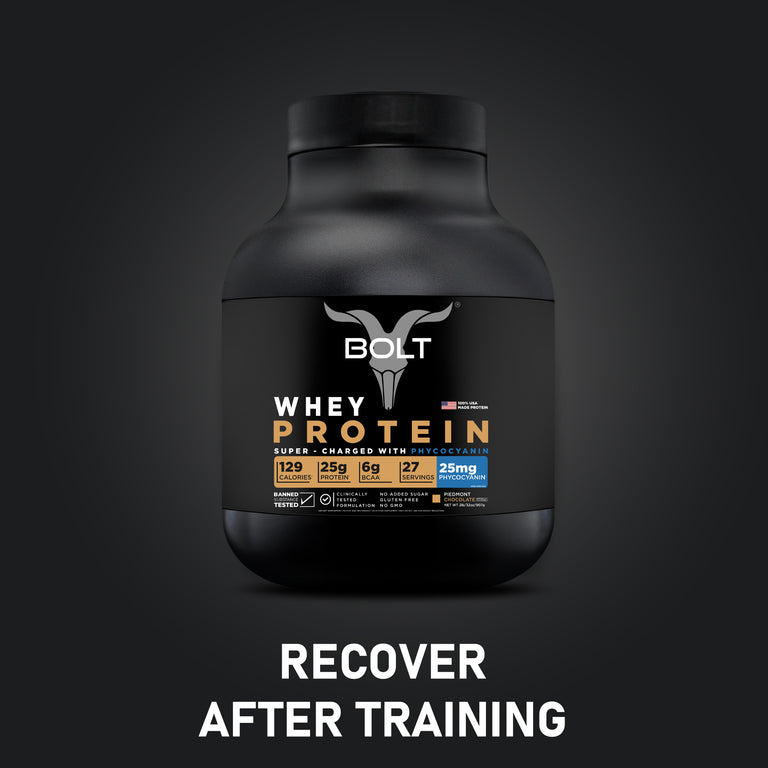
Choosing reputable brands helps ensure product quality and safety. Discover Bolt Fermented Yeast Protein
The fermentation process itself is not new. Fermentation has been used safely for centuries in foods such as yogurt, bread, cheese, and certain beverages.
However, individuals with yeast allergies or sensitivities should be cautious. It is advisable to consult a healthcare professional if you have a history of allergic reactions.
👇 Watch The Video Below to Understand Fermented Yeast Protein in Detail.
Nutritional Benefits of Fermented Yeast Protein
Fermented yeast protein offers several nutritional advantages, especially for those focused on fitness and muscle development:
Fermented yeast protein is not just "safe"—it is nutritionally superior in many respects:
· Complete Amino Acid Profile
· High Digestibility
· Gut-Friendly
· Micronutrient Benefits
Why Athletes and Eco-Conscious Consumers Choose It
Fermented yeast protein addresses several common pain points associated with traditional supplements:
| Feature | Whey Protein | Plant Proteins | Fermented Yeast Protein |
|---|---|---|---|
| Digestion | Can cause bloating (lactose) | Can cause gas/ bloating |
Highly digestible |
| Sustaina bility |
High land/water use | Varies by crop | Very low impact |
| Allergens | Dairy (common allergen) | Varies (soy, etc.) | Allergen-free |
| Muscle Synthesis | Rapid absorption |
Variable | Optimal/ Balanced |
Potential Downsides and Safety Considerations
While fermented yeast protein is safe for most, some considerations include:
· Allergic Reactions: People allergic to yeast or fungi may experience symptoms like itching, swelling, or digestive upset.
· Digestive Sensitivity: Some users may experience mild bloating or gas when first introducing fermented yeast protein, especially if consumed in large amounts.
· Not a Complete Diet Substitute: It should complement a balanced diet, not replace whole foods or other protein sources entirely.
· Product Purity: Lower-quality products might contain additives or contaminants; always choose reputable brands.
How to Choose Safe and Effective Fermented Yeast Protein

When selecting a fermented yeast protein supplement, keep these points in mind:
- Third-Party Testing: Verify if the product has been tested for purity, heavy metals, and contaminants.
- Ingredient Transparency: Look for clear labelling without unnecessary fillers or artificial additives.
- Protein Content and Amino Acid Profile: Ensure the product provides a full spectrum of essential amino acids.
- Manufacturing Standards: Prefer supplements manufactured in GMP-certified facilities.
- User Reviews and Brand Reputation: Research user feedback and choose trusted brands with a history of quality.
Looking for a high-quality plant-based protein? Explore our Bolt Nutritions collection to find carefully formulated supplements tailored to your fitness goals.
COMMON MYTHS VS. REALITY
Myth: "Yeast is not considered a true source of protein."
Reality: It is a concentrated, high-protein extract. The yeast organism acts as the "factory" that produces the protein, which is then purified into a concentrated form.
Myth: "It causes digestive distress."
Reality: Quite the opposite. Most users find it easier to digest than whey or plant-based isolates, as the fermentation process "pre-digests" the protein, making it easier for the body to absorb.
Myth: "It’s an untested, lab-created product."
Reality: Fermentation is an ancient technology. Modern applications simply apply these natural biological processes in a more controlled, efficient way.
Expert Tips for Using Fermented Yeast Protein
· To determine tolerance, start with a small serving size.
· Combine with complementary protein sources like pea or rice protein for enhanced nutrition.
· Use it post-workout to support muscle recovery.
· Maintain hydration to assist digestion.
· Store the protein powder in a cool, dry place to preserve freshness.
Frequently Asked Questions (FAQs)
1. Is fermented yeast protein the same as nutritional yeast or brewer’s yeast?
While they are related all originate from the Saccharomyces cerevisiae organism they serve different purposes.
· Nutritional/Brewer’s Yeast: Often sold as flakes or powder to be used as a seasoning or dietary additive; it is generally a whole-cell product.
· Fermented Yeast Protein: This is a highly purified, concentrated protein extract produced via precision fermentation. It is specifically processed to isolate the protein, resulting in a cleaner, more neutral-tasting powder designed for supplementation.
2. Is it a "complete" protein?
Yes. Fermented yeast protein contains all nine essential amino acids that your body cannot produce on its own. It is widely considered a complete protein, making it an excellent alternative for vegans or those avoiding animal-based proteins like whey.
3. Why is it considered "digestive-friendly"?
Many users struggle with bloating from whey (due to lactose) or certain plant proteins (due to anti-nutritional factors). The fermentation process essentially "pre-digests" the protein, breaking down complex structures into smaller, more bioavailable fragments. This makes it gentler on the digestive tract for many people.
4. How does its sustainability compare to other sources?
Fermented yeast protein is highly sustainable. Unlike dairy (which requires livestock) or crop-based proteins (which require vast amounts of land, water, and specific weather conditions), yeast can be grown in compact, climate-controlled bioreactors. This method uses significantly fewer natural resources and is independent of seasonal harvest cycles.
5. Are there any side effects?
For the vast majority of healthy adults, it is safe for daily consumption. But just like with any new dietary supplement:
Start slowly: If you have a sensitive stomach, introduce it gradually to ensure your body adjusts.
· Allergies: While rare, individuals with a specific yeast allergy should avoid it.
· Medical Conditions: If you have underlying health issues (such as inflammatory bowel conditions or sensitivity to tyramine) or are taking specific medications (like certain antidepressants), consult a healthcare provider before adding new supplements to your routine.
6. Can I use it in cooking?
Yes. Because it has a relatively neutral flavor profile compared to pea or soy protein, it is very versatile. It blends well into smoothies, shakes, pancake batters, and baked goods, allowing you to boost your protein intake without significantly altering the taste of your food.
Conclusion
Fermented yeast protein represents a significant leap forward in sports nutrition. By blending ancient, trusted fermentation science with modern precision manufacturing, this protein source offers an exceptional balance of nutritional quality, digestibility, and environmental sustainability. It is more than just a trend; it is a reliable, allergen-friendly, and scientifically backed tool to help you reach your performance and wellness goals.
Whether you are looking to move away from dairy, seeking a cleaner alternative to plant-based powders, or simply curious about the next generation of supplements, fermented yeast protein deserves a spot in your shaker bottle.
Ready to Upgrade Your Routine?
Don't just believe what we say; see the difference for yourself. Whether you’re fuelling a post-workout recovery or looking for a clean, sustainable protein boost to power your day, click the link below to explore high-quality fermented yeast protein options and discover the ideal fit for your fitness quest.
🛒 Shop Now & Fuel Your Performance, Bolt's Fermented yeast protein
Are you ready to make the switch, or would you like to see a breakdown of how to integrate this protein into your specific daily meal plan?
