




What Makes a Good Creatine HMB Supplement?
byIn the world of sports nutrition, few ingredients have earned as much scientific attention as creatine. It has become a staple supplement for athletes, gym lovers, and fitness enthusiasts looking to improve strength, power, and training performance. HMB, however, doesn't receive the same level of Creatine monohydrate: what it is and how it functions attention despite being backed by research for its role in muscle recovery and preservation.
By combine these two components, a thorough strategy for performance support is achieved. While creatine helps your muscles produce energy during demanding workouts, HMB helps reduce muscle breakdown and supports recovery between training sessions.
Whether your goal is building strength, improving workout performance, maintaining lean muscle mass, or recovering more efficiently, Bolt Creatine + HMB provides a science-backed combination designed to support your fitness journey.
What You'll Learn in This Article
In this Guide, We'll explore:
- Creatine monohydrate: what it is and how it functions
- What HMB is and why it matters for recovery
- How creatine and HMB complement each other
- The benefits of combining these ingredients
- Which athletes and fitness enthusiasts may benefit most
- How to use Bolt Creatine + HMB effectively
- Frequently asked questions about supplementation
- Key takeaways for maximizing results
Understanding Creatine Monohydrate and Its Benefits
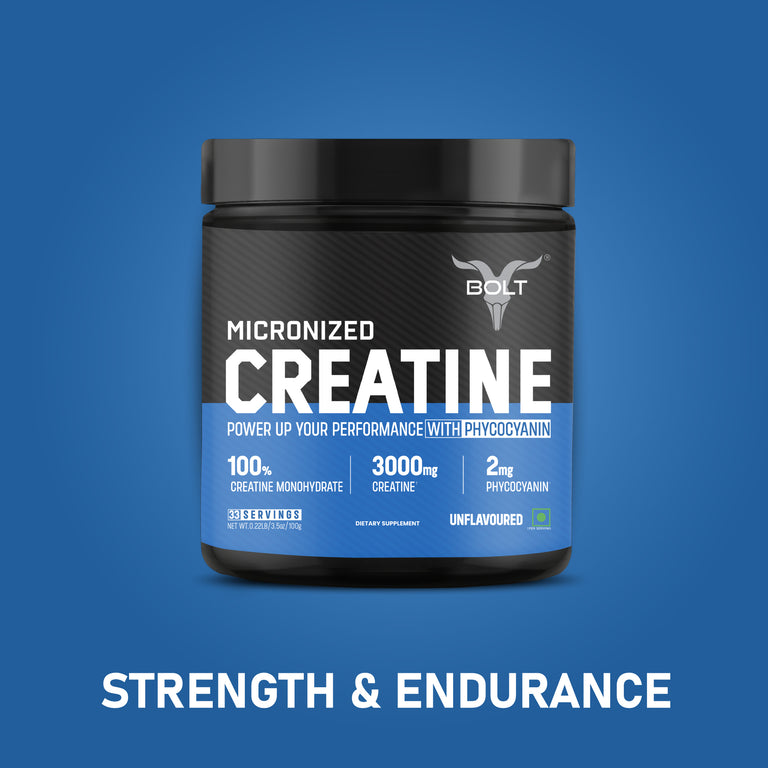
Creatine monohydrate is a naturally occurring compound produced by the body and stored primarily in muscle tissue. You can also find it naturally in foods like red meat and fish. Its primary role is supporting the production of adenosine triphosphate (ATP), the body's immediate energy source for short bursts of intense activity.
During exercises such as weightlifting, sprinting, jumping, or high-intensity interval training, ATP is rapidly depleted. Creatine helps replenish these energy stores more efficiently, allowing muscles to continue performing at a high level.
Key Benefits of Creatine Monohydrate
Research has consistently shown that creatine supplementation may help support:
- Increased strength and power output
- Enhanced workout performance
- Improved recovery between training sessions
- Greater training volume and exercise capacity
- Lean muscle growth is optimised when paired with resistance training.
- Improved cellular hydration within muscle tissue
One reason creatine remains one of the most trusted supplements in sports nutrition is the extensive amount of research supporting its effectiveness and safety.
👉 Explore More:
Creatine Monohydrate Benefits: What Science Says
What is HMB and Why Does It Matter?
HMB, short for Beta-Hydroxy Beta-Methylbutyrate, is a compound naturally produced when the body metabolizes leucine, one of the essential branched-chain amino acids.
While leucine is widely recognized for supporting muscle protein synthesis, HMB plays a different role. It helps support muscle integrity and recovery by reducing the rate of muscle protein breakdown that can occur during intense training, prolonged exercise, or calorie-restricted phases.
Benefits of HMB Supplementation
Scientific studies suggest that HMB may help:
- Support muscle recovery following exercise
- Reduce exercise-induced muscle damage
- Maintain lean muscle mass during demanding training periods
- Improve recovery between workouts
- Support consistent training performance
- Enhance adaptation to resistance training
Due to the limited endogenous production of HMB in the human body, supplementation is necessary to attain concentrations that are otherwise challenging to achieve through dietary intake alone.
Why Creatine and HMB Work Better Together

While creatine and HMB offer distinct advantages, the benefits of each supplement work together seamlessly.
Creatine focuses primarily on energy production and performance enhancement, while HMB focuses on recovery and muscle preservation. Together, they create a more balanced approach to supporting athletic performance.
Think of creatine as helping you maximize effort during training sessions, while HMB helps your body recover and adapt afterward.
The Synergy Between Creatine and HMB
When combined, these ingredients may help:
- Support higher training intensity
- Improve overall workout quality
- Promote faster recovery between sessions
- Reduce the impact of muscle breakdown
- Support lean muscle maintenance
- Encourage long-term training consistency
For individuals who train multiple times per week, this combination can provide support both during and after exercise.
Who Can Benefit from Bolt Creatine + HMB?
One of the biggest advantages of combining creatine and HMB is its versatility. This combination can support a wide range of training goals and athletic activities.
1. Gym Beginners
Individuals new to resistance training often experience significant muscle soreness and recovery demands. Creatine and HMB can support the body's adaptation process during the early stages of training.
2. Strength Athletes
Powerlifters, bodybuilders, and strength-focused athletes may benefit from improved training capacity and recovery support.
3. Endurance Athletes
Long-distance runners, cyclists, and endurance competitors place substantial stress on their muscles through high-volume training. Supporting both performance and recovery becomes increasingly important.
4. Functional Fitness Enthusiasts
Those participating in CrossFit-style workouts, circuit training, or high-intensity fitness programs often require support for both performance and recovery.
5. Active Adults
Even recreational gym-goers can benefit from maintaining strength, muscle mass, and recovery as part of an active lifestyle.
Looking for a simple way to get Creatine and HMB in one formula? 👇
Explore Bolt Creatine + HMB to compare serving sizes, ingredient quality, and formulations designed to support strength, recovery, and long-term fitness goals.
How to Take Creatine and HMB

To fully benefit from creatine and HMB, it’s important to make them a regular part of your daily routine. The most important factor for results is consistency, not timing.
Here’s the best way to take them:
-
Creatine: Take 5 grams daily. There’s no need to load or cycle. Taking it with a meal, snack, and plenty of water can help improve absorption and reduce any stomach discomfort, but sticking to a daily routine is what truly counts.
-
HMB: Take 3 grams per day, divided into two doses morning and evening to maintain steady levels, since HMB is quickly metabolized by the body.
Using a combined supplement like Bolt’s Creatine + HMB simplifies supplementation by providing both ingredients in clinically effective doses without unnecessary fillers.
Key Takeaways
If you’re considering creatine and HMB, the short answer is yes, they complement each other well. One enhances your workout performance, while the other protects your muscle progress.
By using both supplements regularly, you can:
- Increase your power, strength, and training capacity
- Speed up recovery and reduce muscle soreness
- Preserve lean muscle during intense training or breaks
- Maintain consistent training for ongoing improvement
Whether your focus is endurance, strength, or somewhere in between, this combination is a straightforward and effective part of any supplement regimen. Bolt’s Creatine + HMB provides a trusted, science-based formula to support your daily routine.
If you found this information useful and want to learn more, visit Bolt’s Blog or subscribe to our newsletter for the latest updates and insights to help boost your performance.
FAQs
1. Will creatine cause weight gain?
Creatine can lead to a slight and temporary weight increase because it attracts water into muscle cells. This increase is not fat, and most athletes do not experience any negative impact on their performance. In fact, better hydration in muscles can help improve your capacity for high-intensity efforts, especially during the latter part of workouts or competitions.
2. Should I take creatine and HMB every day, including rest days?
Yes, it’s best to take both supplements every day. Consistent daily intake keeps your muscles saturated with creatine and maintains steady levels of HMB. This approach supports recovery and helps retain muscle mass, even during periods of rest or lighter training.
3. Are creatine and HMB safe to use long-term?
Research shows that both creatine and HMB are safe for daily, long-term use by healthy individuals. They are not linked to kidney issues, hormonal imbalances, or banned substances. Moreover, creatine is being investigated for potential benefits beyond exercise, such as improving brain function and preventing injuries.
4. Are these supplements suitable for women?
Definitely. Women respond equally well to creatine and HMB. Creatine can help female athletes increase strength, power, and recovery, and may also support bone health and cognitive function. HMB helps reduce muscle soreness and maintain lean muscle mass, which can be particularly useful during intense training phases or menstrual cycles.
5. Is it necessary to load or cycle these supplements?
No, loading or cycling is not required. While a creatine loading phase can speed up muscle saturation, taking 5 grams daily consistently is equally effective over time. HMB should be taken regularly at about 3 grams per day. Cycling off is generally unnecessary unless recommended by a healthcare professional. For more information, you can read our article on creatine use for endurance athletes.
